

Hip Dysplasia in Dogs & Puppies: Tests & Treatment Singapore


As pet owners ourselves, we understand the joy that comes from long walks and playful moments with our dogs and cats. However, as our pets age, their hip joints often suffer from the wear and tear of an active life. To help them stay active and pain-free, we offer hip replacement surgery, effectively addressing hip dysplasia—the leading cause of lameness in dogs.
What Is Hip Dysplasia?
Hip dysplasia is a condition in which the ball and socket of a dog’s hip joint do not fit together securely. The resulting looseness allows abnormal movement that can damage and erode the joint’s protective cartilage over time, leading to inflammation and arthritis.
The condition can first develop while a puppy is growing, although signs may first become noticeable in adulthood as joint damage progresses. It may also affect small cats.
What Causes Hip Dysplasia in Dogs?
Hip dysplasia often begins when a puppy’s hip joints first develop. Some factors influence how the hip joint develops in the first place, while others affect how much strain and damage the joint experiences over time.
Inherited Joint Structure
There is a major genetic component to hip dysplasia. Inherited traits can affect how securely the ball of the hip fits within its socket. Golden Retrievers, Labradors and German Shepherds are among the breeds more susceptible to hip dysplasia, although it can affect any dog. A puppy may inherit this risk without showing obvious signs of discomfort.
Rapid Growth and Body Weight
Rapid growth can put greater demands on developing hips. Excess body weight adds to the load they must bear, which may worsen wear in a joint that is already unstable. Excess weight can also continue to aggravate pain in an adult dog whose hips have already developed arthritis.
Stress on Developing Joints
Repeated strenuous activity may add strain to a puppy’s vulnerable hips, although normal play does not cause hip dysplasia. The effects of an unstable joint can also build up over years, which is why some dogs first show noticeable stiffness or lameness when they are older.
What Are the Signs & Symptoms of Hip Dysplasia?
Depending on the severity of the disease, your pet may display various symptoms. Look out for:
- Limping or favouring a hind leg, sometimes worsening over time
- Stiffness or reduced movement in the hind legs, especially after rest
- Difficulty getting up, climbing stairs, jumping or running
- Swaying through the hips or moving both hind legs together when running
- Loss of muscle mass in the thighs
- Signs of pain when the hip area is touched
These signs can have other causes, so a structured veterinary assessment is needed to find out what is affecting your dog.
Is Your Dog Experiencing Difficulty Moving?
Hip dysplasia can become more pronounced as joint damage progresses. Getting help when you first notice a change gives your veterinarian a chance to assess your dog’s pain and discuss early treatment.
Schedule an appointmentHow Is Hip Dysplasia Assessed and Diagnosed in Dogs?
In order to assess and diagnose hip dysplasia, your veterinarian will typically ask about changes in your dog’s movement and activity, then examine its gait and hips. X-rays may be recommended to assess how the hip joints fit together and check for signs of arthritis.
For puppies and young dogs, Advanced Vetcare may use PennHIP, a specialised set of hip X-rays that measures how loosely the ball of each joint sits within its socket. Dogs can be assessed from 16 weeks of age, even if they have no symptoms. The results help estimate their risk of developing arthritis and guide discussions about monitoring or treatment.
What Treatment Options Are Available for Dogs With Hip Dysplasia?
The right treatment method for hip dysplasia depends on your dog’s age, symptoms and the condition of its hips. After an assessment and diagnosis, your veterinarian will assess whether continued monitoring, conservative management or a surgical procedure is appropriate.
Conservative Management
Dogs with mild symptoms may be managed through weight control, suitable exercise, physiotherapy and medication for pain and inflammation. These measures do not change the shape of the hip joint, but they can help reduce discomfort and support day-to-day movement.
Juvenile Pubic Symphysiodesis (JPS)
For selected puppies under 20 weeks old, juvenile pubic symphysiodesis (JPS) may be considered before the pelvis finishes growing. The procedure changes how the pelvis grows so the hip socket provides better coverage of the ball joint. Its narrow age window makes early assessment important.
Total Hip Replacement
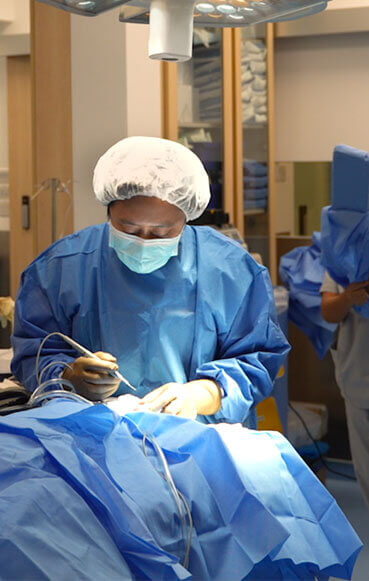
Total hip replacement is a surgical procedure where the arthritic ball and socket hip joint is replaced with a prosthetic one. This is the only treatment that fully restores the range of motion and mobility while preventing hip dysplasia from recurring. This is a complex surgery that requires the vet to undergo special training.
Can Hip Dysplasia in Dogs Be Prevented?
Hip dysplasia itself cannot always be prevented, as it has a major genetic component. However, pet owners can take distinct measures to reduce avoidable strain on a dog’s hips or help identify problems while treatment options are still available.
For puppies, this includes feeding them a diet appropriate for their size and growth stage, while avoiding strenuous activity that places additional stress on vulnerable joints. Owners of susceptible breeds can also discuss early hip assessment with their veterinarian, even if their puppy appears to move normally.
For adult dogs, maintaining a healthy weight and choosing activity that does not aggravate discomfort may help protect mobility. These steps cannot reverse a poorly formed joint, but they can form part of long-term care and stabilisation.
When to See a Vet for Hip Dysplasia in Singapore
Arrange a veterinary assessment if a change in your dog’s movement persists, keeps returning or begins to affect everyday activities. You should also seek advice if your dog has already been diagnosed with hip dysplasia and its current management no longer seems to keep it comfortable.
A visit can be worthwhile before symptoms appear if your puppy belongs to a susceptible breed or has a family history of hip problems. Early assessment matters particularly when discussing time-sensitive options such as JPS, which is considered only for selected young puppies. If your dog suddenly cannot bear weight or appears to be in severe pain, seek prompt veterinary attention.
Discuss Your Dog’s Hip Health With Advanced Vetcare
When hip pain makes walks, play or even getting up difficult, a hip replacement may offer a way forward. Consulting a veterinarian can help you find treatment that gives your pet the best chance of moving comfortably again.
At Advanced VetCare, Dr Nicholas Woo performs hip replacement surgery for both dogs and cats, including small and large breeds. He assesses each pet’s joints, pain and overall health before recommending surgery, so the decision reflects what that individual animal needs. Together, we aim to help your pet regain the activities they enjoy and make the most of their healthy years.
Book an appointment to discuss your pet’s hip health.
Frequently Asked Questions About Hip Dysplasia in Dogs
Does hip dysplasia always lead to arthritis?


Is an older dog too old for hip replacement?
What is recovery like after a dog’s hip replacement?
Meet Our Hip Dysplasia Doctor in Singapore
Dr Nicholas Woo is the founder of Advanced Vetcare and a consultant surgeon with a clinical interest in orthopaedics and total hip replacement. After graduating from the University of Queensland, he completed two year-long internships at specialist veterinary centres in Australia. He later earned Membership of the Australian and New Zealand College of Veterinary Scientists in small animal surgery by examination.
Dr Woo has a special clinical interest in orthopaedic surgery and total hip replacement in animals. Through his experience, he brings skill and compassion to complex joint surgery, treating each pet with care and keeping owners informed and supported throughout treatment and recovery.

RestoreMobility

Long-termPain Relief

PreventRecurrence