





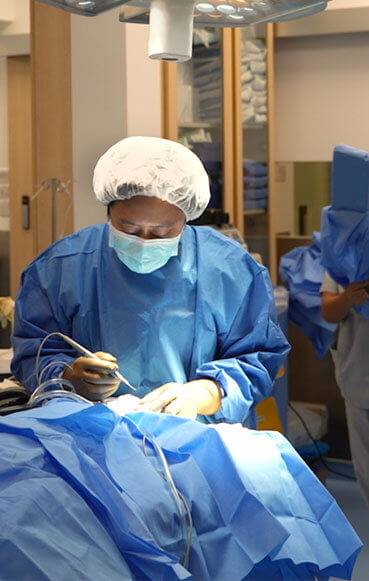


BVSc (Hons), MANZCVS (Small Animal Surgery)
As dogs grow older, their healthcare needs often become more complex. Subtle changes such as reduced mobility, appetite loss or unusual behaviour can sometimes be caused by underlying conditions that are difficult to detect. In these situations, CT scans are an advanced imaging tool that may be recommended to provide a clearer analysis.
However, many dog owners feel understandably hesitant when they hear that their senior pet may need a CT scan. Questions often arise about whether the procedure is safe for an older dog, especially when it involves sedation or anaesthesia. Others may worry about the necessity of the scan or whether the potential findings would meaningfully change treatment decisions at this stage of their pet’s life.
With these concerns in mind, it becomes important to understand when CT scans are truly appropriate for older dogs, what risks may be involved and how veterinarians determine the best course of action for each individual case.
How Does a CT Scan for Dogs Work?
A CT scan, or computed tomography scan, is an advanced imaging technique that allows veterinarians to see detailed, cross-sectional images of your dog’s body.
Unlike standard X-rays, which produce a single flat image, a CT scan takes multiple images from different angles and combines them to create highly detailed “slices” of internal structures such as bones, organs and blood vessels.
During this scan, your dog will be placed on a motorised table that slowly moves into the machine. In order to ensure accurate results, dogs need to remain completely still throughout the process. For this reason, most CT scans are performed under sedation or general anaesthesia.
This process is quick, and after the scan is completed, the images are reviewed by the veterinarian or a specialist, who uses the findings to better understand your dog’s condition and guide the next steps in treatment.
When Are CT Scans Recommended for Older Dogs?
CT scans are typically needed when standard imaging is not expected to provide enough information. In older dogs, the need for a CT scan often arises when symptoms are vague, progressive or difficult to localise. This is particularly relevant if your dog has:
- Persistent unexplained pain
- Constant nasal discharge, sneezing or suspected nasal tumours
- Neurological signs such as seizures, head tilt or difficulty walking
One of the most common reasons for a CT scan in senior dogs is to evaluate suspected tumours. As dogs age, the likelihood of growths affecting areas such as the brain, chest or abdomen increases, and CT imaging allows veterinarians to assess the size, location and extent of these masses more accurately. It is also frequently used for investigating nasal conditions, spinal issues, internal injuries or complex orthopaedic problems that may not be clearly visible on conventional imaging.
Before recommending a CT scan for an older dog, veterinarians take a careful and individualised approach, weighing both the potential benefits and risks. A key consideration is your dog’s overall health status. Pre-existing conditions such as heart disease, kidney issues or respiratory problems may increase the risks associated with sedation or anaesthesia.
The urgency and purpose of the scan also play an important role. Vets will assess whether the results are likely to significantly influence treatment decisions. If a CT scan is unlikely to change the management plan or improve your dog’s quality of life, it may not be recommended.
How Do Veterinarians Make CT Scans Safer for Senior Dogs?
It is natural for owners to feel concerned when a CT scan is recommended for their elderly dog. One of the most common worries is whether sedation or anaesthesia will affect their dog’s heart, or whether the risks of a CT scan outweigh the benefits.
Fortunately, there are several factors that help increase the safety of such procedures.
Precautions and Care
In most cases, CT scans are considered safe for senior dogs when proper precautions are taken. Veterinary teams do not approach older patients in the same way as younger ones. Instead, they carry out a thorough pre-anaesthetic assessment, which may include blood tests, heart evaluation and a review of any existing medical conditions. This helps determine whether your dog is fit for sedation or anaesthesia and allows the team to tailor the protocol accordingly.
Dosage Adjustment
Modern anaesthesia is also much safer than many owners expect. Drugs can be adjusted based on your dog’s age, weight and health status, and vital signs such as heart rate, oxygen levels and blood pressure are closely monitored throughout the procedure. In addition, CT scans themselves are relatively quick, which helps minimise the amount of time your dog needs to be under sedation.
Risk Consideration
Older dogs may have underlying conditions such as heart disease, kidney issues or respiratory problems that can increase the likelihood of complications. In some cases, dogs may also have congenital or previously undiagnosed conditions that make anaesthesia more dangerous. This is why careful screening and individual risk assessment are so important before proceeding.
In certain cases, CT scans may be deemed unsuitable for dogs due to pre-existing conditions being detected, or if a veterinarian determines that a dog will not be able to handle anaesthesia without severe side effects.
What Are the Alternatives to CT Scans for Older Dogs?
Depending on your dog’s condition, veterinarians may recommend other diagnostic tools that are less intensive or more suitable for certain situations. These are typically recommended to avoid the need for sedation.
One common alternative is X-rays, which are often used as an initial screening tool. They are useful for identifying fractures, detecting obvious masses or assessing the lungs and abdomen. However, X-rays produce two-dimensional images and may not reveal more complex or subtle conditions.
Ultrasound is another widely used option, particularly for examining soft tissues and organs such as the liver, kidneys and bladder. It is non-invasive and typically does not require general anaesthesia, making it a good choice for older dogs.
For certain conditions, vets may also rely on a combination of tests, including blood work, urine analysis or minimally invasive procedures such as fine-needle aspiration or biopsies. These can sometimes provide enough diagnostic information without the need for advanced imaging.
Securing Timely Assistance for Your Ageing Dog’s Health
A CT scan is rarely recommended in isolation. Instead, it is part of a broader discussion between you and your veterinarian to determine the most appropriate approach for your dog’s specific situation. For senior pets, especially those with multiple health concerns, the focus is often on balancing diagnostic value with minimising stress and discomfort.
If your senior dog is showing persistent or unexplained symptoms, seeking a timely veterinary evaluation can help determine whether advanced imaging is appropriate.
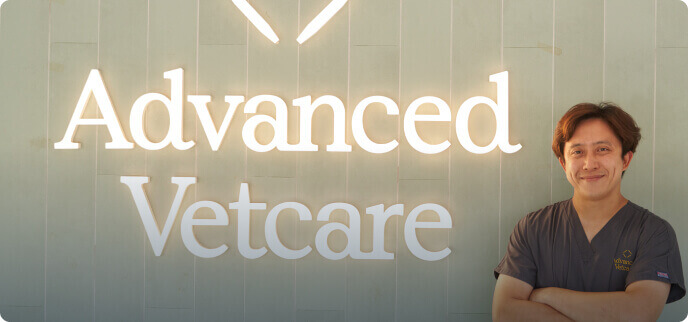
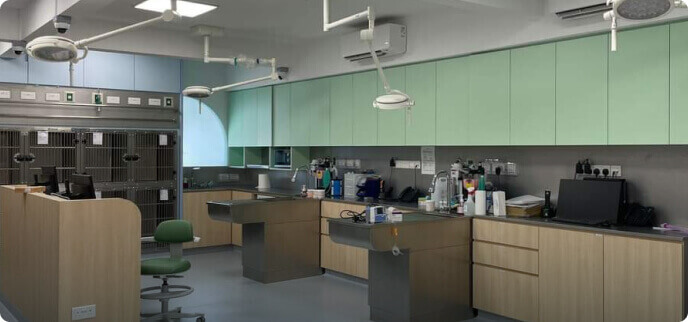
At Advanced Vetcare, each case is approached with careful consideration to ensure your dog receives personalised and appropriate care. We provide access to modern diagnostic facilities, including an in-house CT scan machine, allowing for efficient evaluation in a controlled environment. Dr Nicholas Woo, our consultant vet and surgeon, provides thoughtful assessment and clear guidance, helping pet owners make confident decisions for their dogs.
If you are concerned about your dog’s health or have been advised to consider a scan, contact us today to arrange a consultation and discuss the most suitable next steps.
Meet Our Veterinary Specialist in Singapore
Dr Nicholas WooConsultant Vet and SurgeonBVSc (Hons) MANZCVS (Small Animal Surgery)
Dr Nicholas Woo is a consultant vet and surgeon with a strong passion for animal care. Dr Woo has undergone specialised training in small animal surgery and oncology under renowned veterinary specialists, equipping him with experience in managing complex surgical and medical cases. His clinical interests include advanced soft tissue surgery, animal orthopaedics, oncological care, hip replacement, spinal surgery and critical care management.
In 2017, Dr Woo founded Advanced Vetcare with the aim of providing accessible, high-level veterinary care supported by modern medical facilities and round-the-clock emergency services.
Dr Woo has also presented at numerous veterinary meetings, where he shares his knowledge and experience with fellow professionals while contributing to ongoing developments in veterinary medicine.
Advanced VetCare Veterinary Centre (Bedok) - 24Hrs Vet Clinic
26 Jln Pari Burong, Picardy Gardens, Singapore 488692 (Shophouse along Upper Changi Road)


Operating Hours: 24 Hours Daily
Advanced VetCare Veterinary Centre (Balestier)
564A Balestier Road, Singapore 329880
Opening Hours: 9am - 9pm Daily Closed on Tuesday & Public Holidays
Advanced Vetcare Veterinary Centre (Outram)
283 Outram Road, Singapore 169068 (Shophouse near Tiong Bahru)
Opening Hours: 9am - 9pm Daily Closed on Monday & Public Holidays