









Why Is My Pet Losing Weight Despite Eating Normally?
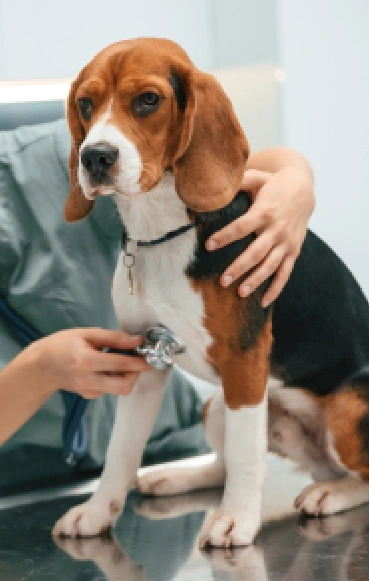
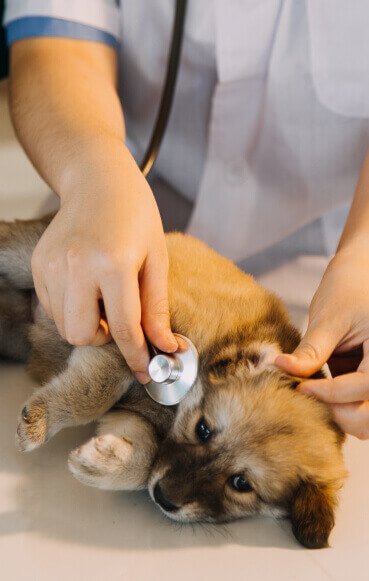
Dogs and cats naturally experience small changes in weight throughout their lives. However, these changes can be particularly concerning if there is no identifiable cause. Unexplained weight loss may be an early sign of an underlying medical condition that is increasing their body’s energy demands or impacting how they absorb nutrients properly. Even if your pet appears to be eating normally, ongoing weight loss is not something to dismiss.
What Do Veterinarians Check Before Surgery in Dogs and Cats?
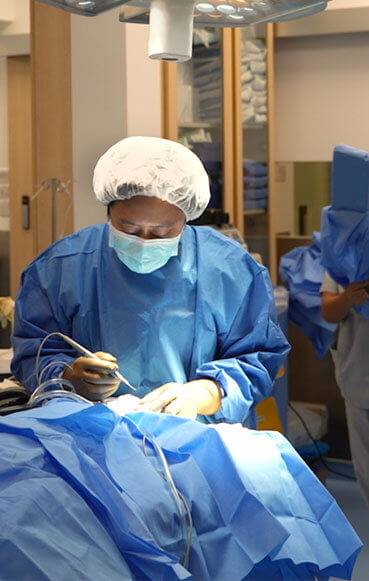
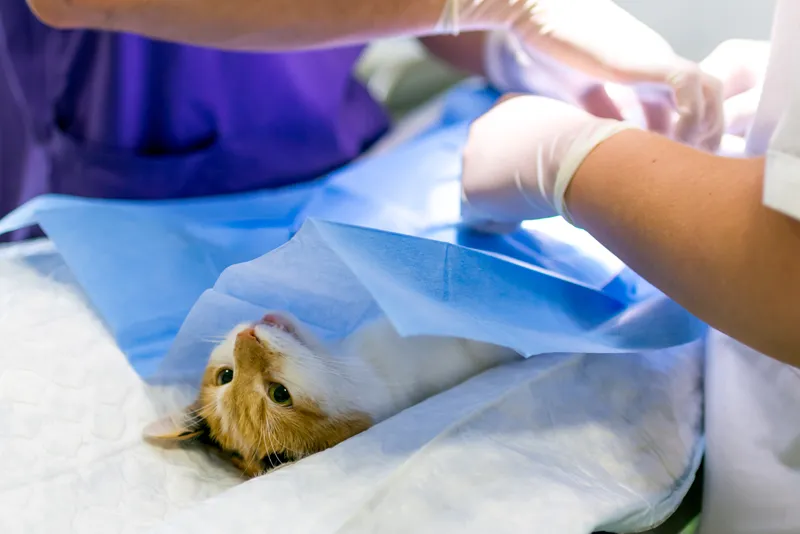
Learning that your dog or cat needs surgery can be stressful. It is natural to wonder how safe the surgery will be and what precautions will be taken to protect your pet. While no surgery is entirely without risk, your veterinary surgeon will assess factors that could affect the anaesthesia, procedure and recovery before developing a surgical plan around your pet’s individual health needs.
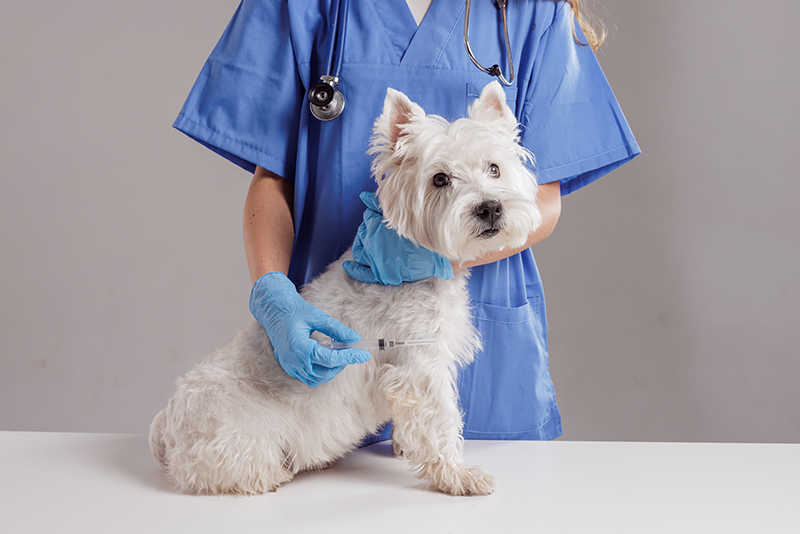
Why Do Vet Costs in Singapore Vary? A Guide to Affordable Veterinary Care
Budget is an important consideration for many pet owners, but it should not prevent you from understanding your options. Learn why veterinary costs vary and how to make informed decisions about your pet's care.
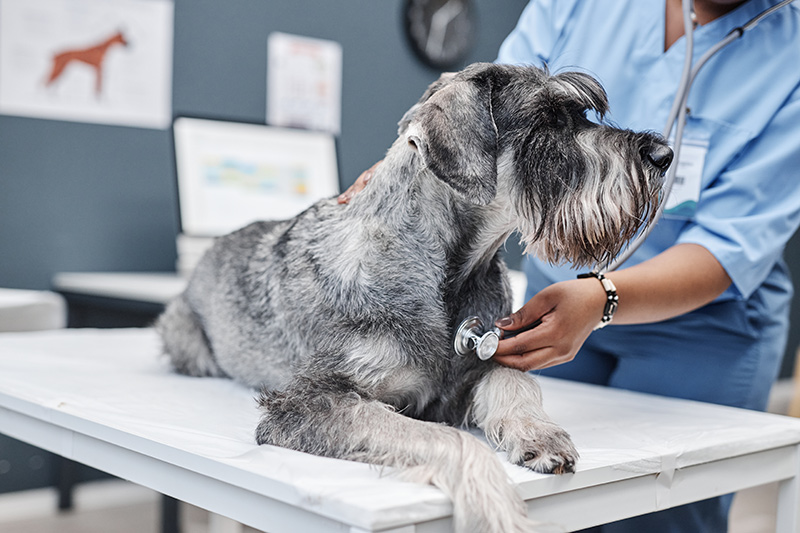
Understanding Heart Surgery for Dogs: Conditions, Procedures and Recovery
Heart surgery may be recommended for selected dogs with certain heart conditions. Learn how veterinarians determine whether surgery is appropriate, the procedures available and what to expect throughout your dog's treatment and recovery.
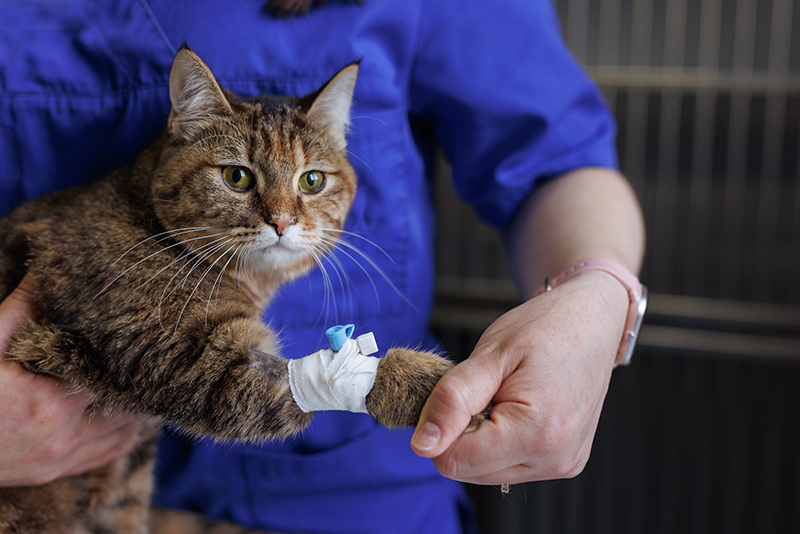
Common Situations That May Require an Emergency Vet Visit
Not every pet health concern is an emergency—but some signs should never be ignored. Learn how to recognise when your pet may need urgent veterinary care and when to visit a 24-hour emergency vet clinic for immediate attention.
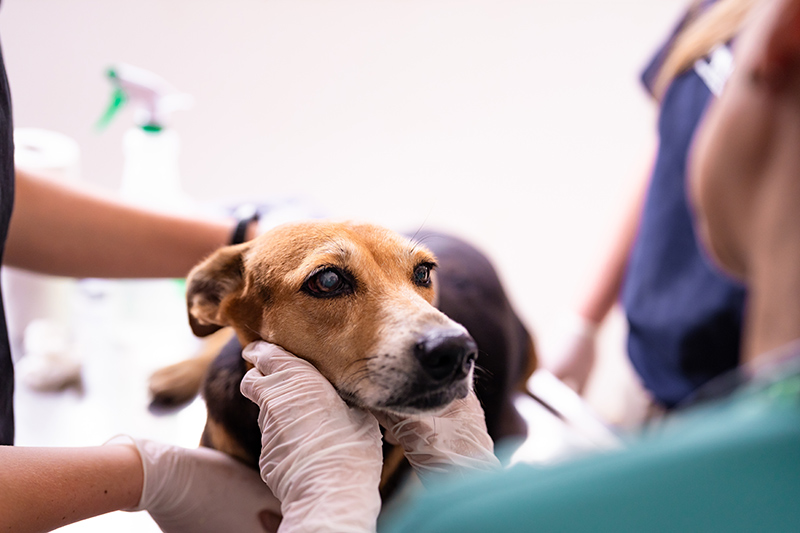
Is Your Vet Clinic in Singapore Well-Equipped for Your Pet?
Is your pet's vet clinic equipped to provide the care they need? Learn how facilities, diagnostics and clinical standards can influence your pet's healthcare journey—and what to look for when evaluating a veterinary clinic in Singapore.

When Should You See an Animal Doctor for Behavioural Changes?
Behavioural changes such as aggression, anxiety, pacing, appetite loss or unusual vocalisation may signal underlying health issues in pets. Advanced Vetcare provides veterinary assessments and ongoing care for behavioural and medical concerns in dogs and cats.
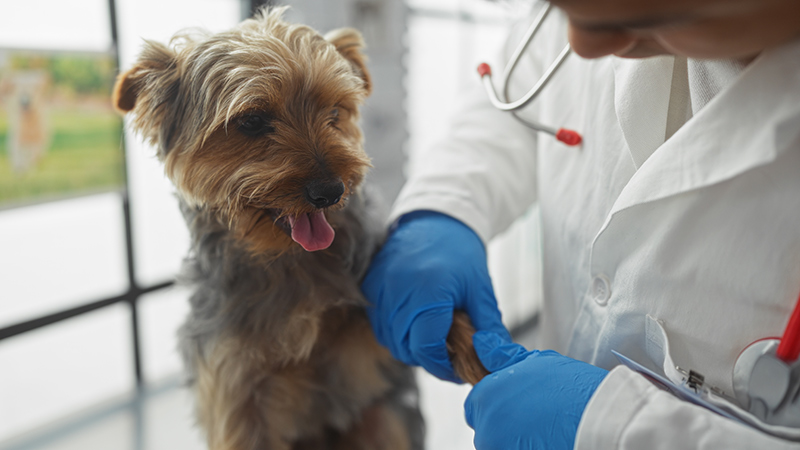
What Pet Owners Should Look for in a Trusted Animal Doctor
Choosing the right veterinarian can make a meaningful difference in your pet’s long-term health and well-being. Discover what qualities to look for in a trusted animal doctor in Singapore, from clinical expertise to compassionate care approaches.
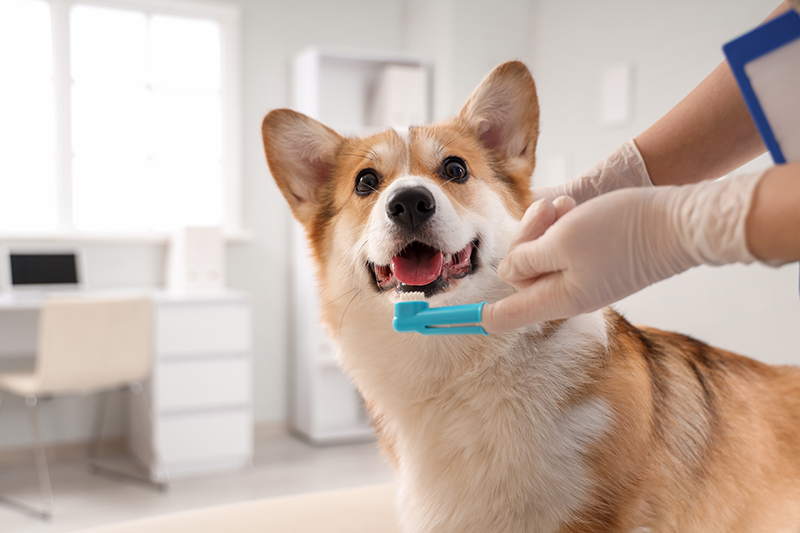
How Often Should Pets Visit a Veterinary Clinic in Singapore?
Wondering how often your pet should visit a veterinarian in Singapore? Learn recommended check-up frequencies for young, adult and senior pets, signs that require urgent veterinary care and how preventive screenings support your pet’s long-term health.

How an Animal Clinic Supports Long-Term Heart Health in Pets
Heart conditions in pets may develop gradually with subtle symptoms such as coughing, breathing difficulty or reduced energy. Advanced Vetcare provides heart screenings, veterinary assessments and long-term care plans to support your pet’s cardiovascular health.

6 Common Orthopaedic Problems in Dogs
Seeing your dog run, jump and play is a big part of what makes pet ownership rewarding. Movement is essential to a dog's happiness, which is why it can be so distressing when that activity is suddenly halted by a limp or a yelp of pain.
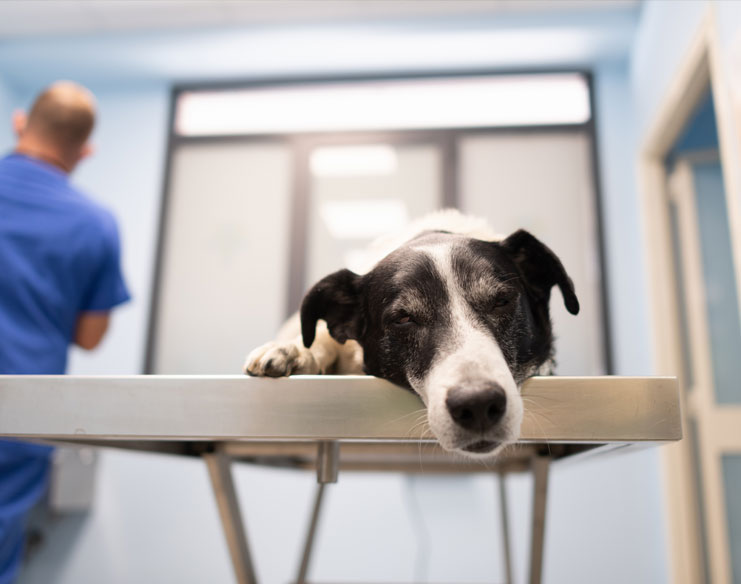
Questions To Ask Your Vet About Orthopaedic Surgery
When your pet is in pain or struggling to move comfortably, it can be difficult to know the right next step. Being told that surgery might be needed often brings a mix of concern, uncertainty and questions. By understanding what to expect and asking the right questions, you can play an active role in ensuring your pet receives the best possible care.

Heart Disease Treatments for Pets
Heart disease in dogs and cats is a serious condition that affects how the heart pumps blood to the rest of the body. Some pets are born with heart defects (congenital), while others develop them over time due to age, infection or other underlying conditions (acquired).
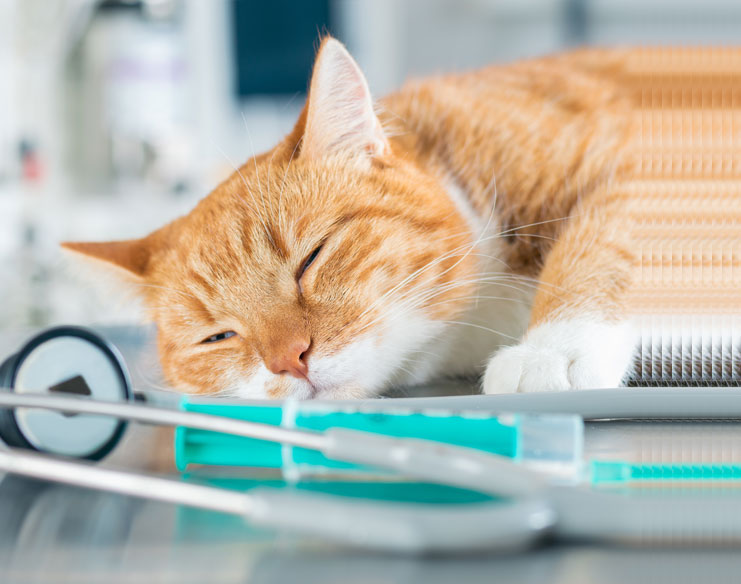
TEER Procedure vs Traditional Heart Surgery for Pets
Finding out that your pet needs heart surgery can be overwhelming. It is a moment filled with anxiety and questions about what comes next. In veterinary cardiology, there are two primary approaches considered for treating severe valve issues: traditional open-heart surgery and the transcatheter edge-to-edge repair (TEER) procedure.
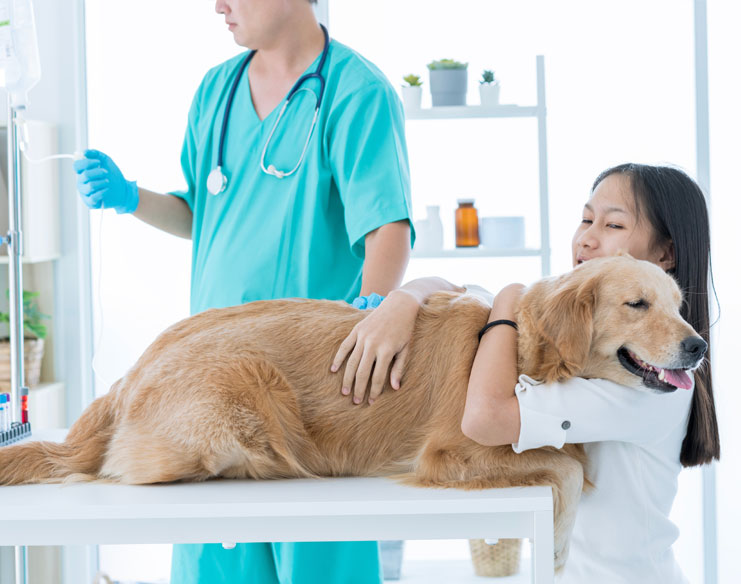
Post-Surgical Care for Pets After Cancer Surgery
When your pet goes through cancer surgery, it can be an emotional and overwhelming time for both of you. Along with the relief of completing the procedure often comes worry about recovery, comfort and what comes next.

7 Reasons Your Pet Might Need Emergency Care in Singapore
When a life-threatening situation involving your pet arises, it can often be incredibly stressful and overwhelming. In order to ensure that you can get your pet medical attention when they need it, it is helpful to keep an emergency & critical care centre in mind ahead of time. Knowing who to contact at any time of the day can help you make the right decision during a crisis.
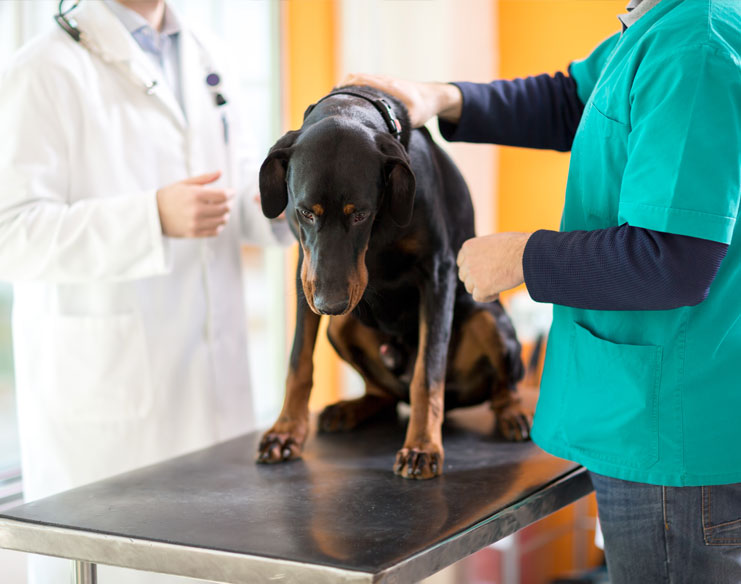
How Is Dog Cancer Treatment Performed in Singapore?
With early detection and advances in veterinary medicine, many forms of cancer in dogs can now be managed effectively, helping your pets maintain a good quality of life for longer. Veterinary clinics often have access to a range of modern diagnostic tools and treatment options, allowing them to provide comprehensive cancer care tailored to each dog’s conditions.
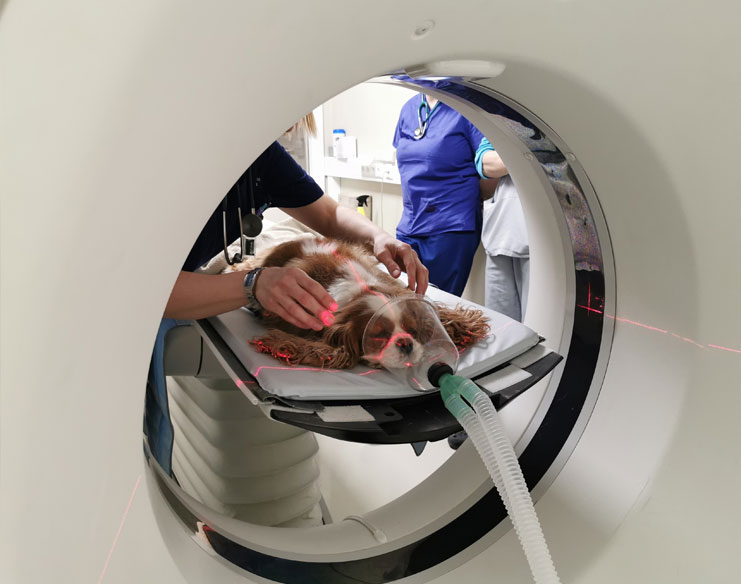
Is It Safe or Appropriate to Use CT Scans on Older Dogs?
As dogs grow older, their healthcare needs often become more complex. Subtle changes such as reduced mobility, appetite loss or unusual behaviour can sometimes be caused by underlying conditions that are difficult to detect. In these situations, CT scans are an advanced imaging tool that may be recommended to provide a clearer analysis.
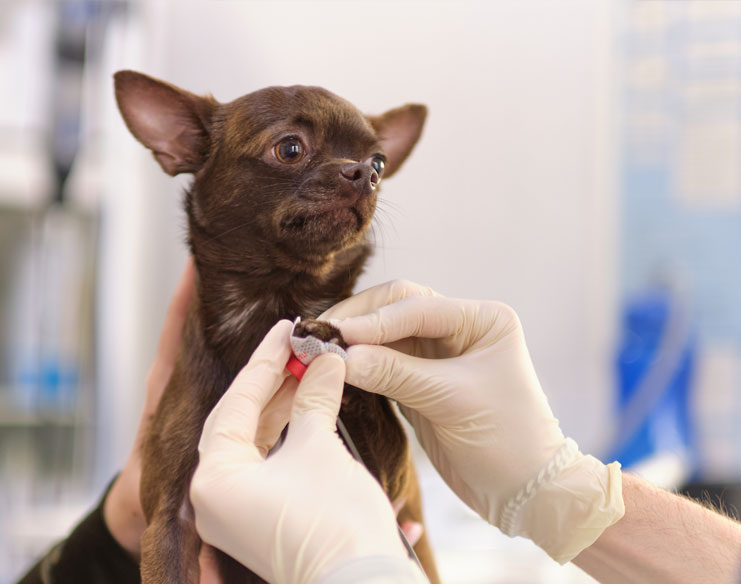
When Does a Dog Need TEER Treatment for Mitral Valve Disease?
Hearing that your dog has been diagnosed with heart disease is often a frightening experience. Many pet owners immediately worry about what comes next, whether treatment will be painful and how it might affect their dog’s quality of life.
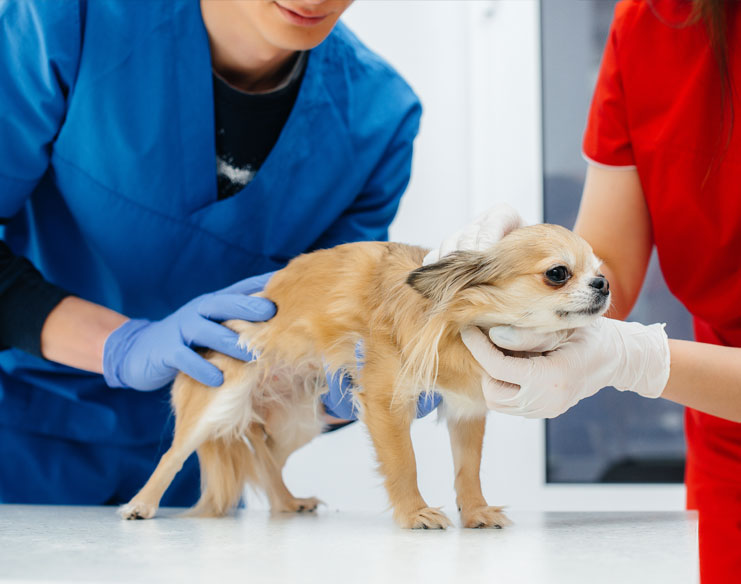
What Factors Should I Consider Before Choosing a Pet Clinic?
Having a furry friend comes with plenty of responsibilities. Chief among them is making sure your pet is fed, cleaned, housed appropriately and kept in good health. In order to watch out for your pet’s well-being, it is important to bring them for routine medical check-ups.
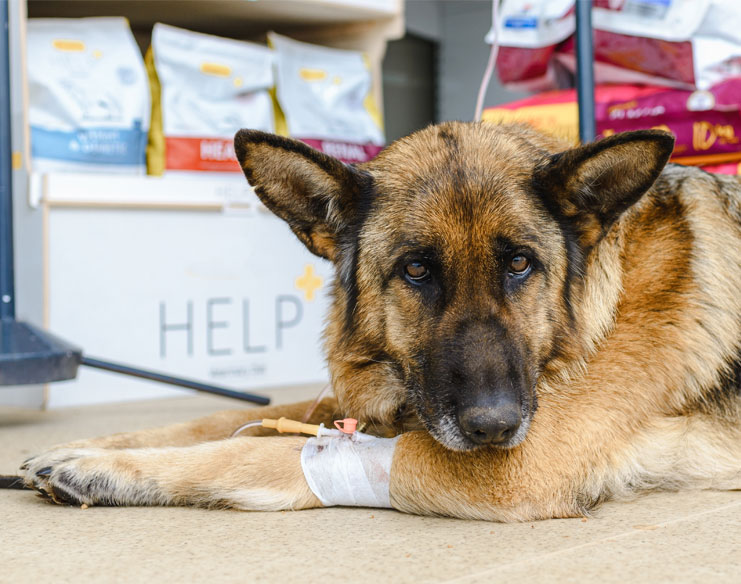
5 Most Common Cancers That Canines Suffer From
Cancer is one of the leading health concerns affecting ageing dogs. Advances in veterinary medicine have improved the ability to detect and manage many types of canine cancer, but early recognition remains important in improving outcomes and maintaining quality of life.

Recognising Emergency Conditions in Pets and How to Respond
Pets cannot describe pain or discomfort, so owners often rely on subtle changes in behaviour, appetite, or energy levels to gauge their health. Even attentive owners may struggle to decide whether a symptom is minor or a sign of something more serious, particularly when a pet appears outwardly stable. This uncertainty commonly leads to concern rather than complacency.

Understanding Fracture Repair Treatments for Dogs and Cats
Our dogs and cats bring so much joy through the way they move through the world. They leap after toys, race across rooms and climb with confidence, often with little awareness of physical limits. This natural playfulness is part of what makes them such cherished companions, but it can also place their bodies at risk. When a bone breaks, the impact can be sudden, painful and deeply concerning for owners.

How to Prepare for Your Dog’s Orthopaedic Surgery
If your dog has been scheduled for orthopaedic surgery, preparing in advance can make the process more manageable for both you and your pet. This applies whether your dog is facing a joint injury, degenerative joint disease, or hip dysplasia.
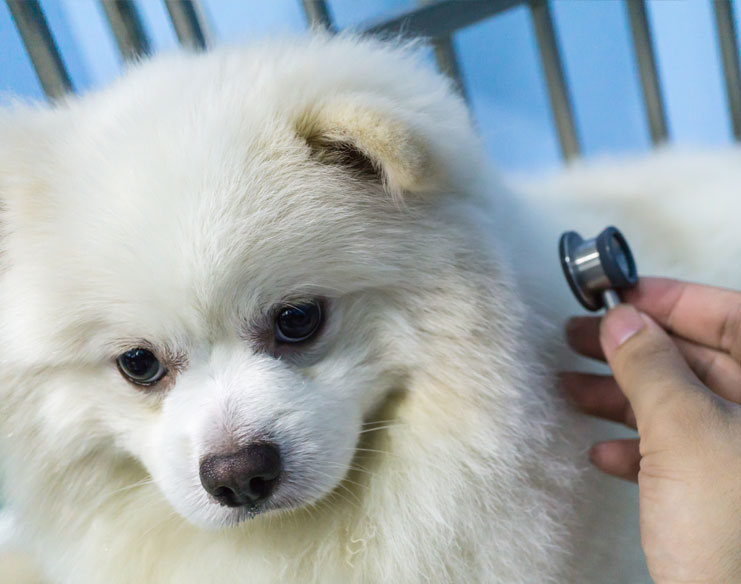
From Heart Disease to Healing: Recovery After TEER Procedure
A dog's heart condition is often first detected after changes such as reduced energy, laboured breathing, or difficulty on walks are noticed, followed by a veterinary diagnosis to confirm the heart problem. For some dogs with heart disease that no longer respond well to medication, further intervention may be considered. At this stage, treatment goals often shift toward directly reducing strain on the heart and improving circulation.

What to Expect From Your Puppy’s First Vet Visit
Bringing a new puppy home is an exciting milestone, filled with moments that shape their early development and well-being. Among the first responsibilities of puppy ownership is arranging their initial veterinary visit, an important step in protecting their long-term health.

Pet Care Guide
Becoming a pet parent is a big responsibility, but also one of the most rewarding journeys you can take. As you start this new chapter, it is natural to have questions about how to give your companion the best possible care....

Benefits of TEER
Heart disease affects an estimated 10 to 15% of all dogs and cats, with the prevalence increasing dramatically with age. By the time symptoms like coughing, lethargy or difficulty breathing become apparent...
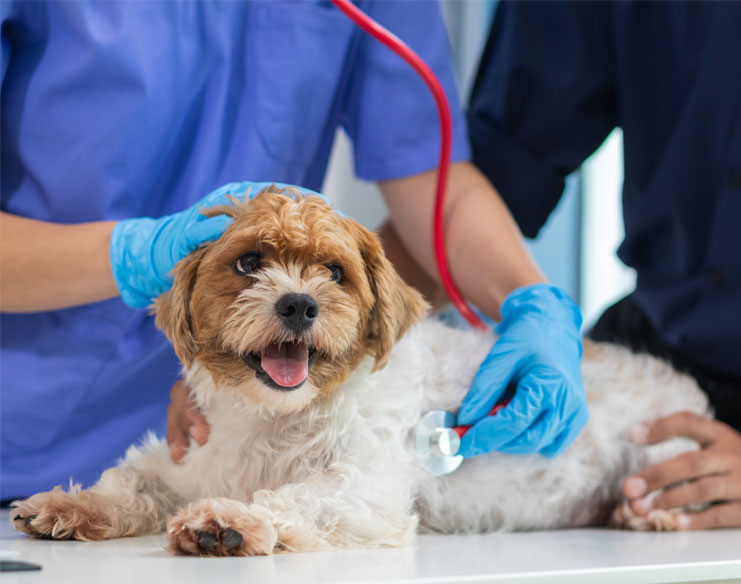
What to expect: TEER Procedure
A Transcatheter Edge-to-Edge Repair (TEER) procedure is a minimally invasive procedure designed to treat degenerative mitral valve disease in pets. It is most commonly used for dogs in stage B2 or early stage C of the disease...
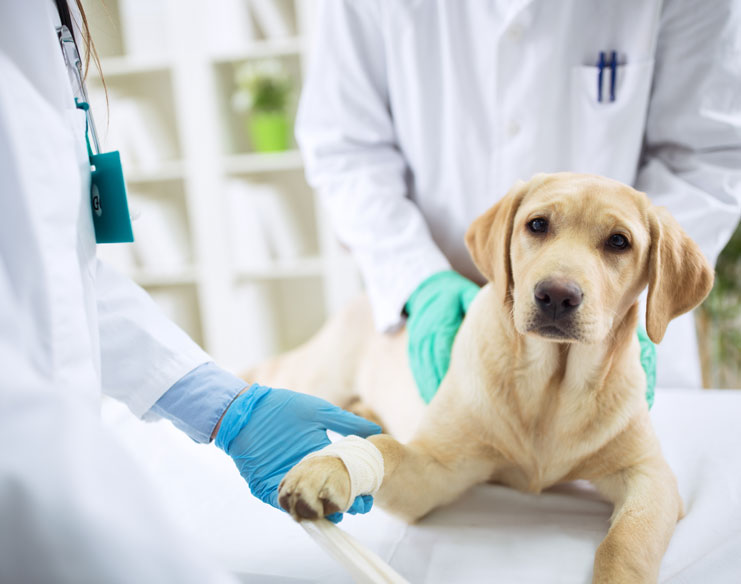
Recovery from Orthopaedic Surgery
Bringing your beloved pet home after orthopaedic surgery can feel overwhelming. Whether your dog or cat has undergone a procedure to repair a cruciate ligament, fix a fracture or correct hip dysplasia, the recovery phase is critical to their healing...
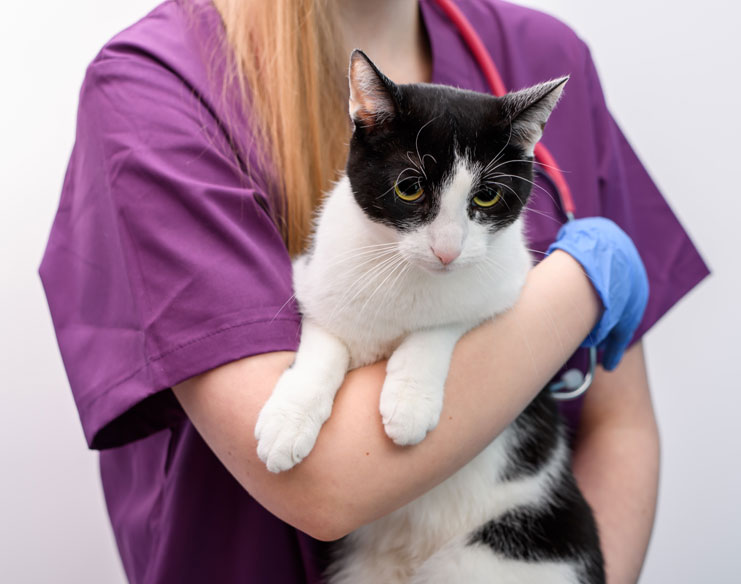
Cat Cancer
Lymphoma is one of the most common cancers in cats, affecting various organs and tissues such as the gastrointestinal tract, chest, kidneys, skin and lymph nodes. It is seen more often in senior cats and those with Feline Leukaemia Virus (FeLV)...

Advanced VetCare Veterinary Centre (Bedok) - 24Hrs Vet Clinic
26 Jln Pari Burong, Picardy Gardens, Singapore 488692 (Shophouse along Upper Changi Road)


Operating Hours: 24 Hours Daily
Advanced VetCare Veterinary Centre (Balestier)
564A Balestier Road, Singapore 329880
Opening Hours: 9am - 9pm Daily Closed on Tuesday & Public Holidays
Advanced Vetcare Veterinary Centre (Outram)
283 Outram Road, Singapore 169068 (Shophouse near Tiong Bahru)
Opening Hours: 9am - 9pm Daily Closed on Monday & Public Holidays