






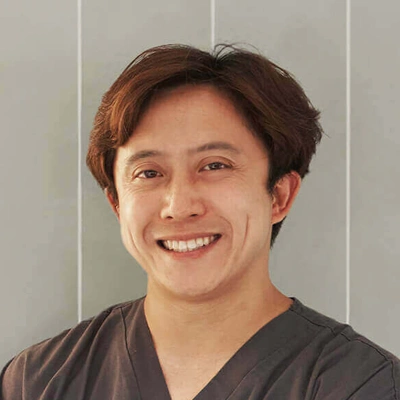
BVSc (Hons), MANZCVS (Small Animal Surgery)
With early detection and advances in veterinary medicine, many forms of cancer in dogs can now be managed effectively, helping your pets maintain a good quality of life for longer. Veterinary clinics often have access to a range of modern diagnostic tools and treatment options, allowing them to provide comprehensive cancer care tailored to each dog’s conditions.
However, dog cancer treatment is not a one-size-fits-all approach. Treatment and management depend on several factors, including the type of cancer, how advanced it is and the dog’s overall health.
How Is Cancer Diagnosed in Dogs?
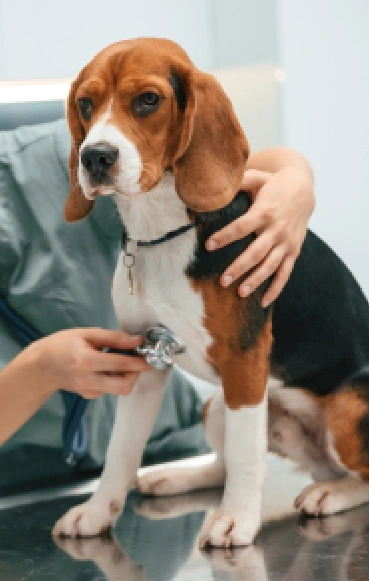
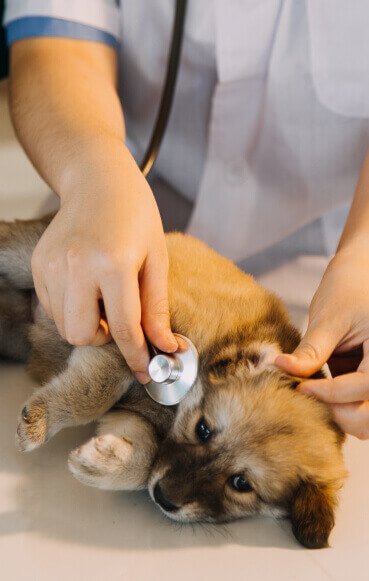
Diagnosing cancer in dogs begins with a thorough clinical evaluation. Your veterinarian will first perform a physical examination and review any symptoms your dog may be experiencing, such as unexplained weight loss, lumps, lethargy or changes in appetite. This initial assessment helps determine whether further testing is needed.
To confirm a diagnosis, several types of tests may be recommended:
- Blood tests: These blood tests help evaluate your dog’s overall health and detect abnormalities that may indicate underlying disease.
- Imaging tests: Methods such as X-rays, ultrasound or CT scans allow veterinarians to identify the presence, size and location of tumours and assess whether the cancer has spread to organs or other parts of the body.
- Biopsy or fine needle aspiration: This diagnostic approach involves collecting a sample of cells or tissue from a suspicious mass for laboratory analysis, which is essential for confirming the type of cancer.
The information obtained from these tests is key to developing an appropriate and effective treatment plan tailored to your dog’s specific condition.
What Factors Influence Dog Cancer Treatment Plans?
Dog cancer treatment is highly individualised. Veterinarians consider several key factors before recommending a cancer treatment approach, ensuring that the plan is both effective and appropriate for your dog’s overall well-being.
Type of Cancer
One of the most important factors is the type of cancer. Different cancers, such as lymphoma, mast cell tumours or bone cancer, behave differently and respond to different treatments. Some may be more aggressive, while others progress slowly and can be managed over time.
Stage and Spread of Disease
The stage of the disease also plays a critical role. Early-stage cancers that are localised may be treated more successfully with surgery or targeted therapy, while advanced cancers that have spread may require a combination of treatments to control progression.
Dog’s Age, Breed and Overall Health
Your dog’s age, breed and overall health are also taken into account. Older dogs or those with existing medical conditions may not tolerate certain procedures well, so veterinarians will adjust the plan to minimise risks while maximising the effectiveness of treatment.
Owner’s Goals and Quality-of-Life Considerations
The pet owner’s preferences and quality-of-life considerations will be considered as well. Treatment decisions often balance extending lifespan with preserving your dog’s comfort and daily function. Your veterinarian will work closely with you to choose an approach that aligns with your goals and what you feel is best for your dog.
What Are the Main Dog Cancer Treatment Options in Singapore?
The goal of canine cancer treatment is to either remove the cancer, control its spread or improve your dog’s quality of life by alleviating symptoms. Two of the most commonly used treatment options are chemotherapy and surgical oncology.
Chemotherapy
Chemotherapy uses specialised drugs to target and destroy cancer cells or slow their growth. In dogs, chemotherapy is generally administered at lower doses compared to humans, which helps minimise side effects while still being effective.
It is commonly used for cancers that have spread throughout the body, such as lymphoma, or when there is a risk of recurrence after surgery. Most dogs tolerate chemotherapy well, with mild and manageable side effects such as temporary lethargy or reduced appetite. Treatment is usually given in cycles, with regular monitoring to assess response and adjust the procedure if needed.
Surgical Oncology
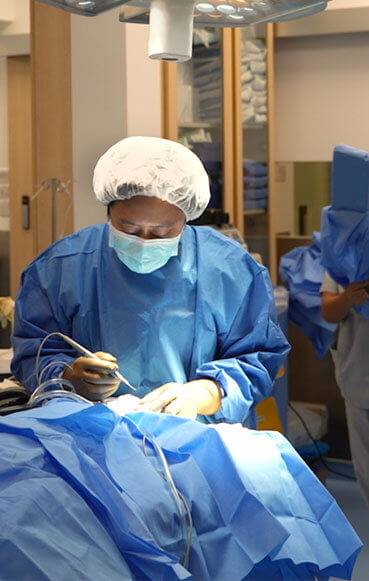
Surgical oncology involves the physical removal of tumours and is often the first line of treatment for localised cancers. The goal is to completely excise the tumour to reduce the risk of recurrence.
Surgery may be curative for certain cancers if detected early. Cancers such as mast cell tumours or soft tissue sarcomas can be removed through surgery, potentially preventing their spread and recurrence.
In other cases, it may be used to reduce tumour size before additional treatments such as chemotherapy. Recovery depends on the complexity of the procedure and your dog’s overall health, but most dogs can return to normal activities with appropriate post-operative care.
When Should You See a Veterinarian for Suspected Cancer in Dogs?
Recognising the early signs of cancer in dogs can make a meaningful difference in treatment outcomes. While some symptoms may appear mild at first, they should not be ignored, especially if they persist or worsen over time. Common warning signs to look out for include:
- Lumps or swellings that continue to grow
- Unexplained weight loss
- Lethargy or reduced activity levels
- Loss of appetite
- Persistent wounds that do not heal
- Changes in breathing, urination or bowel habits
If you notice any of these symptoms, it is important to seek veterinary attention promptly. Early intervention allows for more treatment options and can improve both prognosis and quality of life.
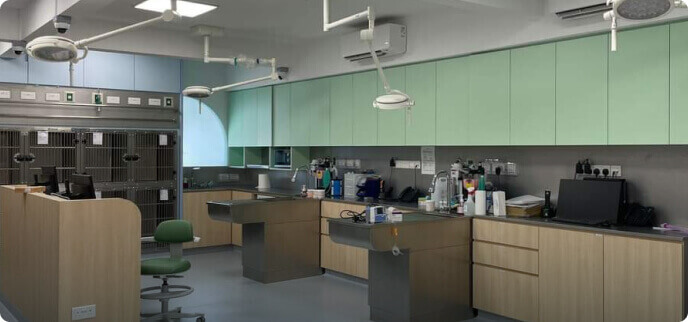
At Advanced Vetcare, suspected cancer cases are managed with a comprehensive and structured approach. From initial assessment to diagnosis and treatment planning, each dog receives care tailored to its specific condition. Our clinic is equipped with modern diagnostic facilities, including an in-house CT scan machine, and is capable of carrying out imaging and cancer diagnosis tests, enabling efficient and accurate evaluation in a controlled environment.
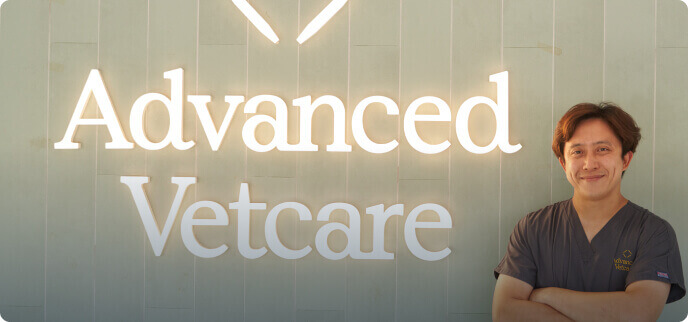
Dr Nicholas Woo, our consultant vet and surgeon, provides careful clinical assessment and clear guidance throughout the process. This support helps pet owners remain well-informed and confident in making decisions regarding their dog’s care.
If you are concerned about possible signs of cancer in your dog, contact us today to arrange a consultation and discuss the most appropriate next steps.
Meet Our Veterinary Specialist in Singapore
Dr Nicholas WooConsultant Vet and SurgeonBVSc (Hons) MANZCVS (Small Animal Surgery)
Dr Nicholas Woo is a consultant vet and surgeon with a strong passion for animal care. Dr Woo has undergone specialised training in small animal surgery and oncology under renowned veterinary specialists, equipping him with experience in managing complex surgical and medical cases. His clinical interests include advanced soft tissue surgery, animal orthopaedics, oncological care, hip replacement, spinal surgery and critical care management.
In 2017, Dr Woo founded Advanced Vetcare with the aim of providing accessible, high-level veterinary care supported by modern medical facilities and round-the-clock emergency services.
Dr Woo has also presented at numerous veterinary meetings, where he shares his knowledge and experience with fellow professionals while contributing to ongoing developments in veterinary medicine.
Advanced VetCare Veterinary Centre (Bedok) - 24Hrs Vet Clinic
26 Jln Pari Burong, Picardy Gardens, Singapore 488692 (Shophouse along Upper Changi Road)


Operating Hours: 24 Hours Daily
Advanced VetCare Veterinary Centre (Balestier)
564A Balestier Road, Singapore 329880
Opening Hours: 9am - 9pm Daily Closed on Tuesday & Public Holidays
Advanced Vetcare Veterinary Centre (Outram)
283 Outram Road, Singapore 169068 (Shophouse near Tiong Bahru)
Opening Hours: 9am - 9pm Daily Closed on Monday & Public Holidays