





BVSc (Hons), MANZCVS (Small Animal Surgery)
When your pet is in pain or struggling to move comfortably, it can be difficult to know the right next step. Being told that surgery might be needed often brings a mix of concern, uncertainty and questions. By understanding what to expect and asking the right questions, you can play an active role in ensuring your pet receives the best possible care.
When Do Pets Require Orthopaedic Surgery?
Orthopaedic surgery is typically considered when a pet has a musculoskeletal condition that significantly affects mobility, causes ongoing pain, or does not improve with conservative treatment. While some injuries can be managed with rest, medication, or physiotherapy, orthopaedic surgery may be recommended when these approaches are unlikely to provide lasting relief.
Common situations where surgery may be needed include:
Torn Ligaments
Conditions such as cranial cruciate ligament (CCL) injuries can cause instability in the joint, making walking painful and difficult.
Hip Dysplasia
A developmental condition that may require procedures such as hip replacement surgery or early interventions like juvenile pubic symphysiodesis in suitable cases.
Fractures or Broken Bones
Injuries that require stabilisation through surgical repair to ensure proper healing.
Spinal Conditions
Certain cases involving nerve compression or disc disease may require spinal surgery to relieve pain and restore function.
Joint Degeneration or Arthritis
Advanced cases where joint damage severely impacts the quality of life.
What Questions to Ask Your Vet Before Orthopaedic Surgery
Before your pet undergoes orthopaedic surgery, it is important to have a clear understanding of the procedure, risks and recovery process. Asking the right questions can help you feel more prepared and confident in the decisions you make for your pet’s care.
1. What diagnosis led to recommending surgery?
Ask your vet to explain the specific injury or condition, such as a torn cruciate ligament, hip dysplasia or a fracture, and how they arrived at this diagnosis through physical exams or imaging such as ultrasound or CT scans.
2. Are there non-surgical alternatives?
Surgery is not always the only option. Discuss whether conservative management strategies, such as physiotherapy or medication, can effectively treat your pet’s condition, or why surgery is the preferred method for long-term relief.
3. What are the expected outcomes?
Pet owners should be aware of how well the surgery will work to restore their pet’s health and function. Will your pet return to full mobility, or is the goal simply to reduce pain during walks? Setting realistic expectations prevents disappointment and helps you gauge the success of the procedure later on.
4. What type of orthopaedic surgery is planned?
Some conditions can be treated with various surgical techniques, such as fracture repair, tibial plateau levelling osteotomy (for cruciate ligaments) or a total hip replacement. Ask which specific procedure is the right option for your pet's condition and how often the vet clinic performs it.
5. What are the risks and possible complications?
Your vet should explain the potential risks and complications based on your pet’s age and condition, such as infection, implant failure or delayed healing. Knowing the success rate and safety protocols, such as vital sign monitoring, is a crucial part of informed consent.
6. What preparations are needed before surgery?
Ask about fasting, whether medications should be paused and if pre-surgical tests such as X-rays are required.
7. When can my pet go home?
Some pets are discharged on the same day, while others may require overnight observation until they are stable and fully awake from anaesthesia. Clarify the discharge plan so you can prepare your home environment and schedule your time accordingly.
8. What should I expect in the first 48 hours?
The first two days after surgery are often the most challenging. Ask about normal behaviours, such as grogginess or minor whining, versus warning signs that require immediate attention. Ensure you have an emergency contact number and a clear plan for after-hours support.
9. How do I care for the surgical incision?
Your vet will provide specific instructions on keeping the incision site clean to reduce the risk of infection. They may recommend using an Elizabethan collar (e-collar) to prevent your pet from licking the wound. Ask what a healing incision should look like so you can spot issues early.
10. What pain relief options are available?
The veterinary team often prescribes anti-inflammatory medications, pain relievers or nerve-targeted drugs. Discuss the pain relief plan, including which medication will be used, the dosing schedule and potential side effects.
11. How long is rest or restricted activity required?
Orthopaedic surgeries often require strict confinement to allow bones and tissues to heal. Clarify how long your pet needs to be on crate rest or restricted activity. Typically, this can range from 2–6 weeks or longer for complex bone repairs.
12. What early signs of complications should prompt a vet visit?
Know what necessitates an emergency visit to a vet clinic. Ask for a list of red flags, such as excessive swelling, discharge from the incision, sudden lameness, or refusal to use the limb, which may signal that you should seek immediate attention.
13. Is orthopaedic surgery expensive?
While costs vary, orthopaedic procedures involve specialised equipment and expertise. Request for a detailed estimate that includes pre-op tests, the surgery, anaesthesia and post-op medications. Discussing this upfront helps you plan financially or explore payment options.
How to Prepare Your Pet Before Orthopaedic Surgery
Now that you have a better understanding of your pet’s orthopaedic surgery, taking a few simple steps in advance can make the process less stressful for both you and your pet.
Before the surgery, make sure you understand and follow fasting instructions, as pets are usually required to avoid food for several hours prior to anaesthesia. If your pet is on medication, check with your vet whether any should be paused or adjusted.
It is also helpful to prepare a comfortable recovery space at home. Set up a quiet, confined area with soft bedding where your pet can rest safely after surgery. Limiting movement is important for healing, so removing obstacles and ensuring easy access to food, water, and a designated toilet area can make a big difference.
In the days leading up to the procedure, try to keep your pet calm and avoid excessive activity to prevent further injury. Maintaining a familiar routine can also help reduce anxiety.
Being Informed and Present for Your Best Friend
Being prepared with the right questions can make the procedure less stressful for both you and your pet. It allows you to advocate for your companion and ensures you are fully equipped to handle the recovery period. A veterinary team that you can trust is just as essential in guiding you every step of the way, from the initial diagnosis to the final post-operative check-up.
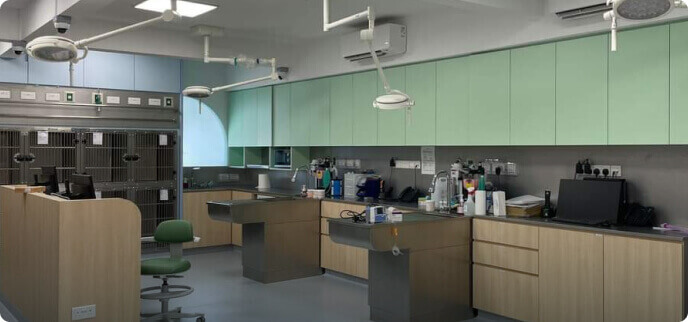
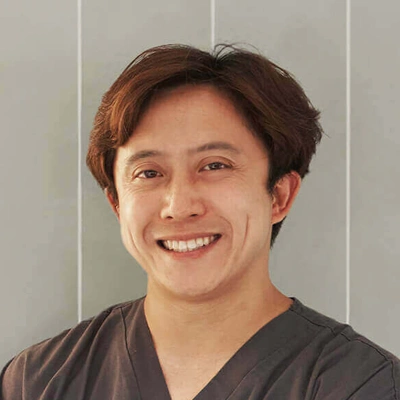
Advanced Vetcare is well-equipped with human-grade instruments to facilitate optimal levels of evaluation, detection and veterinary care. Leading the team is Dr Nicholas Woo, who previously served as Vice President of the Singapore Veterinary Association and chaired the local host committee for the 2018 World Small Animal Veterinary Association Congress. If you have any concerns about orthopaedic surgery or your pet’s health, reach out to us and our specialist will address your queries.
FAQs About Orthopaedic Surgery for Pets
Can I stay with my pet before the procedure?


How early should I arrive on the day of surgery?
Should I bathe or groom my pet before surgery?
Can I postpone the surgery if I feel unsure?

Advanced VetCare Veterinary Centre (Bedok) - 24Hrs Vet Clinic
26 Jln Pari Burong, Picardy Gardens, Singapore 488692 (Shophouse along Upper Changi Road)


Operating Hours: 24 Hours Daily
Advanced VetCare Veterinary Centre (Balestier)
564A Balestier Road, Singapore 329880
Opening Hours: 9am - 9pm Daily Closed on Tuesday & Public Holidays
Advanced Vetcare Veterinary Centre (Outram)
283 Outram Road, Singapore 169068 (Shophouse near Tiong Bahru)
Opening Hours: 9am - 9pm Daily Closed on Monday & Public Holidays