




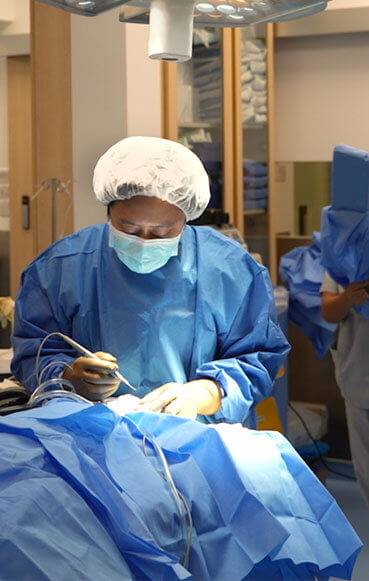


BVSc (Hons), MANZCVS (Small Animal Surgery)
When your pet goes through cancer surgery, it can be an emotional and overwhelming time for both of you. Along with the relief of completing the procedure often comes worry about recovery, comfort and what comes next.
This stage is just as important as the surgery itself, as thoughtful post-surgery care can make a meaningful difference in how well and how quickly your pet heals. By understanding how to manage pain, support their daily needs and watch for signs of complications, you can help your pet feel safe, comfortable and cared for during recovery.
What To Do After Your Pet’s Cancer Surgery
Proactive care after cancer surgery is the hallmark of a smooth recovery. As pet owners, your goal is to manage your pet's comfort and monitor their progress closely. Here are some proactive steps you can take to support their recovery journey:
Follow Medication Schedules Strictly
Administer all prescribed drugs, such as pain relievers, antibiotics or anti-inflammatories exactly as directed by your vet clinic. Proper intake of medications will help support healing and ensure your pet’s recovery stays within the expected timeframe. In some cases, your vet may also recommend follow-up blood tests to monitor healing and ensure your pet is responding well to treatment.
Create a Safe and Comfortable Space
Set up a quiet, warm and draft-free area where your pet can sleep without being disturbed by other pets or household noise. Use soft bedding that is easy to clean and ensure their food and water bowls are within easy reach so they do not have to exert themselves.
Monitor the Incision Site
Check the surgical site at least twice a day. Mild bruising can be normal, but significant swelling, discharge or a foul odour requires veterinary attention.
Assist with Gentle Movement
Brief, supervised movements are recommended to prevent stiffness. For dogs, this usually means short, controlled walks on a lead. If you have a cat, keep them indoors and restrict access to high perches where they might try to jump. Always confirm with your vet how much activity is safe for your pet.
Support Nutrition and Hydration
Anaesthesia can sometimes cause nausea, so your pet’s appetite might be low initially. Offer small, light meals as recommended by your vet. Ensure fresh water is always available. Good nutrition provides the building blocks for tissue repair, so try to encourage them to eat without forcing it.
What To Avoid After Your Pet’s Cancer Surgery
While some actions can promote healing, certain common habits or mistakes can inadvertently slow down recovery or cause harm. Pet owners can help ensure safe healing by avoiding these potential pitfalls:
Do Not Allow Licking or Chewing of the Incision
Pets have an instinct to lick their wounds, but this can introduce bacteria and cause infection or pull out stitches. Your pet must wear an Elizabethan collar (the cone) or a recovery suit if the vet recommends it. They may find it annoying, but it is the only way to protect the surgery site when you are not watching.
Avoid Strenuous Activity
Your pet may start feeling like themselves again a few days after surgery, but their body is still knitting tissues back together. Do not allow running, jumping on or off furniture, playing fetch or roughhousing with other pets. Internal healing takes longer than external healing, so keep activity low-impact during the initial recovery phase.
Do Not Skip Follow-up Medications
It can be tempting to skip the last few doses of antibiotics or pain relief if your pet looks well. However, stopping antibiotics early can lead to resistance or a resurgence of infection. Always consult your vet before making any changes to prescribed treatment.
Avoid Sudden Changes in Environment or Diet
Do not introduce new foods, treats or major changes to the household routine during this period. Stability helps keep stress hormones low, which facilitates better immune function and healing. Supporting your pet’s behavioural health during recovery can also reduce anxiety and promote better outcomes.
What Follow-Up Care Is Required After Cancer Surgery
Your veterinary team will schedule follow-up appointments to check the incision and remove any non-dissolvable stitches or staples. This usually happens 10 to 14 days after surgery.
During these visits, the vet will likely discuss the biopsy results from the tumour removal. This is the time to ask questions about further treatment options, such as chemotherapy or radiation, or to confirm that the cancer was fully removed.
When to Contact Your Vet
Even with careful care, your pet may experience unexpected issues during recovery. Knowing when to reach out can prevent minor complications from becoming serious problems. Visit a vet clinic promptly if you notice:
- Excessive bleeding or drainage from the incision
- The incision edges are gaping open
- Signs of severe pain, such as whining, panting, trembling or inability to get comfortable
- Refusal to eat or drink for more than 24 hours
- Vomiting or diarrhoea
- Unusual lethargy or unresponsiveness
It is always better to ask your vet for guidance, even if you are unsure whether a symptom is serious. Early intervention can help protect your pet’s health and give you peace of mind.
Partnering with Your Vet for the Best Recovery Outcome
Caring for your pet after cancer surgery can feel daunting, but your attentiveness plays a vital role in their recovery. By following your veterinarian’s guidance and staying alert to any changes, you can help ensure a safe and comfortable healing process. With patience and support, your pet can regain strength and return to a good quality of life.
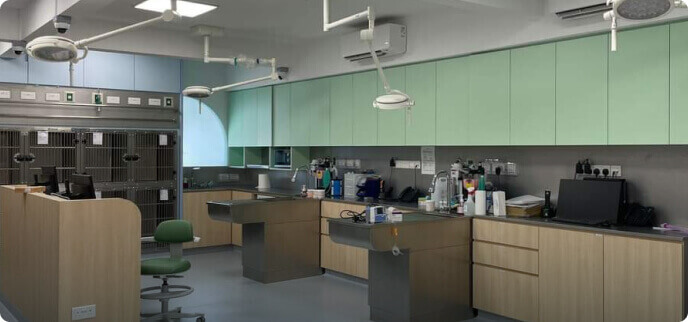
Advanced Vetcare is well-equipped to support pets through every stage of care, from diagnosis to recovery, with a strong focus on comprehensive and holistic treatment. The team is led by Dr Nicholas Woo, who has a special interest in oncology and reconstructive surgery, and is dedicated to advancing treatment options to improve outcomes for cancer patients. If your pet is undergoing or recovering from cancer treatment, reach out to us to book a consultation and receive personalised care tailored to their needs.
FAQs About Post-Surgery Care After Cancer Surgery for Pets
How long does it take for a pet to recover after cancer surgery?


Can my pet be left alone during recovery?
Can my pet go outside during recovery?
Can my pet interact with other pets at home?
Can supplements help with my pet’s recovery?
Advanced VetCare Veterinary Centre (Bedok) - 24Hrs Vet Clinic
26 Jln Pari Burong, Picardy Gardens, Singapore 488692 (Shophouse along Upper Changi Road)


Operating Hours: 24 Hours Daily
Advanced VetCare Veterinary Centre (Balestier)
564A Balestier Road, Singapore 329880
Opening Hours: 9am - 9pm Daily Closed on Tuesday & Public Holidays
Advanced Vetcare Veterinary Centre (Outram)
283 Outram Road, Singapore 169068 (Shophouse near Tiong Bahru)
Opening Hours: 9am - 9pm Daily Closed on Monday & Public Holidays