






BVSc (Hons), MANZCVS (Small Animal Surgery)
Heart disease in dogs and cats is a serious condition that affects how the heart pumps blood to the rest of the body. Some pets are born with heart defects (congenital), while others develop them over time due to age, infection or other underlying conditions (acquired).
Fortunately, veterinary medicine has advanced significantly to support your pet’s cardiac health. With the right combination of medical treatments, lifestyle changes and monitoring, many heart conditions can be managed effectively.
Signs Your Pet Could Have Heart Disease
Heart disease in pets can develop gradually, and early signs are often subtle. Recognising these symptoms early is important for maintaining your pet’s heart health and for seeking timely veterinary care. Some common signs to watch for include:
Persistent Coughing
Especially after activity or at night, which may indicate fluid build-up in the lungs.
Difficulty Breathing or Rapid Breathing
Laboured or faster-than-normal breathing can signal that the heart is not pumping efficiently.
Reduced Energy or Exercise Intolerance
Pets may tire easily or avoid activities they once enjoyed.
Loss of Appetite or Weight Loss
Changes in eating habits may occur as the condition progresses.
Swollen Abdomen
Fluid accumulation in the abdomen may cause visible bloating.
Fainting or Collapse
Sudden episodes can occur due to poor circulation or abnormal heart rhythms.
Restlessness or Discomfort
Especially when lying down, as pets may struggle to settle comfortably.
What Treatments Are Available for Pets with Heart Disease?
The approach to treating heart disease depends on the specific condition, its severity and the overall health of your pet. A veterinarian will recommend a combination of the following modalities to stabilise the condition and improve your pet’s well-being:
Medication Therapy
Medication is often the first line of treatment for heart disease in pets. The goal is usually to reduce the workload on the heart, control irregular heartbeats and prevent fluid build-up in the lungs and abdomen. Common types of medications include:
- Diuretics: These help the kidneys remove excess fluid from the body, which relieves pressure on the heart and lungs.
- ACE Inhibitors: These drugs widen blood vessels, making it easier for the heart to pump blood forward and lower blood pressure.
- Inotropes: These help the heart muscle contract with more strength and open up blood vessels.
- Anti-arrhythmics: If your pet has an irregular heartbeat, these medications help stabilise the heart’s electrical rhythm.
Specialised Diets and Supplements
A heart-healthy diet typically involves restricting sodium intake, as salt causes fluid retention, which places extra strain on the heart. Your veterinarian may also recommend supplements such as omega-3, taurine or L-carnitine. These nutrients support heart muscle health and reduce inflammation, helping to maintain energy levels and muscle mass.
Weight Management Guide and Gentle Exercise
Maintaining a healthy weight can support pets with heart disease by reducing strain on the heart. Gentle, controlled activity, such as short walks, may still be appropriate, depending on your pet’s condition.
However, overexertion should be avoided. It is important to follow your vet’s guidance on the type and intensity of exercise suitable for your pet.
Regular Monitoring and Check-ups
Heart disease is often progressive, meaning it can change over time. Regular veterinary visits allow for adjustments to medication and care plans.
Standard check-ups often involve diagnostic imaging to assess the heart’s structure and function. These include:
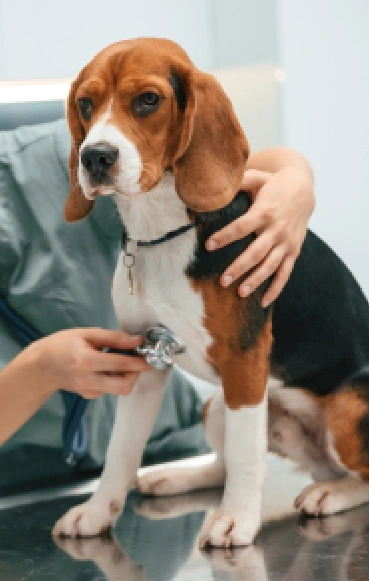
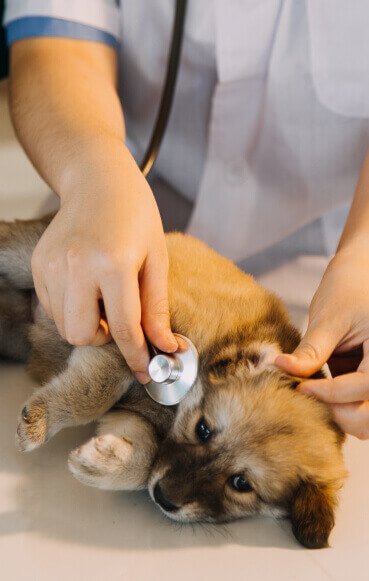
- Pet Ultrasound (Echocardiogram): This provides a real-time view of the heart, allowing vets to see how the valves are working and how the heart is pumping.
- Animal CT Scan: This test offers detailed, cross-sectional images of the heart and surrounding blood vessels. It is typically performed for complex cases or to check for concurrent issues in the lungs.
Surgical or Interventional Procedures
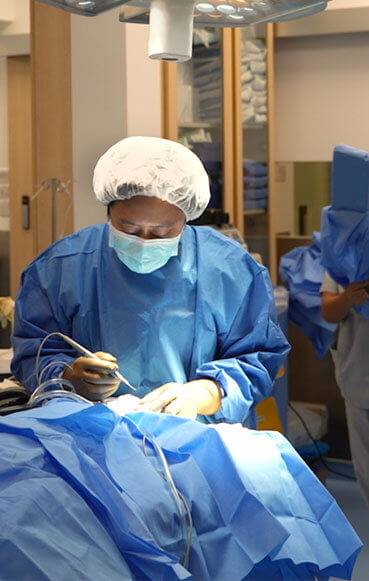
For certain heart conditions, medical management alone may not be enough. In these instances, surgical or minimally invasive interventional procedures are recommended.
One such advancement is the transcatheter edge-to-edge repair or TEER procedure. This is often used to treat dogs with severe mitral valve disease. It involves repairing the leaky valve without the need for open-heart surgery, significantly reducing recovery time and risk compared to traditional surgical methods.
Other procedures may include pacemaker implantation for irregular heart rhythms or balloon valvuloplasty to open narrowed valves.
What to Expect When Managing Your Pet’s Heart Disease
In most cases, heart disease is a chronic condition that requires ongoing management. Once medication or a specialised diet is started, it is usually continued long-term to help stabilise the condition and prevent symptoms from worsening.
Your pet’s treatment plan may change over time. As the disease progresses or as your pet ages, your veterinarian may adjust medications, dosages or monitoring frequency based on regular check-ups and diagnostic imaging.
Helping Your Pet Live Well with Heart Disease
Heart disease in pets can be challenging, but with early recognition and the right treatment plan, many pets can continue to enjoy a good quality of life. Ongoing care, regular monitoring and close communication with your veterinarian are key to managing the condition effectively.
At Advanced Vetcare, our veterinary team provides compassionate, evidence-based care for pets at every stage of heart disease. The team is led by Dr Nicholas Woo, former Vice President of the Singapore Veterinary Association. If you have concerns about your pet’s heart health or have noticed any symptoms, schedule a consultation with us for a thorough assessment and personalised care plan.
FAQs About Heart Disease and Treatments for Pets
Is heart disease more common in certain breeds?


Can my pet still exercise with heart disease?
Is heart disease painful for pets?
Are there side effects from heart medications?
How soon will I see improvement after starting treatment?

Advanced VetCare Veterinary Centre (Bedok) - 24Hrs Vet Clinic
26 Jln Pari Burong, Picardy Gardens, Singapore 488692 (Shophouse along Upper Changi Road)


Operating Hours: 24 Hours Daily
Advanced VetCare Veterinary Centre (Balestier)
564A Balestier Road, Singapore 329880
Opening Hours: 9am - 9pm Daily Closed on Tuesday & Public Holidays
Advanced Vetcare Veterinary Centre (Outram)
283 Outram Road, Singapore 169068 (Shophouse near Tiong Bahru)
Opening Hours: 9am - 9pm Daily Closed on Monday & Public Holidays