








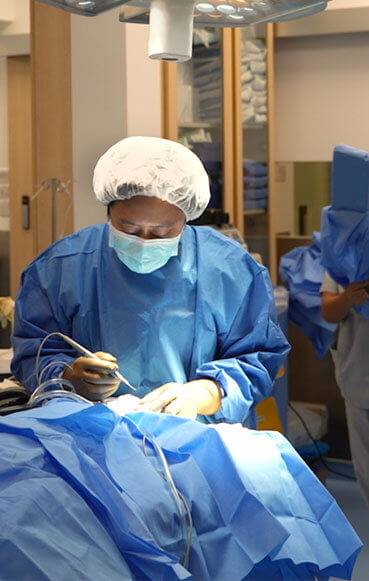


BVSc (Hons) MANZCVS (Small Animal Surgery)
As pets grow older, some may become more vulnerable to heart conditions, especially breeds and animal species that are naturally predisposed to cardiovascular disease. Because these conditions often develop gradually and with subtle early signs, they can be difficult for owners to recognise at first. Regular veterinary check-ups and heart screenings play an important role in identifying potential concerns early, before they begin to significantly affect your pet's daily comfort and wellbeing.
For pets diagnosed with heart-related conditions, ongoing veterinary care can help support symptom management, monitor disease progression and maintain a better quality of life over time. Understanding the positive impact an animal clinic can have may allow owners to make better care decisions and help their pets stay comfortable, active and as healthy as possible.
Common Heart Conditions That Pets Experience
Heart conditions in pets can affect how efficiently the heart pumps blood throughout the body. Some develop gradually with age, while others may be linked to breed-related or congenital factors. Understanding a few of the more common conditions may help owners recognise why regular heart screenings and veterinary monitoring are important.
Mitral Valve Disease (MVD)
Mitral valve disease (MVD) is one of the most common heart conditions seen in older dogs, particularly small breeds. It occurs when the heart valve between the left chambers of the heart weakens over time, causing blood to leak backwards. As the condition progresses, pets may develop coughing, fatigue or breathing difficulties.
Congestive Heart Failure (CHF)
Congestive heart failure (CHF) develops when the heart can no longer pump blood effectively enough to meet the body's needs. Fluid may begin to accumulate in the lungs or abdomen, leading to symptoms such as persistent coughing, reduced stamina, rapid breathing or weakness. CHF is often linked to underlying heart disease that has progressed over time.
Hypertrophic Cardiomyopathy (HCM)
Hypertrophic cardiomyopathy (HCM) is a heart condition more commonly seen in cats. It causes the heart muscle to become abnormally thickened, making it harder for the heart to pump blood properly. Some cats may show very few signs early on, while others may experience lethargy, breathing difficulties or sudden collapse in more advanced stages.
Congenital Heart Defects
Some pets are born with structural abnormalities in the heart, known as congenital heart defects. These conditions may affect how blood flows through the heart and body, sometimes placing additional strain on the cardiovascular system from a young age.
In some pets, congenital heart conditions may be detected in their youth during routine examinations, while others may only become noticeable later as symptoms gradually develop. Depending on the severity of the condition, pets may experience fatigue, breathing difficulties, poor growth or reduced exercise tolerance.
Because congenital heart defects are often lifelong conditions, long-term veterinary care and monitoring play an important role in helping affected pets maintain a better quality of life. Regular check-ups, heart assessments and personalised treatment plans may help veterinarians track disease progression, manage symptoms and support pets through different stages of life.
How Routine Heart Screenings Help Detect Problems Early
Many heart conditions in pets develop gradually and may not cause obvious symptoms during the early stages. Because of this, routine heart screenings play an important role in identifying subtle abnormalities before they begin to significantly affect your pet's health and quality of life.
During a consultation, veterinarians may recommend different screening methods depending on your pet's age, breed, symptoms and medical history. These assessments help provide a clearer understanding of how well the heart is functioning and whether further monitoring or treatment may be needed.
Common screening and imaging methods include:
- Physical Examination: Veterinarians listen for heart murmurs, irregular heartbeats and abnormal lung sounds while also checking breathing patterns, pulse quality and circulation.
- Chest X-rays: X-rays help assess the size and shape of the heart and detect fluid build-up in the lungs that may be linked to heart disease.
- Electrocardiogram (ECG): An ECG records the heart's electrical activity to identify abnormal heart rhythms or irregular heartbeats.
- Echocardiogram (Cardiac Ultrasound): This ultrasound scan provides detailed images of the heart's structure, valve function and blood flow to help diagnose underlying cardiac conditions.
- Blood Pressure Monitoring: Blood pressure checks help veterinarians evaluate how hard the heart is working and identify added strain on the cardiovascular system.
Together, these screenings help animal clinics monitor heart health more closely and support earlier intervention where necessary.
Managing Chronic Heart Conditions in Pets
Many heart conditions in pets require ongoing management to help maintain comfort, mobility and overall quality of life. Depending on the type and severity of the condition, veterinarians may recommend a combination of medications, lifestyle adjustments and advanced treatment options to support long-term heart health.
Medications
Medications are commonly used to help the heart function more efficiently, reduce fluid build-up and manage symptoms associated with heart disease. Your veterinarian may adjust medications over time based on your pet's condition, response to treatment and disease progression.
Lifestyle and Dietary Modifications
Daily habits can also play an important role in supporting pets with chronic heart conditions, especially those who have had them from birth. Veterinarians may recommend weight management, controlled exercise routines and dietary adjustments to reduce strain on the heart while helping pets remain comfortable and active.
Transcatheter Edge-to-Edge Mitral Valve Repair (TEER)
For suitable cases of MMVD, veterinarians may recommend Transcatheter Edge-to-Edge Mitral Valve Repair (TEER). This minimally invasive procedure helps repair the affected mitral valve to reduce blood leakage within the heart.
Compared to traditional open-heart surgery, TEER is performed through a catheter-based approach, allowing treatment without opening the chest. In appropriate patients, the procedure may help improve heart function, reduce symptoms and support better long-term quality of life.
When to Bring Your Pet to an Animal Clinic for a Heart Check-Up
Some heart conditions in pets develop gradually over time, while others may worsen suddenly and require urgent veterinary attention. Recognising both persistent changes and more severe symptoms may help owners seek care before complications become more serious.
Ongoing or persistent signs that may warrant a veterinary heart assessment include:
- Persistent coughing
- Rapid or laboured breathing
- Reduced energy or exercise tolerance
- Fainting or sudden weakness
- Restlessness, especially at night
- Loss of appetite or weight loss
- Swollen abdomen due to fluid build-up
Personalised Veterinary Care Plans for Pets With Heart Conditions
Heart conditions in pets often require long-term monitoring and ongoing care to help maintain comfort, energy levels and overall quality of life. Because many cardiac conditions gradually progress over time, regular veterinary assessments play an important role in tracking changes in heart function and identifying when treatment adjustments may be needed.
With early detection and consistent management, pets with heart disease may continue to enjoy a comfortable and active lifestyle for many years.
At Advanced Vetcare, a veterinary clinic in Singapore, we provide heart health assessments and ongoing veterinary care for pets with both newly diagnosed and chronic cardiac conditions. Care is led by Consultant Vet and Surgeon Dr Nicholas Woo, whose clinical experience includes critical care, complex medical management and advanced surgical treatment. Our team takes a comprehensive approach to monitoring heart health, with the aim of supporting early detection, symptom management and long-term quality of life for pets living with cardiovascular disease.
If your pet has been showing symptoms associated with heart disease or requires ongoing cardiac monitoring, contact us today to arrange a consultation and find out how our veterinary team can support your pet's heart health and overall well-being.
About Us
Dr Nicholas Woo
Consultant Vet and Surgeon
BVSc (Hons) MANZCVS (Small Animal Surgery)
Dr Nicholas Woo is a consultant vet and surgeon with a strong passion for animal care. Dr Woo has undergone specialised training in small animal surgery and oncology under renowned veterinary specialists, equipping him with experience in managing complex surgical and medical cases. His clinical interests include advanced soft tissue surgery, animal orthopaedics, oncological care, hip replacement, spinal surgery and critical care management.
In 2017, Dr Woo founded Advanced Vetcare with the aim of providing accessible, high-level veterinary care supported by modern medical facilities and round-the-clock emergency services.
Dr Woo has also presented at numerous veterinary meetings, where he shares his knowledge and experience with fellow professionals while contributing to ongoing developments in veterinary medicine.
FAQs About Heart Health in Pets
Why are regular heart check-ups important for pets?


What signs of heart problems should pet owners watch for?
How can an animal clinic help manage heart health in pets?
Which pets are more likely to develop heart conditions?
Can heart disease in pets be prevented?

Advanced VetCare Veterinary Centre (Bedok) - 24Hrs Vet Clinic
26 Jln Pari Burong, Picardy Gardens, Singapore 488692 (Shophouse along Upper Changi Road)


Operating Hours: 24 Hours Daily
Advanced VetCare Veterinary Centre (Balestier)
564A Balestier Road, Singapore 329880
Opening Hours: 9am - 9pm Daily Closed on Tuesday & Public Holidays
Advanced Vetcare Veterinary Centre (Outram)
283 Outram Road, Singapore 169068 (Shophouse near Tiong Bahru)
Opening Hours: 9am - 9pm Daily Closed on Monday & Public Holidays