








BVSc (Hons) MANZCVS (Small Animal Surgery)
It can be extremely worrying when your pet suddenly starts behaving differently. A usually energetic dog may become restless or irritable, while a sociable cat may begin hiding, avoiding interaction or losing interest in play. Some pets may lose control of their bowels or experience major changes to their eating habits.
Many of these behavioural changes can be linked to underlying medical or emotional conditions. Pain, neurological disorders, hormonal imbalances and anxiety can all affect how pets behave and interact with their surroundings.
It is important to understand when behavioural changes may require veterinary attention, as this could help you identify potential health concerns early and support your pet's overall well-being. You may want to visit an animal doctor when:
When Sudden Personality Changes Become a Concern
A sudden departure from your pet's typical personality is an early sign that something is wrong. Pets may sometimes become unusually aggressive, withdrawn, restless or fearful without an obvious cause. Some may also appear more sensitive to touch, vocalise more frequently, whimper, yelp or behave as though they are in pain when moving, being handled or carrying out normal daily activities.
These behavioural changes may be linked to pain, illness or emotional stress. In some cases, they can also develop alongside medical conditions affecting the nervous system, hormones or cognitive function. Pets experiencing discomfort may not always show obvious physical symptoms, making changes in temperament and behaviour an important warning sign.
When this behaviour persists over an extended period and you are unable to detect and remove stressors that could be causing it, a veterinary assessment can help determine whether some underlying medical issue is causing a shift in their temperament.
When Your Pet Stops Eating or Drinking Normally
Changes in eating or drinking habits can be a sign that something is affecting your pet's health or comfort. A sudden loss of appetite, refusal to drink water or unusual increase in thirst may occur with a wide range of conditions, including dental disease, digestive issues, infections, hormonal disorders or kidney-related problems.
Pets that stop eating or drinking normally may also become lethargic, lose weight or show reduced interest in daily activities. In some cases, nausea, pain or emotional stress may also affect their appetite and hydration. Because prolonged changes in food or water intake can quickly impact your pet's overall health, it is important to seek veterinary attention if these symptoms persist or worsen.
When Toilet Habits Change Unexpectedly
Unexpected changes in your pet's toilet habits can sometimes indicate underlying health problems that require medical attention. Pets that suddenly begin having accidents indoors, strain while urinating or defecating, urinate more frequently or show changes in stool consistency may be experiencing discomfort or illness.
In some cases, these symptoms may be linked to urinary tract infections, digestive conditions, bladder issues or age-related concerns. Cats that repeatedly visit the litter box without passing urine, or dogs that appear uncomfortable during toileting, should be assessed promptly, as certain urinary conditions can become serious if left untreated.
When Excessive Scratching, Licking or Grooming Occurs
Excessive or repetitive licking, biting or scratching may be a sign of an underlying problem. Skin irritation caused by allergies, parasites, infections or environmental triggers can lead to persistent discomfort and cause pets to focus repeatedly on certain areas of the body.
In some situations, excessive grooming may also be linked to stress or anxiety, particularly when it develops alongside other behavioural changes. Pets may create bald patches, redness or skin wounds from repeated licking or scratching, which can further increase the risk of infection and irritation.
If these behaviours become frequent, intense or start causing visible skin changes, a veterinary examination can help identify the underlying cause and determine the most appropriate treatment approach.
When Your Pet Acts Differently After a Major Life Event
Major changes in a pet's environment or routine can sometimes affect their behaviour and emotional well-being. Events such as moving house, introducing a new family member or pet, changes in daily schedules or spending more time alone can create stress and uncertainty for some animals.
Pets experiencing stress after a major life event may become withdrawn, anxious, clingy or unusually vocal. Others may show behavioural changes such as hiding, destructive behaviour, reduced appetite or signs of separation anxiety when left alone. While some pets gradually adjust over time, persistent behavioural changes may indicate that they are struggling to cope with the transition.
In these cases, a veterinary assessment may help identify whether medical or behavioural support is needed. Early guidance can help improve your pet's adjustment and overall well-being.
Seeking Early Intervention for Unusual Behaviour with a Veterinary Specialist
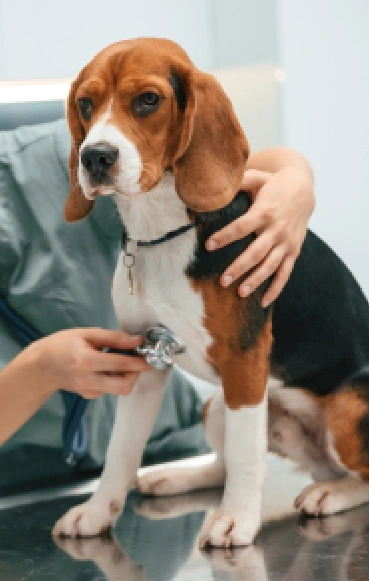
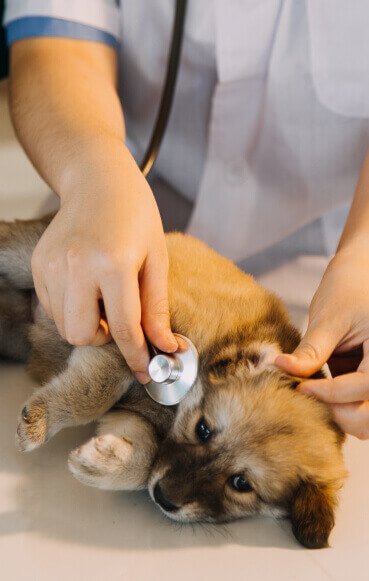
When your pet is acting unusually, seeking veterinary advice early may help identify potential health issues before they become more serious or begin affecting your pet's quality of life. A thorough assessment could help to determine whether behavioural changes are linked to medical conditions, environmental stressors or emotional distress, allowing appropriate treatment and long-term management to begin sooner.
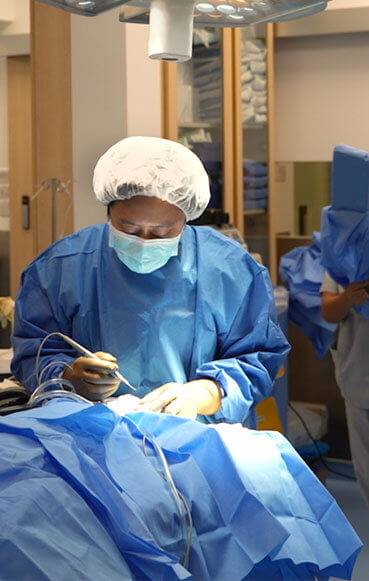
Advanced Vetcare is a veterinary clinic in Singapore that provides veterinary assessments and ongoing care for pets experiencing behavioural and health-related changes across different life stages. Care is led by Dr Nicholas Woo, Consultant Vet and Surgeon, whose clinical experience includes small animal surgery, critical care and complex medical management. Our team takes a comprehensive approach to evaluating behavioural concerns, with the aim of identifying underlying causes and supporting your pet's overall well-being.
If your pet has been showing unusual behavioural changes, contact us today to book an appointment so that we can carry out a comprehensive examination.
About Us
Dr Nicholas Woo
Consultant Vet and Surgeon
BVSc (Hons) MANZCVS (Small Animal Surgery)
Dr Nicholas Woo is a consultant vet and surgeon with a strong passion for animal care. Dr Woo has undergone specialised training in small animal surgery and oncology under renowned veterinary specialists, equipping him with experience in managing complex surgical and medical cases. His clinical interests include advanced soft tissue surgery, animal orthopaedics, oncological care, hip replacement, spinal surgery and critical care management.
In 2017, Dr Woo founded Advanced Vetcare with the aim of providing accessible, high-level veterinary care supported by modern medical facilities and round-the-clock emergency services.
Dr Woo has also presented at numerous veterinary meetings, where he shares his knowledge and experience with fellow professionals while contributing to ongoing developments in veterinary medicine.
FAQs About Seeing an Animal Doctor for Behavioural Changes
When should behavioural changes in pets become a concern?


What behavioural changes may indicate a health problem?
Can stress cause behavioural changes in pets?
Why is early veterinary assessment important for behavioural changes?
How can an animal doctor help with behavioural problems?

Advanced VetCare Veterinary Centre (Bedok) - 24Hrs Vet Clinic
26 Jln Pari Burong, Picardy Gardens, Singapore 488692 (Shophouse along Upper Changi Road)


Operating Hours: 24 Hours Daily
Advanced VetCare Veterinary Centre (Balestier)
564A Balestier Road, Singapore 329880
Opening Hours: 9am - 9pm Daily Closed on Tuesday & Public Holidays
Advanced Vetcare Veterinary Centre (Outram)
283 Outram Road, Singapore 169068 (Shophouse near Tiong Bahru)
Opening Hours: 9am - 9pm Daily Closed on Monday & Public Holidays