







BVSc (Hons), MANZCVS (Small Animal Surgery)
Hearing that your dog has been diagnosed with heart disease is often a frightening experience. Many pet owners immediately worry about what comes next, whether treatment will be painful and how it might affect their dog’s quality of life.
The good news is that heart conditions in animals can sometimes be treated by less-invasive approaches designed to support both heart function and overall wellbeing. One such option is TEER surgery, which provides a targeted approach that directly treats the heart while reducing the strain of a traditional surgery.
For suitable dogs, it opens up the possibility of effective treatment with a gentler recovery process, helping them return more comfortably to their daily routines.
Transcatheter Edge-to-Edge Mitral Valve Repair (TEER) for Dogs
Transcatheter edge-to-edge mitral valve repair (TEER) is a catheter-based procedure designed to correct mitral valve leakage in dogs.
When a dog has myxomatous mitral valve disease (MMVD), the valve inside the heart does not close tightly. Instead of forming a proper seal, the valve flaps remain slightly open. This allows some blood to leak backwards with each heartbeat, rather than moving forward through the body. Over time, this backflow forces the heart to work harder, leading to enlargement of the heart and symptoms such as coughing, fatigue and breathing difficulty.
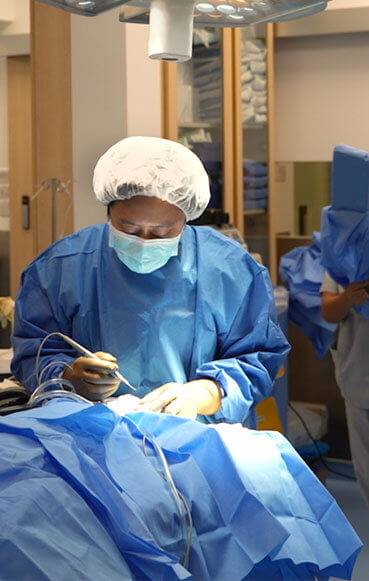
The TEER process works by physically improving how the valve closes. During the procedure, a veterinarian guides a thin catheter through a vein to reach the heart. A small clip-like device is then placed onto the mitral valve. This clip gently pinches the loose valve flaps together at the centre, helping them meet properly when the heart beats.
By bringing the valve edges closer together, the opening that was allowing blood to leak backward becomes much smaller. This helps the valve seal more effectively, so more blood moves in the correct direction with each heartbeat. As a result, the heart does not have to work as hard, and pressure within the heart is reduced. The result is reduced leakage, improved circulation and less strain on the heart.
For suitable candidates, TEER offers a targeted way to improve heart function and manage mitral valve disease while maintaining a good quality of life.
How Does TEER Benefit My Dog?
TEER has several key benefits over traditional open heart surgery, with the most notable being:
Minimally Invasive
TEER is considered a minimally invasive surgery, as it avoids large incisions and cardiopulmonary bypass. This repair is performed using a catheter inserted through a blood vessel. This means less physical trauma to your dog’s body, reduced pain after the procedure and a more comfortable overall treatment experience.
Faster Recovery
Since the TEER procedure is less invasive, recovery is typically quicker compared to open-heart surgery. Many dogs are able to regain their energy, appetite and normal routines sooner, with shorter hospital stays and less downtime during healing.
Fewer Complications
As it is not a major surgery, TEER is associated with a lower risk of complications such as infection, excessive bleeding or prolonged recovery issues. This can make it a safer and more suitable option for dogs that may not tolerate more invasive procedures well.
How Do I Know if My Dog Requires TEER?
Not every dog with heart disease will require or be suitable for TEER. Careful assessment by a veterinarian is needed to determine whether this procedure is appropriate, based on the stage of the condition, your dog’s overall health and specific clinical findings.
Diagnosis of Mitral Valve Disease
Firstly, TEER is a procedure that is intended to correct defects of the mitral valve. It is not a general heart disease treatment. This procedure is primarily considered for dogs diagnosed with myxomatous mitral valve disease (MMVD), a common but specific condition where the mitral valve becomes thickened and does not close properly. This diagnosis is usually confirmed through clinical examination and imaging such as echocardiography.
Early Stages of the Disease
The best candidates for TEER surgery are typically dogs in stage B2 or early stage C of MMVD. At this stage, there is significant valve leakage along with enlargement of the heart, and in some cases, early signs of heart failure. Your dog may be experiencing coughing, reduced stamina or mild breathing difficulty. Intervening at this point allows TEER to provide more meaningful improvement in heart function.
Age and Weight Range
TEER is most appropriate for dogs who are under 12 years old, as older dogs are more likely to have additional age-related health conditions that can increase the risks associated with anaesthesia and recovery. Younger dogs also tend to have better overall organ function and resilience, which supports safer procedures and more effective healing.
In addition to age, body weight plays an important role. Dogs typically need to fall within the 4 kg–15 kg range to ensure the catheter and device can be safely and accurately positioned within the heart. These factors help veterinarians determine whether TEER can be performed with a good balance of safety and expected benefit.
When May TEER Not Be Suitable for Your Dog?
Dogs in advanced stages of heart disease, such as late stage C or stage D, may not benefit as much from TEER because of the extent of heart damage. Similarly, dogs with conditions like atrial fibrillation are often not ideal candidates, as the procedure may not effectively address their underlying cardiac issues.
A thorough evaluation by a veterinary specialist will help determine whether TEER is the right option, ensuring that treatment is tailored to your dog’s specific condition and needs.
Seeking Out Specialist Assistance for Your Dog’s Heart Health
When performed at the right time, TEER can help reduce symptoms of disease, support heart function and improve overall quality of life. As every dog’s condition is unique, careful consideration is needed to determine whether this is the most suitable treatment option.
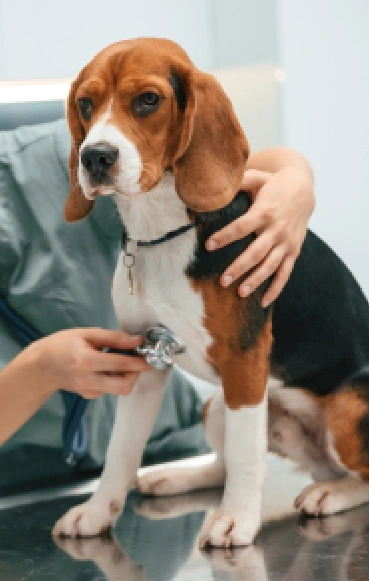
Through detailed evaluation, imaging and clinical examination, a veterinarian may be able to obtain a clear understanding of your dog’s condition. This allows for a personalised recommendation based on their individual suitability and overall health status.
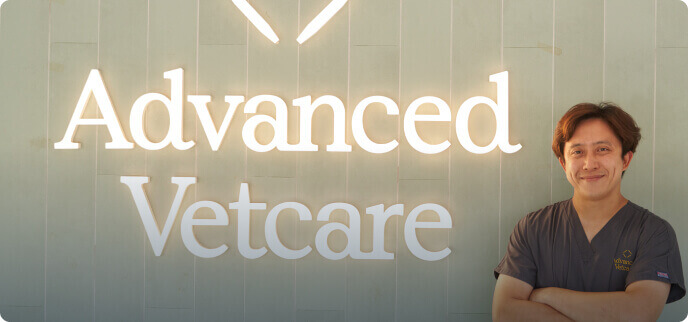
At Advanced Vetcare, each case is approached with a focus on tailored care and informed decision-making. Dr Nicholas Woo, our consultant vet and surgeon, provides thorough assessments and guides pet owners through appropriate treatment options for their pet.
If your dog has been diagnosed with mitral valve disease or is showing concerning symptoms of a heart condition, contact us today to arrange a consultation and explore the next steps we can take.
About Us
Dr Nicholas WooConsultant Vet and SurgeonBVSc (Hons) MANZCVS (Small Animal Surgery)
Dr Nicholas Woo is a consultant vet and surgeon with a strong passion for animal care. Dr Woo has undergone specialised training in small animal surgery and oncology under renowned veterinary specialists, equipping him with experience in managing complex surgical and medical cases. His clinical interests include advanced soft tissue surgery, animal orthopaedics, oncological care, hip replacement, spinal surgery and critical care management.
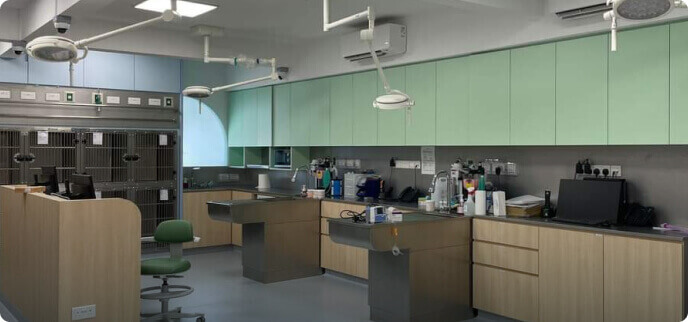
In 2017, Dr Woo founded Advanced Vetcare with the aim of providing accessible, high-level veterinary care supported by modern medical facilities and round-the-clock emergency services.
Dr Woo has also presented at numerous veterinary meetings, where he shares his knowledge and experience with fellow professionals while contributing to ongoing developments in veterinary medicine.

Advanced VetCare Veterinary Centre (Bedok) - 24Hrs Vet Clinic
26 Jln Pari Burong, Picardy Gardens, Singapore 488692 (Shophouse along Upper Changi Road)


Operating Hours: 24 Hours Daily
Advanced VetCare Veterinary Centre (Balestier)
564A Balestier Road, Singapore 329880
Opening Hours: 9am - 9pm Daily Closed on Tuesday & Public Holidays
Advanced Vetcare Veterinary Centre (Outram)
283 Outram Road, Singapore 169068 (Shophouse near Tiong Bahru)
Opening Hours: 9am - 9pm Daily Closed on Monday & Public Holidays