








BVSc (Hons) MANZCVS (Small Animal Surgery)
As a pet owner, you play an important role in supporting your pet's long-term health and wellbeing. Part of this responsibility includes ensuring your pet receives regular veterinary care throughout every stage of their life. While pets may not always show obvious signs when they are unwell, routine check-ups at a veterinary clinic can help identify potential health concerns early and ensure they receive the preventive care needed to stay healthy.
Pets of different ages and species may require different frequencies for veterinary visits. Younger pets may require appointments more often, so that you can carry out monitoring, vaccination and look out for all their developmental needs, while adult pets may need screenings at longer regular intervals.
Whether you own a dog, cat, rabbit or any other small animal, knowing more about their healthcare needs and recommended check-up schedule can help you provide more appropriate and timely care to your pet.
How Often Should Young Pets Visit the Clinic?
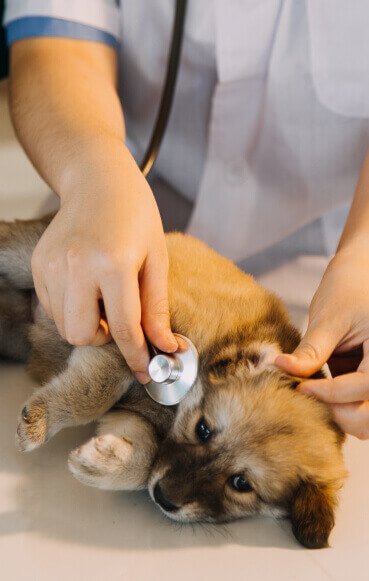
Young pets generally require more frequent visits to the veterinary clinic during their first year of life, often every few weeks during their vaccination period. Puppies and kittens may begin their first veterinary visit from around 6–8 weeks of age, followed by subsequent appointments scheduled according to their vaccination and developmental needs. Smaller animals such as rabbits may also require early health screenings and preventive care during their earlier stages of life.
For many first-time owners, these visits are also valuable opportunities to better understand how to care for a growing pet. Veterinarians may be able to provide guidance on many important aspects of early pet ownership, helping owners build healthy routines for their pets from a young age.
Vaccination and Deworming
Vaccinations are an important part of protecting young pets against infectious diseases during their early months of life. Puppies and kittens often require a series of vaccinations scheduled across several visits to help build their immunity. Depending on the type of pet, veterinarians may also recommend vaccinations against diseases commonly seen in Singapore.
Deworming and parasite prevention are also commonly carried out during these appointments, as younger pets may be more vulnerable to intestinal worms, fleas, ticks and other parasites.
Growth and Development Monitoring
Routine veterinary visits allow veterinarians to monitor whether your pet is growing and developing appropriately for their age and breed. This may include tracking weight gain, assessing body condition, examining tooth development and checking for any abnormalities that may affect their health as they mature.
These appointments also provide opportunities to discuss dietary needs, feeding portions and behavioural changes as your pet grows. Early guidance can help owners better support their pet's physical and developmental needs during this important stage of life.
Spaying and Neutering Discussions
During your pet's early check-ups, veterinarians may also discuss appropriate timing for spaying or neutering procedures. The recommended age may vary depending on your pet's species, breed, size and overall health condition.
These discussions allow pet owners to better understand the potential health, behavioural and reproductive considerations associated with the procedure.
How Often Should Adult Pets Have Check-Ups?
As pets move into adulthood, the frequency of veterinary visits tends to decrease. Most adult pets are recommended to come in once a year for a check-up, in order to monitor their overall health. During these annual appointments, veterinarians typically carry out several types of routine screening.
Annual Wellness Examinations
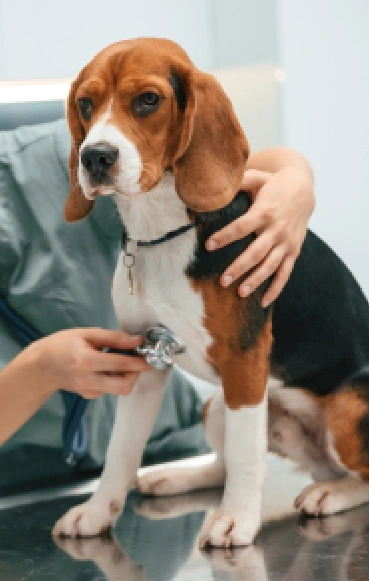
Annual wellness examinations allow veterinarians to carry out a general assessment of your pet's health and physical condition. During these visits, veterinarians may examine your pet's eyes, ears, skin, teeth, coat, heart and joints while also checking for any abnormalities or signs of illness.
In the event that any abnormalities are found, your veterinarian may recommend routine blood tests, other types of health screenings or an increased frequency of future visits, for the sake of observation.
Preventive Screenings and Parasite Control
Preventive healthcare remains an important part of adult pet care, even when pets appear healthy. During routine visits, veterinarians may recommend screenings to check for underlying conditions such as dental disease, obesity, infections or early organ-related issues.
Parasite prevention is also commonly reviewed during these appointments, as pets may still be exposed to fleas, ticks, mites, intestinal worms or heartworm risks depending on their environment and lifestyle. Maintaining regular preventive treatments can help reduce the likelihood of parasite-related health complications.
Diet, Exercise and Weight Management
As pets grow older, their nutritional and exercise needs may change depending on their activity levels, breed and overall health condition. Veterinary visits provide opportunities for pet owners to discuss suitable diets, feeding portions and exercise routines to support their pet's wellbeing.
Maintaining a healthy weight is important as obesity may increase the risk of various health conditions, including joint problems, diabetes and heart-related disease.
Why Senior Pets Usually Need More Frequent Veterinary Visits
As pets grow older, they may become more susceptible to age-related health conditions that require closer monitoring and ongoing care. Some senior pets are recommended to visit once every 6 months, as health conditions can progress more quickly with age. More regular veterinary assessments allow potential concerns to be identified earlier, helping veterinarians provide timely treatment recommendations and supportive care to maintain your pet's comfort and quality of life.
Age-Related and Breed-Related Health Conditions
Senior pets may face a higher risk of chronic medical conditions as they age. Common age-related conditions in dogs and cats can include arthritis, kidney disease, heart disease, diabetes and dental disease. Smaller animals such as rabbits may also experience dental overgrowth, mobility issues and digestive-related conditions as they grow older.
Certain breeds of dogs may also be more susceptible to specific health conditions. For example, larger dog breeds may be more prone to joint and mobility issues, while some smaller breeds may face higher risks of dental disease or heart conditions. Flat-faced breeds may also be more susceptible to breathing-related problems.
Regular veterinary visits can help monitor these breed-related risks more closely and identify early signs of disease before complications develop.
Monitoring Mobility and Cognitive Changes
As pets age, owners may begin noticing gradual changes in their mobility, behaviour or daily habits. Some senior pets may become less active, have difficulty climbing stairs, show stiffness after resting or appear less interested in exercise and play. These changes may sometimes be associated with arthritis, joint disease or muscle loss.
Older pets may also experience cognitive and behavioural changes over time. Dogs and cats, for example, may develop signs of confusion, disrupted sleep patterns, increased vocalisation or changes in social behaviour as they age.
Routine veterinary visits provide opportunities for veterinarians to assess these changes and recommend supportive care, pain management strategies or lifestyle adjustments where necessary.
Signs Your Pet Should Visit an Animal Clinic Sooner
There are situations where your pet should be brought to a clinic earlier than their recommended screening interval. Pets can sometimes hide signs of illness or discomfort, especially smaller animals such as rabbits and hamsters, making it important for owners to pay attention to sudden physical or behavioural changes.
Some signs that may warrant an earlier or urgent veterinary visit include:
- Loss of appetite or sudden changes in drinking habits
- Persistent vomiting or diarrhoea
- Difficulty breathing
- Difficulty walking, standing or sudden weakness
- Sudden lethargy or unusual behavioural changes
- Seizures or collapse
- Unusual lumps, swelling or visible injuries
- Suspected poisoning or ingestion of foreign objects
If your pet appears unwell, injured or behaves unusually, it is generally advisable not to wait until their next scheduled appointment. Early veterinary assessment may help identify underlying medical issues sooner and reduce the risk of complications, particularly in situations where symptoms progress quickly.
Supporting Your Pet's Long-Term Health with Regular Veterinary Care
Routine veterinary visits play an important role in helping pets stay healthy throughout every stage of life. From vaccinations and developmental monitoring in younger pets to preventive screenings and age-related care for senior animals, regular check-ups allow veterinarians to identify potential health concerns early and provide timely medical support when needed.
Advanced Vetcare is a veterinary clinic in Singapore that provides ongoing preventive and screening care for pets across different life stages. Care is led by Dr Nicholas Woo, our consultant vet and surgeon, whose experience in small animal surgery, critical care and complex medical management allows him to support pets with both routine wellness needs and more advanced health concerns. Through regular veterinary guidance, we aim to help owners become an active part of their pet's healthcare management.
Contact us today to find out more about how we can help you and your pet.
About Us
Dr Nicholas Woo
Consultant Vet and Surgeon
BVSc (Hons) MANZCVS (Small Animal Surgery)
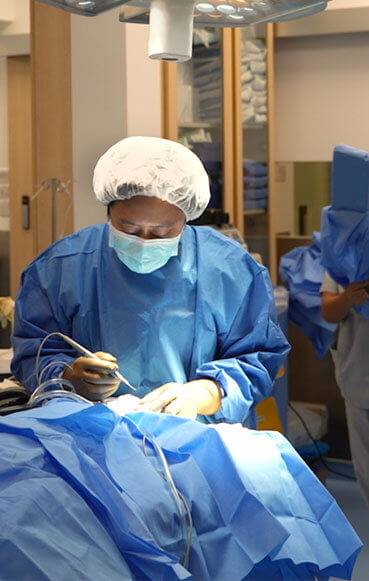
Dr Nicholas Woo is a consultant vet and surgeon with a strong passion for animal care. Dr Woo has undergone specialised training in small animal surgery and oncology under renowned veterinary specialists, equipping him with experience in managing complex surgical and medical cases. His clinical interests include advanced soft tissue surgery, animal orthopaedics, oncological care, hip replacement, spinal surgery and critical care management.
In 2017, Dr Woo founded Advanced Vetcare with the aim of providing accessible, high-level veterinary care supported by modern medical facilities and round-the-clock emergency services.
Dr Woo has also presented at numerous veterinary meetings, where he shares his knowledge and experience with fellow professionals while contributing to ongoing developments in veterinary medicine.
FAQs About Visiting a Veterinary Clinic in Singapore
How often should pets visit a veterinary clinic in Singapore?


Why are regular vet check-ups important for pets?
When should puppies and kittens visit the vet?
What signs mean my pet should see a vet immediately?
What services are usually provided during a veterinary visit?

Advanced VetCare Veterinary Centre (Bedok) - 24Hrs Vet Clinic
26 Jln Pari Burong, Picardy Gardens, Singapore 488692 (Shophouse along Upper Changi Road)


Operating Hours: 24 Hours Daily
Advanced VetCare Veterinary Centre (Balestier)
564A Balestier Road, Singapore 329880
Opening Hours: 9am - 9pm Daily Closed on Tuesday & Public Holidays
Advanced Vetcare Veterinary Centre (Outram)
283 Outram Road, Singapore 169068 (Shophouse near Tiong Bahru)
Opening Hours: 9am - 9pm Daily Closed on Monday & Public Holidays