






BVSc (Hons) MANZCVS (Small Animal Surgery)
When your cat repeatedly strains to pee, visits the litter tray more often than usual or passes only a few drops of urine, it may indicate a problem affecting their urinary tract. These symptoms can occur with conditions such as bladder inflammation (cystitis) or a urinary blockage that prevents urine from passing normally, and can quickly become life-threatening if left untreated.
Understanding what may be causing this behaviour can help you recognise why prompt assessment matters and how a veterinarian can help your cat.
What Causes Straining to Pee in Cats?
Straining to urinate can occur when a condition affects the bladder or urethra, the tube that carries urine out of the body. Several urinary conditions can cause similar symptoms, although they affect the urinary tract in different ways.
Feline Idiopathic Cystitis (FIC)
Feline idiopathic cystitis (FIC) is a common cause of bladder inflammation in cats, occurring without an identifiable infection or other underlying urinary condition. The inflammation can make urination painful and cause cats to strain or visit the litter tray frequently, even when their bladder contains little urine.
Stress and changes in a cat's environment can contribute to episodes of FIC, and some cats experience recurring flare-ups.
Urinary Stones
Urinary stones are hard mineral deposits that can form in a cat's bladder. They may irritate the bladder lining, causing discomfort, blood in the urine and frequent attempts to urinate.
Smaller stones can sometimes move into the urethra and become lodged there, partially or completely obstructing urine flow. This is particularly dangerous in male cats, whose narrower urethra makes them more susceptible to urinary blockages.
Urethral Plugs
Urethral plugs form when mucus, inflammatory material and sometimes urinary crystals accumulate inside the urethra. Unlike stones, which are solid mineral deposits, these plugs contain softer material that can obstruct the passage of urine.
A plug may partially or completely block the urethra, causing a cat to strain repeatedly while producing very little or no urine.
Urinary Tract Infections (UTIs)
Urinary tract infections occur when bacteria infect part of the urinary system, commonly the bladder. The resulting inflammation can cause painful urination, increased urinary frequency and sometimes blood in the urine.
Bacterial UTIs are less common in otherwise healthy adult cats than conditions such as FIC. However, they become more likely in older cats and those with underlying conditions such as diabetes or chronic kidney disease.
When Is Straining to Pee an Emergency?
Straining to pee requires emergency veterinary attention when your cat repeatedly attempts to urinate but cannot pass urine normally. This is especially concerning in male cats, which are more prone to urinary blockages because of their narrower urethra.
Warning signs that warrant immediate attention include:
- Repeated unsuccessful attempts to urinate: Your cat frequently visits the litter tray and strains without producing a normal amount of urine.
- Pain or distress: Crying out while attempting to urinate, restlessness or excessive licking around the genital area.
- Changes in behaviour or appetite: Hiding, refusing food or becoming unusually withdrawn.
- Signs of worsening illness: Vomiting, marked lethargy or weakness, which may indicate that the condition is progressing.
A urinary blockage can become life-threatening within a short period. When the bladder cannot empty, pressure can build up and impair kidney function. Potassium levels in the blood may also rise dangerously, potentially disrupting the heart's normal rhythm.
If your cat is repeatedly straining or you are unsure whether they are passing urine normally, seek emergency veterinary attention immediately. Do not wait for more severe symptoms to develop.
How Do Vets Assess Urinary Straining in Cats?
When assessing a cat that is straining to urinate, the vet's first priority is to determine whether there is a urinary blockage requiring emergency treatment. Once the cat's immediate condition has been assessed, further tests can help identify the underlying cause.
Initial Assessment and Physical Examination
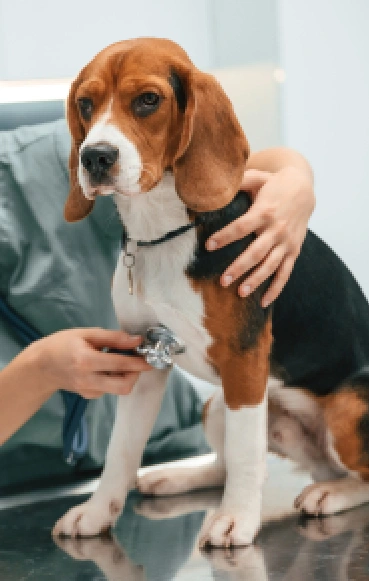
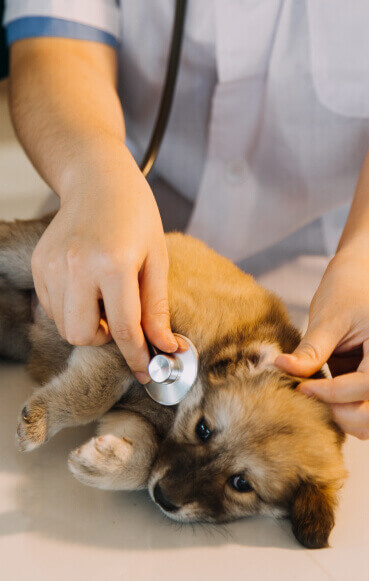
Your vet will ask about your cat's recent litter-tray habits, particularly how often they have attempted to urinate and when they last passed urine normally. They will also check for signs of pain, dehydration or other changes in your cat's general condition.
During the physical examination, the vet will gently assess the abdomen for an enlarged or painful bladder. A firm, distended bladder can raise suspicion of a urinary blockage, particularly when the cat has been unable to urinate.
If an obstruction is suspected, stabilising your cat and relieving the blockage take priority. Additional tests may be performed as part of emergency care, but should not unnecessarily delay treatment.
Urine and Blood Tests
If your cat's condition allows, urine and blood tests can provide further information about the urinary problem and its effects on their health.
A urine test can detect blood, crystals and other abnormalities that may help narrow down the possible causes. If a bacterial infection is suspected, a urine culture can identify the bacteria involved and help guide antibiotic treatment.
Blood tests can assess kidney function and electrolyte levels, which is particularly important when a urinary blockage is suspected. These results help your vet evaluate whether the obstruction has caused complications that require additional treatment.
Diagnostic Imaging
X-rays or ultrasound may be recommended to examine the bladder and urinary tract more closely. These tests can help identify bladder stones and certain other structural abnormalities that may be contributing to urinary discomfort or obstruction.
Together with the examination and laboratory results, these findings can help your vet identify the underlying cause and assess whether your cat may be prone to recurring urinary problems. This can inform longer-term care, including dietary adjustments, hydration strategies or environmental changes where appropriate, as well as helping you recognise signs of a possible recurrence.
How Is Urinary Straining Treated in Cats?
Treatment is guided by the underlying cause of urinary straining and whether urine flow has been obstructed. Cats with a blockage require emergency intervention, while those with non-obstructive urinary conditions may receive medical treatment and supportive care.
Treating the Immediate Urinary Problem
When a cat has a urinary blockage, treatment focuses on stabilising their condition and restoring urine flow. Intravenous fluids and medication may be needed to address dehydration or dangerous electrolyte imbalances.
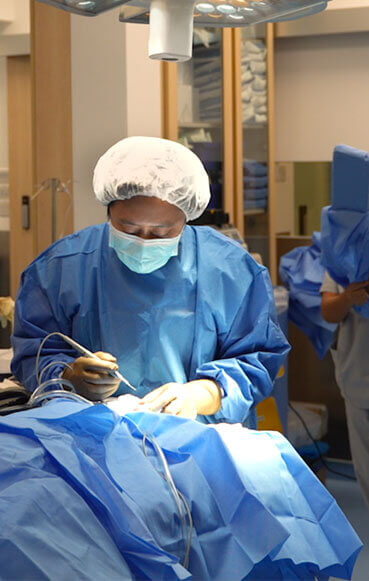
The vet will usually place a urinary catheter, a thin tube inserted through the urethra, under sedation or anaesthesia to relieve the obstruction and drain the bladder. The catheter may remain in place temporarily while the cat receives pain relief and monitoring in hospital.
For cats without a blockage, treatment varies according to the diagnosis. Feline idiopathic cystitis is generally managed with pain relief and measures to address environmental stress. Confirmed bacterial infections require appropriate antibiotics. Certain urinary stones, such as struvite stones, can sometimes be dissolved through a veterinary-prescribed diet, while others require removal procedures depending on their type and location.
Reducing the Risk of Recurrence
Some urinary conditions, particularly feline idiopathic cystitis, can cause repeated episodes of discomfort. Once the immediate problem has been treated, the vet may recommend changes to support urinary health and reduce the likelihood of further episodes.
These measures may include:
- Encouraging water intake: Offering wet food or additional fresh water sources to help maintain hydration.
- Improving litter-tray conditions: Keeping trays clean, placing them in quiet locations and providing enough accessible trays for the household.
- Reducing environmental stress: Maintaining predictable routines and providing suitable resting spaces and opportunities for play.
- Following dietary recommendations: Using a veterinary-prescribed urinary diet when appropriate, particularly for cats with certain types of urinary stones.
Seek Prompt Veterinary Care With Dr Nicholas Woo
Identifying the cause of your cat's urinary difficulties is important for determining the appropriate treatment and managing their longer-term health. With proper assessment, your vet can address the immediate problem and recommend measures to help manage conditions that may recur.
As a veterinary hospital in Singapore, Advanced VetCare provides diagnostic investigations and treatment for cats with urinary concerns, with 24-hour emergency services available at our Bedok branch. Dr Nicholas Woo, consultant vet and surgeon, leads the veterinary team in providing individualised medical and surgical care for pets with urgent or complex conditions.
If your cat is experiencing difficulty urinating, contact our team to arrange veterinary care or emergency assessment.
Frequently Asked Questions (FAQs) About Straining to Pee in Cats
How can I tell if my cat is constipated or struggling to urinate?


What does blood in my cat's urine mean?
How can I monitor urination in a multi-cat household?
What should I avoid doing if my cat cannot pee?
Meet Our Veterinarian
Dr Nicholas Woo
Consultant Vet and Surgeon
BVSc (Hons) MANZCVS (Small Animal Surgery)
Dr Nicholas Woo is a consultant vet and surgeon with advanced training in small animal surgery and oncology. His clinical interests include soft tissue surgery, orthopaedics, oncology, spinal surgery, hip replacement and critical care.
In 2017, Dr Woo founded Advanced VetCare with the aim of providing accessible, high-level veterinary care supported by modern medical facilities and round-the-clock emergency services in Singapore.
Dr Woo has also presented at numerous veterinary meetings, where he shares his knowledge and experience with fellow professionals while contributing to ongoing developments in veterinary medicine.

Advanced VetCare Veterinary Centre (Bedok) - 24Hrs Vet Clinic
26 Jln Pari Burong, Picardy Gardens, Singapore 488692 (Shophouse along Upper Changi Road)


Operating Hours: 24 Hours Daily
Advanced VetCare Veterinary Centre (Balestier)
564A Balestier Road, Singapore 329880
Opening Hours: 9am - 9pm Daily Closed on Tuesday & Public Holidays
Advanced Vetcare Veterinary Centre (Outram)
283 Outram Road, Singapore 169068 (Shophouse near Tiong Bahru)
Opening Hours: 9am - 9pm Daily Closed on Monday & Public Holidays