








Pets cannot describe pain or discomfort, so owners often rely on subtle changes in behaviour, appetite, or energy levels to gauge their health. Even attentive owners may struggle to decide whether a symptom is minor or a sign of something more serious, particularly when a pet appears outwardly stable. This uncertainty commonly leads to concern rather than complacency.
While some emergencies develop gradually, with early signs that appear mild or non-specific before worsening over time. Others are urgent from the outset, carrying an immediate risk even when no obvious external injury is present. In both cases, delays can allow hidden complications to progress rapidly.
With high-rise living, dense traffic, and everyday household hazards forming part of life in Singapore, both sudden and progressive pet emergencies are more likely, making timely access to 24-hour animal hospitals critical in preventing complications.
12 Pet Emergencies Every Owner Should Be Prepared For
The emergencies below are frequently seen in veterinary clinics across Singapore and vary in how they present. Being familiar with these scenarios helps owners recognise when a situation warrants searching for an emergency animal clinic nearby or seeking immediate care from a 24-hour veterinary service.
1. Falls From Heights
Falls from balconies, windows, or stairwells are a significant risk in Singapore due to high-rise living. Often referred to as high-rise syndrome, these incidents can result in serious internal injuries even when a pet appears alert or mobile afterwards. Lung bruising, internal bleeding, head trauma, and organ damage are common findings.
As a general guideline, falls from heights greater than two storeys, approximately seven to nine metres, are sufficient to warrant immediate assessment at an emergency vet clinic. Symptoms may worsen hours later as internal swelling or bleeding progresses, making early evaluation critical.
2. Attacks by Other Pets
Bite wounds frequently penetrate deep into muscle and soft tissue, trapping bacteria beneath the skin. Even small puncture wounds can lead to severe infection if left untreated. Injuries to the neck, chest, or abdomen are particularly dangerous due to the risk of damage to vital structures.
3. Vomiting and Loss of Appetite
Persistent vomiting combined with refusal to eat is rarely harmless. While isolated episodes may be mild, ongoing symptoms can quickly lead to dehydration, electrolyte imbalance, and worsening organ function. Common underlying causes include gastrointestinal obstruction, infection, pancreatitis, and kidney or liver disease.
4. Severe or Ongoing Bleeding
Bleeding can be more dangerous than it appears, especially when hidden beneath fur or originating from a small but deep wound. Persistent bleeding that does not slow with gentle pressure, or bleeding from the nose, mouth, or rectum, may indicate internal injury or damaged blood vessels. Even moderate blood loss can progress to shock if not treated promptly.
5. Seizures
Seizures result from abnormal electrical activity in the brain and may be caused by poisoning, metabolic disorders, organ disease, or neurological conditions. Prolonged or repeated seizures place significant strain on the brain and other vital organs and require urgent veterinary intervention.
6. Abdominal Swelling or Fluid Retention
Sudden abdominal enlargement may be caused by fluid or blood accumulation due to trauma, heart disease, organ failure, infection, or cancer. As pressure builds within the abdomen, breathing and circulation can become compromised, making this a medical emergency.
7. Road Traffic Accidents
Vehicle collisions expose pets to high-impact trauma that can affect multiple body systems. Internal bleeding, chest injury, and organ damage are common even when external wounds are minimal. Signs may worsen over time as shock and inflammation develop.
8. Penetrating Injuries
Sharp objects such as glass, metal, or sticks can cause deep tissue damage and internal injury. Entry wounds are often small, which can lead to the severity of internal trauma being underestimated without proper examination.
9. Fractures and Spinal Injuries
Broken bones and spinal injuries cause severe pain and loss of mobility. Without proper stabilisation, pets are at risk of permanent nerve damage, paralysis, or long-term disability.
10. Ingestion of Poison
Pets may ingest toxic foods, medications, plants, pesticides, or rodenticides. Many poisons cause progressive damage to the liver, kidneys, blood cells, or nervous system, with effects that may worsen over hours or days.
11. Difficulty Giving Birth
Dystocia refers to abnormal or difficult labour in pregnant dogs and is considered a serious emergency. It occurs when a dog is unable to deliver her puppies naturally without assistance. Warning signs include prolonged labour without delivery, long intervals between puppies, weak or unproductive contractions, or visible distress. Delayed intervention places both the mother and puppies at significant risk.
12. Difficulty Breathing
Breathing difficulty may involve the airway, lungs, or chest wall. Laboured breathing, open mouth panting, gagging, or sudden collapse are all signs of inadequate oxygen delivery. Even short periods of oxygen deprivation can cause lasting organ damage.
Next Steps: What You Should Do During a Pet Emergency
When a pet shows signs of a medical emergency, staying calm and limiting unnecessary movement can help prevent further injury, particularly in cases involving trauma or breathing difficulty. Keep your pet in a quiet, secure environment while you assess the situation.
Avoid giving food, water, or medication unless advised by a veterinarian, as this may interfere with treatment or worsen certain conditions. If bleeding is present, gentle pressure may help slow blood loss while you prepare to seek care.
Contact an emergency animal clinic as soon as possible for guidance and arrange transport promptly. If available, provide the clinic with details such as recent symptoms, known exposures, or the timing of the incident, as this information can assist the veterinary team in preparing for your arrival.
What You Can Expect at the Emergency Vet Clinic
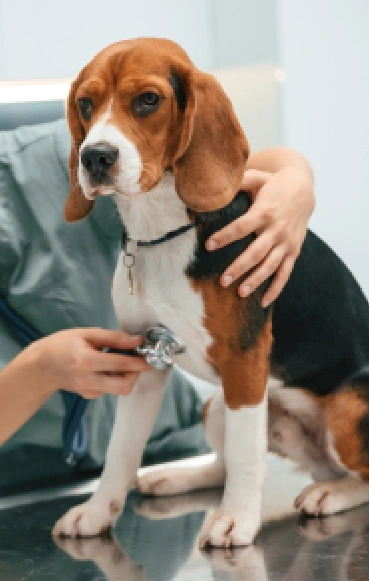
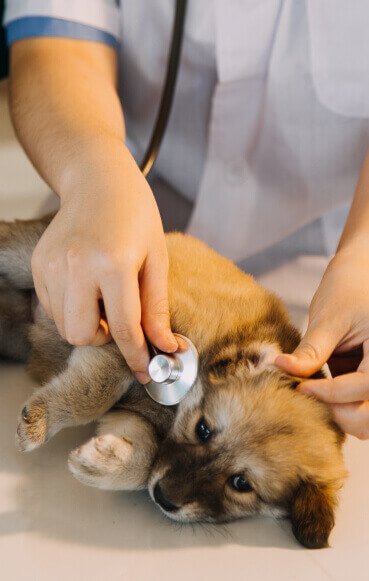
On arrival at an emergency vet clinic, cases are assessed and prioritised based on severity rather than arrival time. This triage process ensures that pets with life-threatening conditions receive immediate attention, while those who are more stable are carefully monitored until they can be seen.
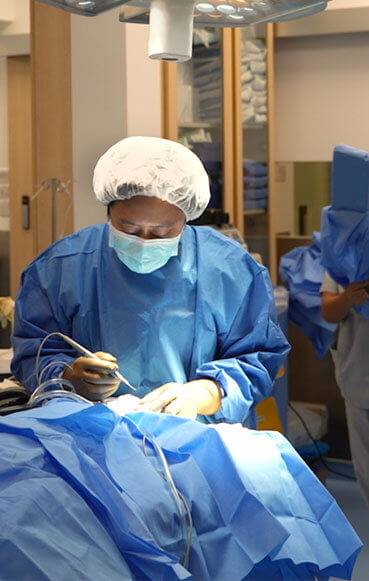
Initial care focuses on stabilising your pet and relieving discomfort. Depending on the situation, this may include oxygen support, pain management, wound care, or intravenous fluids. Diagnostic tests such as blood work, imaging, or ultrasound are often recommended to help identify internal injuries or underlying disease and guide appropriate treatment.
Once your pet is stable, the veterinary team will take time to explain their findings, outline treatment options, and discuss what to expect moving forward. Clear communication at this stage helps owners feel informed and supported while making decisions about ongoing care or hospitalisation.
Get Access to Emergency Veterinary Care at Advanced VetCare
Pet emergencies can take many forms, from obvious trauma to subtle changes that mask serious internal problems. Understanding how these situations present, what immediate steps to take, and what to expect at an emergency vet clinic helps owners respond with greater confidence. With environmental factors such as high-rise living and dense traffic affecting pets in Singapore, timely access to professional veterinary care plays an important role in reducing complications and supporting recovery.
Advanced VetCare provides emergency and critical care services for pets in Singapore, with facilities equipped to support assessment, stabilisation, and ongoing monitoring when urgent medical attention is needed. Led by Dr Nicholas Woo, the team offers clear guidance to help owners make informed decisions during stressful situations. Book an appointment at our vet clinic or call us directly at +65 6636 1788 to arrange an emergency appointment when immediate veterinary assessment is needed.

Bedok (24 Hrs Vet Clinic)
26 Jln Pari Burong, Picardy Gardens, Singapore 488692 (Shophouse along Upper Changi Road)


Operating Hours: 24 Hours Daily
Balestier (Vet Clinic)
564A Balestier Road, Singapore 329880
Opening Hours: 9am - 9pm Daily Closed on Tuesday & Public Holidays