







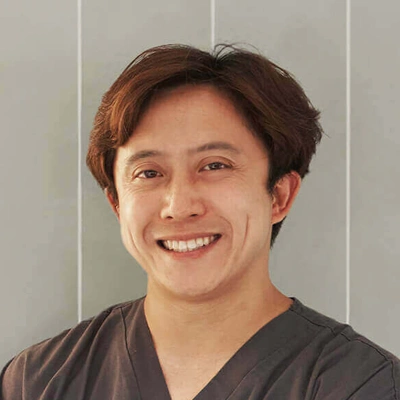
BVSc (Hons), MANZCVS (Small Animal Surgery)
If your dog has been scheduled for orthopaedic surgery, preparing in advance can make the process more manageable for both you and your pet. This applies whether your dog is facing a joint injury, degenerative joint disease, or hip dysplasia.
Orthopaedic surgery for dogs focuses on treating problems affecting the bones, joints, tendons, muscles, and cartilage to improve comfort and movement. It is commonly performed for ligament injuries, fractures, and elbow disorders when non-surgical management is no longer effective.
While modern orthopaedic procedures are safer and more predictable than ever, thoughtful preparation before surgery still plays an important role. Taking the right steps ahead of time helps support smoother healing, reduces stress, and contributes to better long-term mobility outcomes.
Why Preparation Matters Before Orthopaedic Surgery
Proper preparation before your pet’s orthopaedic surgery helps set the stage for a smoother procedure and a more manageable recovery. Adjusting routines, reducing unnecessary strain on injured joints, and making environmental changes in advance all help minimise stress on the body before surgery takes place.
Good preparation also makes it easier for dogs to adapt to post-operative restrictions, such as reduced activity or crate rest, which can otherwise be challenging if introduced suddenly. By planning ahead and following veterinary guidance, you help support healing, reduce the risk of complications, and improve your dog’s comfort and long-term mobility outcomes.
Physical Preparation Before Surgery
Preparing your dog physically before orthopaedic surgery helps reduce unnecessary strain on injured joints and allows the body to enter surgery in a more stable condition. Small adjustments made in the weeks leading up to the procedure can make it easier for your dog to cope with both the surgery itself and the activity restrictions that follow.
Begin modifying your dog’s activity level well before surgery to protect affected joints and ease the transition to post-operative rest. Reducing high-impact activities such as running, jumping, and rough play helps minimise stress on injured areas. Gradually introducing crate rest using positive reinforcement can also help your dog become more comfortable with periods of confinement. At the same time, close supervision during play reduces the risk of sudden movements that could worsen existing injuries. For dogs with hip dysplasia, these adjustments are particularly important to help limit pain and joint strain before surgery.
In selected cases, your veterinary orthopaedic or rehabilitation team may recommend gentle conditioning exercises before surgery to help maintain muscle strength and joint support. These exercises often focus on core stability, balance, and controlled weight-bearing and may be incorporated into daily routines, such as feeding times, to support consistency while preparing your dog for recovery.
Preparing Your Home for a Safe Recovery
Making changes to your home before your dog’s orthopaedic surgery helps create a safer and more supportive environment once they return home. Planning ahead reduces the risk of slips, falls, and unnecessary strain during the early recovery period, when movement may be limited and balance reduced.
Simple adjustments can make a meaningful difference. Laying non-slip mats or rugs along commonly used walkways helps improve traction, while blocking access to stairs and slippery areas reduces the chance of falls. Setting up a quiet rest area with easy access to food and water allows your dog to settle comfortably, and ensuring they do not need to jump onto sofas or beds helps prevent additional stress on healing joints.
Having these arrangements in place before surgery allows you to focus fully on your dog’s care after the procedure, without the added pressure of making changes while managing post-operative needs.
Managing Activity and Mental Stimulation Before Surgery
When physical activity needs to be reduced before orthopaedic surgery, managing how your dog uses their energy becomes just as important as limiting movement. Sudden drops in activity can lead to restlessness, frustration, or anxiety, especially for dogs that are normally active.
While high-impact exercise should be avoided, maintaining a predictable daily routine helps your dog feel secure during this adjustment period. Short, controlled movements combined with appropriate rest support joint protection without causing unnecessary stress. Clear boundaries around play and movement also make it easier for your dog to adapt to the stricter activity restrictions that may be required after surgery.
Mental stimulation plays a key role during this phase. Low-movement enrichment activities such as food-based challenges, puzzle-style games, and calm training exercises help keep your dog engaged without placing strain on injured joints. These activities provide mental challenge, encourage calm behaviour, and support emotional well-being when physical outlets are limited.
By managing both activity and mental engagement before surgery, you help reduce anxiety, support behavioural stability, and prepare your dog for the quieter recovery period after orthopaedic surgery.
Planning for Orthopaedic Surgery at Advanced Vetcare
Preparing your dog for orthopaedic surgery involves more than marking a date on the calendar. By adjusting routines early, supporting physical condition, creating a safe home environment, and managing both activity and mental stimulation, you help reduce stress and protect injured joints before surgery takes place. These practical steps make it easier for your dog to adapt to necessary restrictions and enter surgery in a more stable state, laying the groundwork for smoother healing, improved comfort, and better long-term mobility outcomes.
At Advanced Vetcare, we guide pet owners through every stage of orthopaedic care, from pre-surgery preparation to post-operative planning. Led by Dr Nicholas Woo, our team provides clear recommendations tailored to your dog’s condition and lifestyle, helping you feel better prepared for the procedure ahead. Arrange an appointment with our vet clinic to discuss your dog’s upcoming orthopaedic surgery and the best steps to take beforehand.
Bedok (24 Hrs Vet Clinic)
26 Jln Pari Burong, Picardy Gardens, Singapore 488692 (Shophouse along Upper Changi Road)


Operating Hours: 24 Hours Daily
Balestier (Vet Clinic)
564A Balestier Road, Singapore 329880
Opening Hours: 9am - 9pm Daily Closed on Tuesday & Public Holidays