

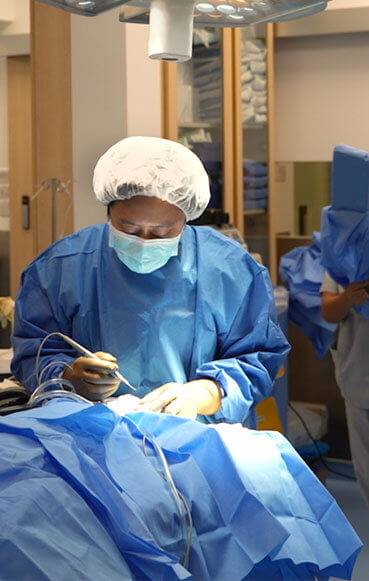

TEER Procedure in Singapore for Dogs with Mitral Valve Disease

Mitral valve disease can gradually affect your dog's heart function and overall wellbeing, potentially leading to long-term health effects. In order to treat this condition, veterinary surgeons may recommend TEER surgery for certain dogs with advanced mitral valve disease, allowing them to restore heart function and quality of life.
What Is Myxomatous Mitral Valve Disease (MMVD)?
Myxomatous Mitral Valve Disease (MMVD) is a degenerative heart condition, particularly affecting older, small breeds, such as the Cavalier King Charles Spaniel, Dachshund and Miniature Poodle. The disease weakens the mitral valve, allowing blood to leak backwards from the heart into the lungs—a problem called mitral valve regurgitation. This backflow forces the heart to work harder to circulate oxygenated blood, gradually enlarging the heart and straining its capacity. If left untreated, it can lead to Congestive Heart Failure (CHF).
Diagnosis is usually confirmed through echocardiography, which provides detailed images of the heart’s structure and performance. While MMVD cannot be cured, early detection and proper management can slow its progression and help maintain a better quality of life.
In advanced cases, minimally invasive options such as the TEER procedure may be considered, providing a way to improve heart function without open-heart surgery.
What Is Transcatheter Edge-to-Edge Repair (TEER) Surgery?
Transcatheter Edge-to-Edge Repair (TEER) Surgery is a minimally invasive procedure used to treat dogs with MMVD and severe blood backflow in the heart.
During TEER surgery, a specialised V-Clamp device is delivered to the beating heart through a catheter and positioned to bring the mitral valve leaflets closer together. This improves valve closure, reduces blood leaking backwards through the valve and allows the heart to pump more efficiently.
Unlike conventional open-heart mitral valve repair, TEER is performed using a catheter-based approach, without opening the chest or using cardiopulmonary bypass, making it a less invasive treatment option for selected dogs.
Benefits of TEER Procedure for Dogs
The TEER procedure offers new hope for dogs suffering from stage B2 or early-stage C mitral valve disease. It also has a high success rate once the procedure is completed. Other benefits of the TEER procedure may include:
Minimally Invasive
TEER requires only a small surgical opening between the ribs. Through this access point, the catheter and device are placed directly into the heart to correct the faulty valve. By avoiding a full chest opening, surgical trauma is minimised, reducing the need for post-op medications and lowering the risks linked to major surgery.
Shorter Recovery
Most dogs recover much faster after TEER compared to open-heart surgery, with many able to go home within 2–3 days. Since the procedure involves only a small incision and minimal tissue disruption, pets typically regain mobility and comfort sooner, making recovery smoother and less stressful for both dogs and their owners.
Long-Term Heart Health
TEER reduces the stress placed on the heart, helping to slow the progression of heart enlargement and heart failure. On average, mitral regurgitation is reduced by 50–90%, though individual results vary depending on valve structure and disease progression. With consistent medical management and follow-up care, dogs can maintain more stable heart function and enjoy a reduced risk of sudden decline.
Improved Lifespan
When cardiac stress is controlled and symptoms are well-managed, dogs with MMVD can live longer, more comfortable lives. Beyond extending lifespan, TEER supports better day-to-day well-being, allowing your dog to stay active, alert, and connected with the family they love.
If your dog is struggling with heart symptoms, contact us to schedule a consultation and see if TEER treatment can help your beloved companion enjoy a healthier, more active life.
Book an AppointmentIs My Dog Suitable for TEER Surgery?
TEER surgery is not suitable for every dog with mitral valve disease. Before recommending the procedure, our veterinary team will assess your dog's stage of heart disease, overall health and mitral valve anatomy to determine whether the procedure can be performed safely and is likely to provide meaningful benefit.
In general, dogs who may be suitable for TEER surgery are those who:
- Have been diagnosed with MMVD stage B2 or early stage C.
- Have significant mitral valve leakage with heart enlargement or early signs of heart failure.
- Weigh between 4–15 kg.
- Are otherwise healthy enough to undergo general anaesthesia and the procedure.
Which Dogs May Not Be Suitable for TEER?
Some dogs may not be suitable candidates for TEER surgery because the procedure may not be technically feasible or may offer limited clinical benefit. This may include dogs who:
- Have advanced late-stage C or stage D heart disease.
- Have atrial fibrillation, where confirmed by the attending veterinarian.
- Have mitral valve anatomy that does not allow safe placement of the V-Clamp device.
- Have other medical conditions that significantly increase the risks associated with anaesthesia or recovery.
The final decision is made after a comprehensive evaluation, including echocardiography and other pre-procedure assessments, to determine whether TEER is the most appropriate treatment option for your dog.
How the TEER Procedure Works
Pre-Procedure Evaluation
Before the procedure, your dog will undergo a comprehensive evaluation to confirm that TEER is appropriate. This typically includes a physical examination, blood tests, chest imaging and echocardiography to assess heart function, mitral valve anatomy and overall health, allowing the surgical team to plan the procedure safely.
Anaesthesia and Procedural Monitoring
On the day of the procedure, your dog is placed under general anaesthesia and monitored continuously throughout surgery. Heart rhythm, blood pressure, oxygen levels and other vital signs are closely observed by the anaesthesia and cardiology teams to maintain safety during the procedure.
Catheter-Guided Valve Repair
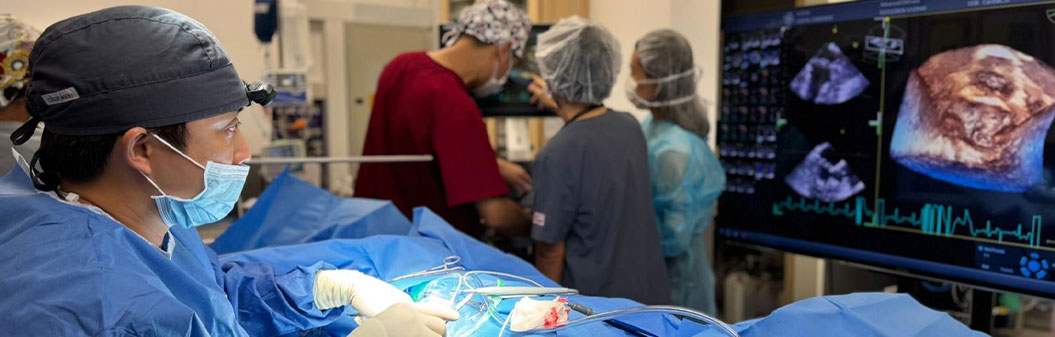
Using real-time transoesophageal echocardiography and fluoroscopy, the surgical team guides a catheter to the mitral valve through a small surgical opening. This allows the procedure to be performed on the beating heart without the need for cardiopulmonary bypass or conventional open-heart surgery.
V-Clamp Placement and Completion
A small device called a V-Clamp is delivered through the catheter and positioned to grasp the valve leaflets. The procedure typically takes 60–80 minutes.
Once the repair is complete, the catheter is withdrawn, and the small incision is closed. Your dog will then be transferred to a critical care unit for close monitoring during recovery.
Immediate Post-Procedure Care
Following the procedure, your dog is transferred to the Intensive Care Unit (ICU) for close monitoring. The veterinary team monitors heart function, blood pressure, breathing and recovery from anaesthesia while assessing the success of the repair and managing any immediate post-operative needs.
Recovery and Follow-Up After the TEER Procedure
Recovery continues after your dog leaves the operating theatre. Regular monitoring, medication management and follow-up assessments help ensure the mitral valve continues to function well and that your dog recovers safely over the weeks following surgery.
The First 24 to 72 Hours
Most dogs remain hospitalised for 1–3 days after TEER surgery. During this period, our team closely monitors heart function, breathing, blood pressure, pain control and the position of the V-Clamp while providing supportive care as needed.
Home Care After Discharge
Once discharged, your dog should rest in a calm environment with restricted activity. Medications should be given exactly as prescribed, and owners should monitor their dog's appetite, breathing, energy levels and incision site during recovery.
Warning Signs to Watch For
Contact your veterinarian promptly if your dog develops difficulty breathing, persistent coughing, collapse, loss of appetite, excessive lethargy, swelling around the incision or any sudden worsening of their condition.
Follow-Up Assessments
Follow-up appointments typically include physical examinations, medication reviews and repeat echocardiography to assess heart function, confirm the V-Clamp remains well positioned and monitor your dog's long-term recovery.
Potential Risks or Complications of TEER in Dogs
Although the TEER procedure has shown encouraging success in managing mitral valve disease, it still carries certain risks, as with any medical intervention. Possible complications include:
- Clamp Detachment - One of the most significant complications is the detachment of the clamp used to repair the valve. If this occurs, particularly within the first 72 hours after surgery, it can be life-threatening.
- Bleeding and Infection - Like any surgical procedure, this one carries risks such as bleeding during or after the operation, infection at the incision site or irregular heart rhythms.
- Pneumothorax - A build-up of air in the chest cavity might occur following surgery, which requires prompt medical attention.
- Device-Related Issues - In some cases, the mitral valve may not close completely after the procedure, although this is typically identified during the immediate post-operative imaging.
Why Choose Advanced VetCare for TEER Procedure
When it comes to treating mitral valve disease, having the right expertise matters just as much as the technology used. At Advanced VetCare, the Transcatheter Edge-to-Edge Repair (TEER) procedure is led by Dr. Nicholas Woo, a highly experienced veterinarian specialising in complex cardiac procedures.
Dr Woo brings together years of clinical practice with specialised training in both Australia and Singapore. Known for his precision and compassionate care, he has successfully performed numerous TEER procedures—helping many dogs regain their vitality and enjoy more time with their families.
If your dog has been diagnosed with MMVD or is showing signs such as fatigue, weakness, or fainting, don’t wait. Speak with us to find out if the TEER procedure is the right option for your pet.
Consult Our Specialist TodayFrequently Asked Questions About TEER Surgery
How does TEER’s V-Clamp work?


How long will my dog live after TEER?
Will my dog still need heart medication after TEER?
What happens if TEER isn’t successful?
How much does the TEER procedure cost for dogs?
Are there alternative treatments for dogs with the same heart condition?
What tests are needed before a TEER procedure?
How long does TEER recovery take for dogs?
Can my regular vet refer my dog for Mitral TEER?

MinimallyInvasive

ImprovedQuality of Life

ProactiveCare