







BVSc (Hons) MANZCVS (Small Animal Surgery)
Dogs and cats both naturally have slight or gradual weight changes throughout their lives, and many pet owners assume that a healthy appetite means their animal is otherwise well. However, unexplained weight loss can be an early sign of an underlying medical condition and should not be ignored.
Understanding the possible causes and knowing when to consult a vet in Singapore can help your pet receive timely diagnosis and treatment.
Is It Normal for Pets to Lose Weight Despite Eating Normally?
While minor weight gain and loss can occur with changes in activity level, age or diet, persistent, unexplained or significant weight loss in a relatively short time frame despite a normal appetite is generally not considered normal. Body weight depends on more than simply how much food a pet eats. Some medical conditions prevent nutrients from being absorbed effectively, while others increase the body's energy requirements or alter how nutrients are used.
Signs Not to Ignore
Weight loss is often easier to recognise when it occurs alongside other changes in your pet's health or behaviour. Seek veterinary advice promptly if your pet experiences:
- Progressive or unexplained weight loss
- A noticeably increased appetite without weight gain
- Muscle loss around the hips, spine or shoulders
- Increased thirst or urination
- Vomiting or persistent diarrhoea
- Reduced energy levels or exercise tolerance
- Changes in coat quality
- Behavioural changes such as hiding, restlessness or reduced interaction
Do not delay a veterinary assessment if the weight loss is rapid or accompanied by signs such as persistent vomiting or diarrhoea, increased thirst or urination, lethargy, difficulty breathing, blood in the vomit or stool, collapse, weakness or noticeable abdominal swelling. These may point to a more serious condition requiring urgent veterinary attention, and early diagnosis can help treatment begin before complications develop.
What Medical Conditions Can Cause Weight Loss Despite Eating Normally?
A wide range of medical conditions may cause weight loss even when a pet continues to eat normally. Some affect metabolism, while others interfere with digestion or place increased demands on the body. A veterinary examination is needed to determine the underlying cause.
Diabetes Mellitus
Develops when an animal's body does not produce enough insulin to regulate blood sugar. Without enough insulin, glucose cannot be used effectively for energy, so the body begins breaking down fat and muscle instead.
Many diabetic pets also drink more water than usual, urinate more frequently and may become increasingly lethargic.
Hyperthyroidism
Excess thyroid hormone speeds up metabolism, causing affected cats to burn calories more quickly and lose weight despite eating well.
Hyperthyroidism is common in older cats and is often associated with increased appetite and thirst, hyperactivity, increased vocalisation, vomiting and changes in coat condition.
Exocrine Pancreatic Insufficiency (EPI)
EPI is more common in dogs. It occurs when the pancreas does not produce enough digestive enzymes to properly break down food. Other common signs include frequent bowel movements, pale or greasy stools, increased flatulence and poor coat quality.
Intestinal Disorders
Diseases affecting the digestive tract can reduce nutrient absorption, leading to gradual weight loss despite a normal appetite. Conditions such as inflammatory bowel disease, chronic intestinal inflammation and other gastrointestinal disorders may gradually lead to weight loss.
Some pets also gradually develop intermittent vomiting, diarrhoea, soft stools or increased flatulence.
Intestinal Parasites
Parasites such as intestinal worms compete for nutrients within the digestive tract or damage the intestinal lining, reducing nutrient absorption. Puppies and kittens are particularly susceptible, although adult pets can also be affected.
Chronic Organ Disease
Ongoing conditions affecting the kidneys, liver or heart can gradually reduce the body's ability to process nutrients and maintain energy balance, leading to progressive weight loss over time. As these conditions advance, changes in appetite, thirst, energy levels or coat condition may also become noticeable.
Cancer
Certain cancers increase the body's metabolic demands or interfere with normal digestion and nutrient utilisation. As disease progresses, appetite often declines and additional clinical signs may develop depending on the organs involved.
How Will a Vet Determine the Cause?
Because many different diseases can produce similar symptoms, diagnosing the underlying cause requires a systematic approach.
Physical Examination
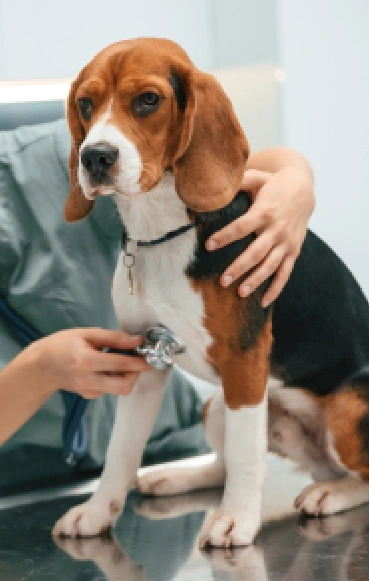
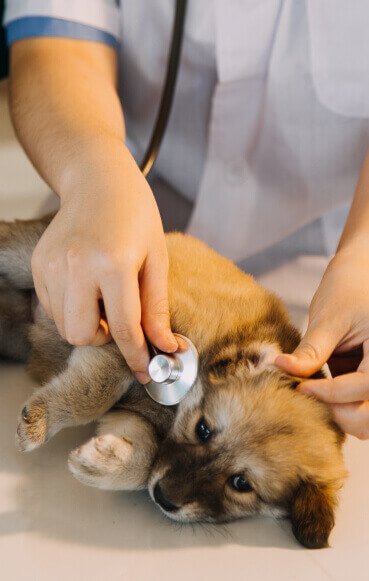
The consultation begins with a thorough physical examination. Your vet will assess your pet's body weight, body condition score and muscle condition, while also examining the heart, lungs, abdomen, mouth and lymph nodes. This helps identify signs that may point to the underlying condition.
Medical History
A detailed history provides valuable clues that cannot always be identified during a physical examination. Your vet may ask about:
- Appetite and diet
- Rate of weight loss
- Water consumption
- Urination habits
- Vomiting or diarrhoea
- Activity levels
- Current medications
- Previous illnesses
- Parasite prevention
- Recent changes at home
Combining this information with examination findings helps narrow the list of possible causes.
Diagnostic Tests
Your vet may recommend further investigations to confirm a diagnosis. Depending on your pet's symptoms, these may include blood tests, urinalysis, faecal examination, X-rays, ultrasound or additional endocrine testing.
These tests help assess organ function, identify parasites or hormonal disorders and detect abnormalities not found during the physical examination.
Get to the Root Cause of Your Pet's Weight Loss With Advanced VetCare
Pets cannot tell us when something is wrong, making unexplained weight loss an important warning sign that owners can easily detect. Early assessment helps identify underlying conditions before they worsen.
As a 24-hour vet clinic in Singapore, Advanced VetCare can provide thorough veterinary assessments to investigate unexplained weight loss and recommend appropriate treatment based on your pet's individual needs.
Dr Nicholas Woo takes the time to evaluate your pet's symptoms, perform the necessary investigations and develop a treatment plan tailored to their condition.
If your pet has been losing weight despite eating normally, get in touch with us to arrange a comprehensive veterinary assessment. You may also find our guide to everyday pet care helpful for spotting changes early.
Frequently Asked Questions (FAQs) About Pet Weight Loss
Can stress or anxiety cause my pet to lose weight even if they are eating?


How can I tell if my pet is losing muscle rather than body fat?
Should I try feeding my pet more if they are losing weight?
About Us
Dr Nicholas Woo
Consultant Vet and Surgeon
BVSc (Hons) MANZCVS (Small Animal Surgery)
Dr Nicholas Woo is a consultant vet and surgeon with advanced training in small animal surgery and oncology. His clinical interests include soft tissue surgery, orthopaedics, oncology, spinal surgery, hip replacement and critical care.
In 2017, Dr Woo founded Advanced VetCare with the aim of providing accessible, high-level veterinary care supported by modern medical facilities and round-the-clock emergency services in Singapore.
Dr Woo has also presented at numerous veterinary meetings, where he shares his knowledge and experience with fellow professionals while contributing to ongoing developments in veterinary medicine.

Advanced VetCare Veterinary Centre (Bedok) - 24Hrs Vet Clinic
26 Jln Pari Burong, Picardy Gardens, Singapore 488692 (Shophouse along Upper Changi Road)


Operating Hours: 24 Hours Daily
Advanced VetCare Veterinary Centre (Balestier)
564A Balestier Road, Singapore 329880
Opening Hours: 9am - 9pm Daily Closed on Tuesday & Public Holidays
Advanced Vetcare Veterinary Centre (Outram)
283 Outram Road, Singapore 169068 (Shophouse near Tiong Bahru)
Opening Hours: 9am - 9pm Daily Closed on Monday & Public Holidays