


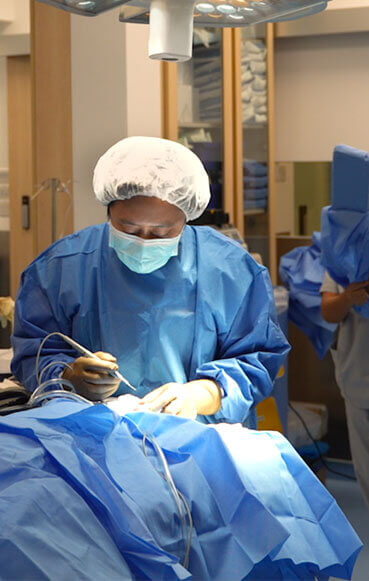


BVSc (Hons) MANZCVS (Small Animal Surgery)
Unusual changes in a dog’s eating and drinking habits can be worrying for owners, particularly when they occur without an apparent cause or persist for an extended period. Sometimes, a loss of appetite can result from temporary factors such as stress or mild digestive discomfort. But in other cases, it could be an early sign of an underlying health condition.
Understanding why your dog may stop eating while continuing to drink water can help you recognise potential warning signs and determine when veterinary attention is needed.
What Can Cause a Dog to Lose Its Appetite?
A dog may continue drinking water despite refusing food because hunger and thirst are regulated differently. Changes in appetite can arise from behavioural, physical or medical factors, some of which affect a dog's ability to eat, while others reduce their desire for food. At the same time, these factors may not cause discomfort while drinking.
Stress and Environmental Changes
Changes in a dog's surroundings or daily routine, such as moving to a new home, receiving unfamiliar visitors or switching to a different food, can temporarily affect their appetite. Some dogs may eat less when anxious or unsettled, although their usual drinking habits remain unchanged.
Dental Problems and Physical Discomfort
Dental disease, mouth injuries or other oral problems can make chewing painful, while not affecting drinking. Nausea, digestive illness or pain elsewhere in the body can also reduce a dog’s appetite without necessarily affecting their willingness to drink water.
Underlying Medical Conditions
Illnesses affecting internal organs, including kidney or liver disease, can reduce a dog's appetite. Certain conditions may also cause increased thirst, meaning a dog could be drinking more than usual despite eating less. These changes warrant veterinary assessment to identify the underlying cause.
What Should You Look for When Your Dog Is Not Eating but Still Drinking?
If your dog has lost interest in food, it helps to keep an eye on their other habits and behaviour. Changes in how much they eat or drink, along with any new symptoms, can provide useful clues about what might be wrong. Sharing these observations with your veterinarian can also help them assess the possible cause.
Some changes to look out for include:
- Changes in appetite: Note whether your dog is eating smaller portions, accepting treats but refusing regular meals or avoiding food entirely. Record when they last ate normally and whether the change was sudden or gradual.
- Behaviour around food: Watch whether your dog approaches their food but struggles to chew, drops food from their mouth or walks away without even attempting to eat.
- Increased water intake: Look for more frequent visits to the water bowl, noticeably larger amounts consumed or the need to refill it more often. You can measure their daily water intake, but should never restrict access to water.
- Changes in urination: Pay attention to more frequent urination, larger amounts of urine or unusual incontinence indoors.
- Other physical or behavioural changes: Watch for vomiting, diarrhoea, lethargy, signs of pain or unusual changes in behaviour.
When Should a Dog That Is Drinking but Not Eating See a Vet?
A dog continuing to drink water does not necessarily mean that their loss of appetite is harmless. Veterinary attention may be needed depending on how long they have refused food, whether they can still drink normally and whether other concerning symptoms are present.
Persistent Refusal to Eat
A healthy adult dog missing a single meal while otherwise behaving normally may not require emergency treatment. However, if your dog has eaten nothing for around 24 hours, contact a veterinarian for advice rather than continuing to wait for their appetite to return.
Puppies, senior dogs and those with existing medical conditions may require earlier assessment. This is particularly important for dogs with diabetes, as missed meals can complicate blood sugar management and medication schedules.
Refusal to Drink Water
If your dog stops drinking water altogether, seek veterinary advice promptly, particularly if they are also refusing food. Inadequate fluid intake can lead to dehydration, and the risk increases if your dog is experiencing vomiting, diarrhoea or other fluid losses.
Signs of dehydration may include dry or sticky gums, sunken eyes and unusual weakness. Do not wait for these signs to develop before contacting a veterinarian, as a dog that is unable or unwilling to drink may require medical attention to maintain adequate hydration.
Showing Symptoms Requiring Emergency Veterinary Care
Some symptoms warrant immediate veterinary attention regardless of how long your dog has been refusing food. These include:
- Repeated vomiting or inability to keep water down, which can quickly lead to dehydration.
- Severe weakness, collapse or unresponsiveness, which may indicate a serious underlying problem.
- Difficulty breathing, particularly if accompanied by distress or unusual weakness.
- A swollen or painful abdomen, especially with repeated unsuccessful attempts to vomit, which may indicate a life-threatening emergency.
- Suspected poisoning, even if severe symptoms have not yet developed.
If your dog displays these signs, seek emergency veterinary care immediately.
Seeking Timely Veterinary Care for Changes in Your Dog’s Appetite
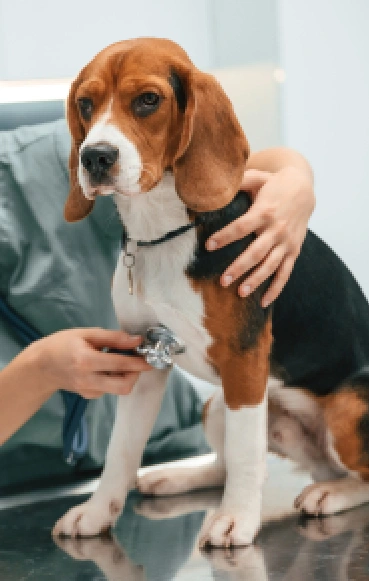
If your dog is struggling to eat, the priority should be understanding what is affecting their appetite and what can be done to help them feel better. A veterinary assessment can identify problems that are difficult to recognise at home and determine whether treatment or further monitoring is needed.
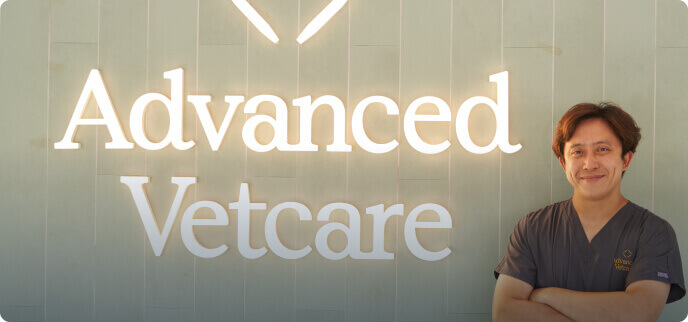
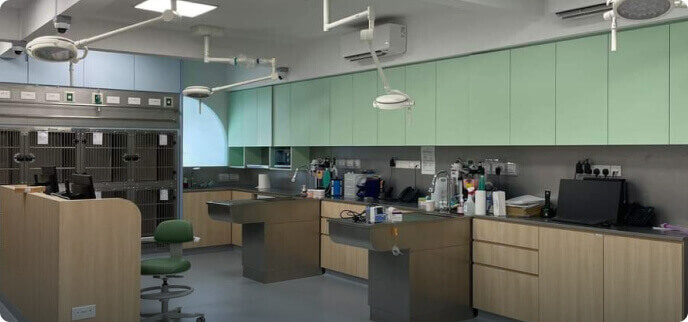
At Advanced Vetcare, Consultant Vet and Surgeon Dr Nicholas Woo can assess your dog's condition, investigate possible underlying causes and recommend suitable care. Our clinical services include internal medicine, diagnostic testing and 24-hour emergency care for dogs requiring urgent attention.
If your dog continues to refuse food, shows unusual changes in thirst or develops other concerning symptoms, contact our clinic to arrange a consultation.
FAQs About Dogs Not Eating but Still Drinking Water
Should I offer my dog a different food if they refuse their usual meal?


Is it safe to add broth or food toppers to encourage my dog to eat?
Should I force-feed my dog if they have stopped eating?
Should I continue giving my dog medication if they are not eating?
Meet Our Veterinarian
Dr Nicholas Woo
Consultant Vet and Surgeon
BVSc (Hons) MANZCVS (Small Animal Surgery)
Dr Nicholas Woo is a consultant vet and surgeon with advanced training in small animal surgery and oncology. His clinical interests include soft tissue surgery, orthopaedics, oncology, spinal surgery, hip replacement and critical care.
In 2017, Dr Woo founded Advanced Vetcare with the aim of providing accessible, high-level veterinary care supported by modern medical facilities and round-the-clock emergency services in Singapore.
Dr Woo has also presented at numerous veterinary meetings, where he shares his knowledge and experience with fellow professionals while contributing to ongoing developments in veterinary medicine.

Advanced VetCare Veterinary Centre (Bedok) - 24Hrs Vet Clinic
26 Jln Pari Burong, Picardy Gardens, Singapore 488692 (Shophouse along Upper Changi Road)


Operating Hours: 24 Hours Daily
Advanced VetCare Veterinary Centre (Balestier)
564A Balestier Road, Singapore 329880
Opening Hours: 9am - 9pm Daily Closed on Tuesday & Public Holidays
Advanced Vetcare Veterinary Centre (Outram)
283 Outram Road, Singapore 169068 (Shophouse near Tiong Bahru)
Opening Hours: 9am - 9pm Daily Closed on Monday & Public Holidays