








BVSc (Hons), MANZCVS (Small Animal Surgery)
Our dogs and cats bring so much joy through the way they move through the world. They leap after toys, race across rooms and climb with confidence, often with little awareness of physical limits. This natural playfulness is part of what makes them such cherished companions, but it can also place their bodies at risk. When a bone breaks, the impact can be sudden, painful and deeply concerning for owners.
When a fracture occurs, the priority is not only pain relief but restoring strength, alignment and function to the affected limb. Advances in veterinary orthopaedics mean there are now multiple treatment options available, each chosen based on the type of fracture, the pet’s size, age and overall health. Understanding how fractures are assessed and repaired helps owners make informed decisions and supports better long-term outcomes for dogs and cats.
How to Spot a Sudden Fracture in Your Pet
A fracture is not always obvious at first, particularly if there is no open wound. Some pets may continue moving despite pain, while others may become withdrawn or unusually quiet. Subtle changes in movement, posture or behaviour are often the first signs that something is wrong.
Common indicators of a possible fracture include limping, refusal to bear weight on a limb, swelling, or an abnormal angle of the leg or paw. You may also notice crying, yelping or signs of distress when the area is touched. In some cases, pets may hide, stop eating or show uncharacteristic aggression due to pain.
Some fractures present with clear warning signs that require urgent veterinary attention. Visible bone, significant bleeding or sudden collapse indicate a serious injury and should be treated as an emergency. If a fracture is suspected, restrict your pet’s movement and arrange veterinary assessment promptly to prevent further injury and support appropriate treatment.
First Aid for Broken Bones in Pets
If you suspect your pet has a broken bone, limit handling and avoid unnecessary movement. Here are the immediate steps to take if you suspect your pet has a broken bone:
Step 1: Secure and Stabilise
Gently lay your pet on a flat, solid surface and remove any immediate obstructions or hazards from the area. If there is an open wound, apply direct pressure with a clean cloth or sterile gauze to control any bleeding.
Step 2: Prevent Movement
Keep your pet still to help prevent further damage. Avoid straightening the injured limb or pushing any exposed bone back into place. Leave splinting or casting to your veterinarian, as incorrect support can worsen the injury.
Step 3: Prepare for Transport
Do not give your pet any food or water, as they may need anaesthesia. Use a carrier, board or firm blanket to support your pet while moving them. Keep the injured area as still as possible and take your pet to the nearest veterinary clinic.
Remember, quick action can significantly influence your pet’s recovery. If your pet is bleeding heavily, unable to stand or in severe pain, prompt care at a 24-hour veterinary clinic is recommended.
Diagnosis and Treatments for Pet Bone Fractures
Accurate diagnosis and appropriate treatment are essential for proper bone healing and long-term mobility. Veterinarians assess both the injury itself and its impact on surrounding tissues before deciding on the most suitable treatment approach.
Diagnosis Methods for Bone Fractures
Diagnosis begins with a physical and orthopaedic examination to assess limb alignment, joint movement, pain response and overall stability. Nerve function is also checked to determine whether the injury has affected sensation or muscle control.
Imaging is used to confirm the fracture and assess its severity. X-rays are the most common diagnostic tool and provide a clear view of the broken bone. In complex cases, or when soft tissue damage is suspected, additional imaging such as CT scans or ultrasound may be recommended.
Treatment Options for Bone Fractures
Treatment depends on factors such as your pet’s age, size and the location and complexity of the fracture. Simple or stable fractures may be treated with casts or splints to support alignment while the bone heals. Strict rest is usually required to limit movement and prevent further injury.
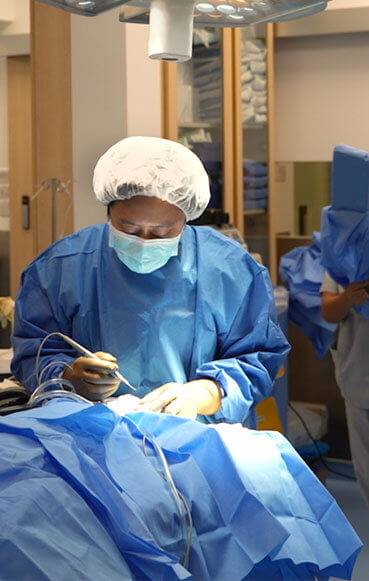
Pain management is an important part of care and may include anti-inflammatory medication or other prescribed pain relief. For unstable, displaced or joint-related fractures, orthopaedic surgery for your pet may be necessary. Surgical treatment typically involves plates, screws or pins to stabilise the bone and support proper healing.
Your veterinarian will provide detailed care instructions, including activity restrictions and signs to monitor during recovery, and will advise when follow-up visits or urgent reassessment are needed.
Acting Fast Protects Your Pet
Fracture care in pets relies on timely assessment, appropriate stabilisation and a treatment approach matched to the specific injury. With proper veterinary management and careful follow-up at home, most dogs and cats can heal well and regain normal function. Staying alert to changes in your pet’s movement and following professional guidance throughout recovery helps reduce long-term complications and supports a safe return to everyday activity.
For expert assessment and fracture repair, Advanced VetCare offers comprehensive orthopaedic care led by Dr Nicholas Woo. With experience in both non-surgical management and advanced surgical techniques, the team provides treatment plans tailored to each pet’s needs. If your dog or cat has suffered a fracture or you are concerned about a possible injury, booking an appointment early helps ensure timely care and the best possible recovery outcome.

Bedok (24 Hrs Vet Clinic)
26 Jln Pari Burong, Picardy Gardens, Singapore 488692 (Shophouse along Upper Changi Road)


Operating Hours: 24 Hours Daily
Balestier (Vet Clinic)
564A Balestier Road, Singapore 329880
Opening Hours: 9am - 9pm Daily Closed on Tuesday & Public Holidays