


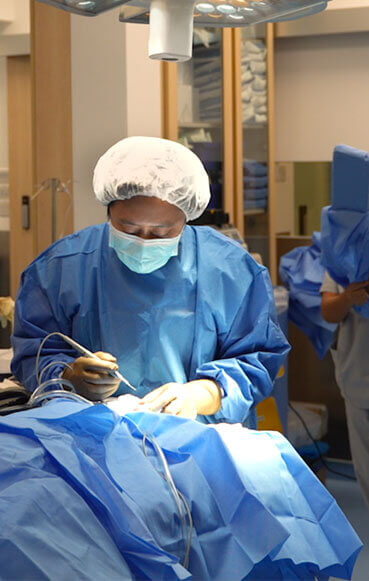


BVSc (Hons) MANZCVS (Small Animal Surgery)
When your pet is unwell, the findings from their initial assessment help determine what happens next. The vet uses this information to plan treatment and monitor your pet’s condition.
However, an equally important part of care is deciding what to do with these findings and how to recognise as your pet’s needs change and develop. A treatment recommendation may need adjusting as new findings emerge or recovery progresses. Continued veterinary involvement helps connect these decisions, so care remains appropriate to your pet’s condition rather than ending with the first consultation.
For owners, this ongoing support provides clearer guidance on what to expect, why further care may be needed and what each next step is intended to achieve.
How Does Veterinary Care Begin When Your Pet Is Unwell?
When your pet is unwell, the initial veterinary assessment aims to distinguish which possibilities need investigating and if waiting can put your pet at risk.
Initial Assessment and Diagnosis
The vet considers changes in your pet’s behaviour alongside their medical history and physical examination. Knowing whether a symptom appeared suddenly or developed gradually can help narrow the possible causes.
When further investigation is needed, tests may include:
- Blood tests: Blood testing can identify changes in blood cells and provide information about organ function.
- X-rays: These help assess bones and can reveal certain changes within the chest or abdomen.
- Ultrasound: An ultrasound examination provides a closer view of internal organs and may help investigate fluid accumulation or changes in soft tissues.
Results are interpreted together, so an initial finding may lead to a more focused investigation rather than an immediate diagnosis.
Administering Emergency Care
Certain signs are considered medical emergencies and require immediate veterinary attention because they may indicate that essential body functions are affected. These include:
- Difficulty breathing: Laboured breathing or open-mouth breathing in a cat can signal serious distress. A pet may need oxygen support before further investigations.
- Severe or persistent bleeding: Significant blood loss can reduce oxygen delivery to vital organs, even if the pet initially remains conscious.
- Collapse or loss of consciousness: These can reflect a serious problem with circulation or another critical disturbance.
- Prolonged or repeated seizures: These require urgent assessment, particularly if the pet does not recover normally between episodes.
- Straining without passing urine: A urinary blockage can cause dangerous changes in the body and requires prompt treatment.
In these situations, the veterinary team first focuses on stabilising your pet while assessing what is causing the emergency. This can involve measures such as oxygen support, pain relief, intravenous fluids or other immediate treatment depending on their condition.
Once your pet is stable enough, further assessment can continue to identify the underlying problem and determine what treatment is needed. Some pets may require hospitalisation, surgery or ongoing medical treatment, while others may be able to continue their recovery at home with medication and monitoring.
How Is Treatment Planned and Adjusted for Your Pet?
Once immediate medical emergencies have been addressed, the next stage of care is guided by what the vet has found, how your pet has responded to initial treatment and what will be needed to support their recovery.
Weighing Treatment Options for Your Pet
The first consideration is what treatment can realistically achieve. Some conditions can be resolved, while others require ongoing management to control symptoms or slow deterioration. This distinction affects whether a short course of treatment or a longer-term plan is appropriate.
The vet weighs the expected benefit against the risks. Certain existing health problems may affect your pet’s ability to tolerate treatment, making less intensive approaches ideal at times.
Suitable alternatives should be discussed with their limitations. A less invasive option may require closer reassessment or relieve symptoms without correcting the cause. Understanding these differences helps you decide on the care approach to select for your pet, and helps you account for the care they will require at home.
Assessing Your Pet’s Response to Treatment
Once treatment begins, the veterinary team assesses how your pet responds and whether the original plan remains appropriate. What they monitor will vary with the condition and treatment provided. This can include pain levels, appetite, movement, vital signs or repeat tests to check whether previously abnormal findings are improving.
Your pet’s response can also determine what happens next. If their condition is not improving as expected or new concerns develop, treatment may need to be adjusted or further assessment carried out. If they are stable and no longer require hospital care, the focus can shift towards continuing their recovery at home.
How Does Veterinary Support Continue During Recovery?
Much of your pet’s recovery may happen at home, where you will be the first to notice whether they are eating normally, moving comfortably or behaving differently. Keeping your vet updated on these changes helps them understand how your pet is recovering and whether any part of their care needs to be reviewed.
Leaving With Clear Home-Care Instructions
Before your pet goes home, your vet should explain what you need to do during their recovery. This includes when to give medication, how long it should be continued and what to do if your pet refuses a dose or vomits after taking it.
You should also know how much activity is safe. After surgery, for example, your pet may need controlled toilet walks and restrictions on running, jumping or other movements that could interfere with healing.
Just as importantly, you should know what to watch for at home. Changes such as increasing wound swelling or discharge should be reported to your vet, while signs such as difficulty breathing require immediate veterinary attention.
Using Follow-Up Visits to Guide Recovery
Follow-up checks help determine when restrictions or treatment can change. A wound may look closed while deeper tissues are still healing, so an improved appearance does not necessarily mean normal activity can resume.
The review should address the original problem. After medical treatment, this may involve repeating an abnormal blood result. Following surgery, the vet may assess healing and whether pain remains adequately controlled.
Keep brief notes of changes at home, such as reduced food intake or difficulty with a previously comfortable movement. Share concerns when they arise rather than saving them all for the next appointment. The team can advise whether to continue the existing instructions or arrange an earlier assessment.
Staying Supported Throughout Your Pet’s Care Journey
You do not have to interpret every change in your pet’s condition on your own. Sharing changes you notice at home and raising questions as they come up can help keep the veterinary team informed. In turn, their guidance can give you a clearer sense of what to monitor and whether any adjustment to your pet’s care may be needed.
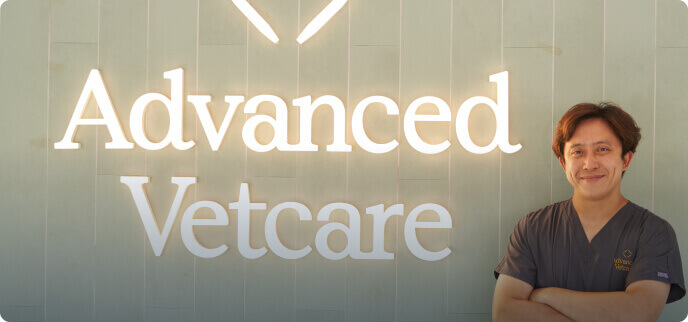
At Advanced VetCare, our veterinary team provides diagnostic and treatment services, with follow-up guidance to help you manage your pet’s care between visits. Our team, led by Consultant Vet and Surgeon Dr Nicholas Woo, helps you make informed decisions as your dog’s needs change. Contact our team to enquire about a consultation with Dr Nicholas Woo or discuss your pet’s ongoing care.
FAQs About Your Pet’s Care From Diagnosis to Recovery
Can my pet start treatment while some test results are still pending?


How is my pet’s care coordinated if different vets are involved?
How can family members coordinate my pet’s care at home?
About Us
Dr Nicholas Woo
Consultant Vet and Surgeon
BVSc (Hons) MANZCVS (Small Animal Surgery)
Dr Nicholas Woo is a consultant vet and surgeon with advanced training in small animal surgery and oncology. His clinical interests include soft tissue surgery, orthopaedics, oncology, spinal surgery, hip replacement and critical care.
In 2017, Dr Woo founded Advanced VetCare with the aim of providing accessible, high-level veterinary care supported by modern medical facilities and round-the-clock emergency services in Singapore.
Dr Woo has also presented at numerous veterinary meetings, where he shares his knowledge and experience with fellow professionals while contributing to ongoing developments in veterinary medicine.
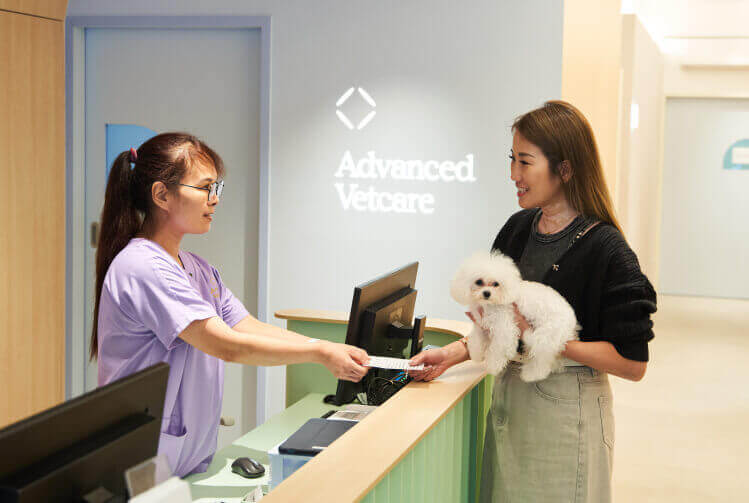
Advanced VetCare Veterinary Centre (Bedok) - 24Hrs Vet Clinic
26 Jln Pari Burong, Picardy Gardens, Singapore 488692 (Shophouse along Upper Changi Road)


Operating Hours: 24 Hours Daily
Advanced VetCare Veterinary Centre (Balestier)
564A Balestier Road, Singapore 329880
Opening Hours: 9am - 9pm Daily Closed on Tuesday & Public Holidays
Advanced Vetcare Veterinary Centre (Outram)
283 Outram Road, Singapore 169068 (Shophouse near Tiong Bahru)
Opening Hours: 9am - 9pm Daily Closed on Monday & Public Holidays