







BVSc (Hons) MANZCVS (Small Animal Surgery)
Learning that your dog or cat needs surgery can be stressful. It is natural to wonder how safe the surgery will be and what precautions will be taken to protect your pet. While no surgery is entirely without risk, your veterinary surgeon will assess factors that could affect the anaesthesia, procedure and recovery before developing a surgical plan around your pet's individual health needs.
Understanding how surgical risk is assessed and how these findings guide the precautions taken may help you feel more informed and at ease before your pet's procedure.
What Does a Veterinarian Evaluate Before Surgery?
A pet's surgical plan is guided by their current health, medical history and the requirements of the procedure. These factors help the veterinary team determine whether further tests or precautions are needed before proceeding.
Current Health
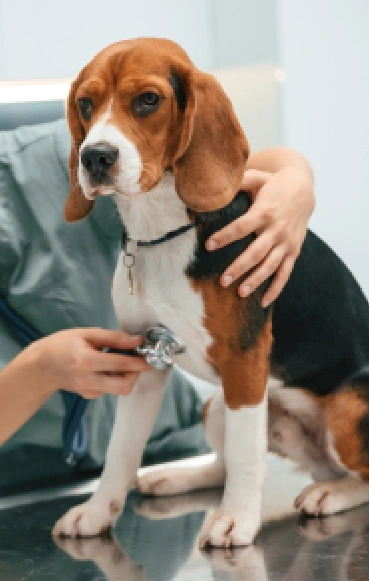
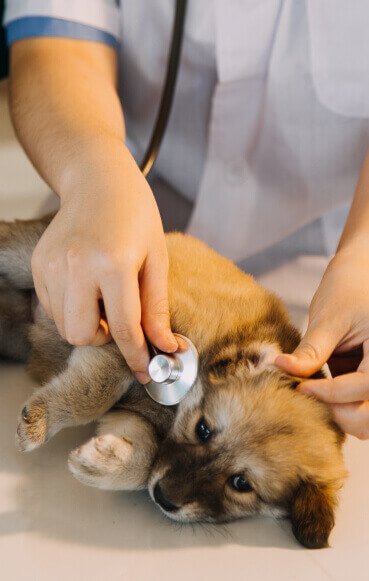
A physical examination helps identify concerns that could affect surgery or anaesthesia. The veterinarian may listen to your pet's heart and lungs, check for signs of illness or infection and record their weight and body condition. Any abnormal findings may require further assessment or treatment before surgery.
Medical History
Your veterinarian will review previous illnesses, surgeries and reactions to anaesthesia, as well as current medications, allergies and ongoing medical conditions. Recent changes in behaviour, appetite or activity may also indicate a change in health that needs to be considered.
Type and Complexity of Surgery
The surgical site, complexity and expected duration of the procedure can affect the level of preparation required. The veterinary team will also consider the anticipated pain, potential blood loss and recovery needs when planning the anaesthesia, monitoring and aftercare.
What Tests May Be Recommended Before Surgery?
After reviewing your pet's health, medical history and planned procedure, the veterinarian may recommend tests to obtain more information about specific risks. The type and extent of testing will depend on factors such as your pet's age, examination findings, existing conditions and the surgery required.
Blood Tests
Blood tests commonly assess:
- Red and white blood cell counts
- Liver and kidney markers
- Blood glucose
- Electrolyte levels
These results provide information about blood cells, glucose and electrolyte levels and markers of liver and kidney function. Any abnormalities may require further assessment or changes to the surgical or anaesthetic plan.
Additional Tests When Needed
Urine tests, blood pressure measurement, X-rays, ultrasound examinations or heart assessments may be recommended when the initial assessment identifies a relevant concern. These tests provide more targeted information and help the veterinary team plan suitable precautions for the procedure.
How Does the Assessment Shape Your Pet's Surgical Care?
The assessment helps the veterinarian decide whether surgery should proceed and what precautions may be needed before, during and after the procedure. A higher level of risk does not automatically rule out surgery, but it may change the timing or approach.
Deciding How to Proceed
Depending on the findings, surgery may proceed as planned or the veterinarian may recommend further tests, treat an existing health concern or modify the surgical or anaesthetic approach. An elective procedure may be postponed until the pet's condition has improved.
For urgent procedures, the risks of delaying treatment must also be considered. The veterinarian will weigh the urgency of surgery against your pet's current condition when recommending how to proceed.
Adapting Anaesthesia and Monitoring
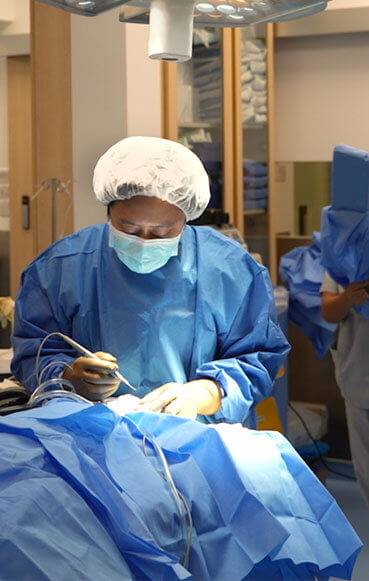
The anaesthetic and pain-management plans, along with the level of monitoring, can be tailored to your pet's health, body weight and surgical needs. During the procedure, the veterinary team monitors heart rate, blood pressure, oxygen levels, breathing and body temperature so that changes can be recognised and managed.
Planning Recovery and Aftercare
The assessment also helps determine the support and observation your pet may require during recovery. Once your pet is ready for discharge, the veterinary team will provide instructions on medication, activity restriction, wound care and clinical signs that require attention.
What Should You Discuss With Your Vet Before Surgery?
Before your pet undergoes surgery, your veterinarian should explain why the procedure has been recommended, how it may benefit your pet and which risks need to be considered. They should also explain how your pet's health and test results have influenced the decision to proceed.
You may also wish to ask about the proposed anaesthesia, pain management and monitoring, as well as the expected hospital stay and recovery period. Understanding what could cause the procedure to be modified or postponed can also help you prepare for different outcomes.
A clear discussion gives you the opportunity to raise concerns and understand what to expect before, during and after your pet's surgery.
Surgical Care and Pre-Planning With Dr Nicholas Woo
Like human patients, every animal has unique health considerations, which is why surgical planning begins well before the day of the procedure. Although no surgical procedure is completely without risk, a thorough assessment can identify concerns that may affect the surgery, anaesthesia or recovery and allow appropriate precautions to be planned.
At Advanced VetCare, Dr Nicholas Woo draws on his training in small animal surgery and experience in oncology and critical care when assessing pets for surgery. He considers the pet's health, test results and surgical needs when planning the procedure, anaesthesia, monitoring and recovery care.
If surgery has been recommended for your pet, get in touch with our team today to discuss what you can expect throughout your pet's care.
Frequently Asked Questions (FAQs) About Veterinary Surgery Planning
What happens if my pet becomes unwell shortly before the scheduled surgery?


Why does my pet need repeat blood tests if previous results were normal?
Can my pet have surgery without general anaesthesia?
About Us
Dr Nicholas Woo
Consultant Vet and Surgeon
BVSc (Hons) MANZCVS (Small Animal Surgery)
Dr Nicholas Woo is a consultant vet and surgeon with advanced training in small animal surgery and oncology. His clinical interests include soft tissue surgery, orthopaedics, oncology, spinal surgery, hip replacement and critical care.
In 2017, Dr Woo founded Advanced VetCare with the aim of providing accessible, high-level veterinary care supported by modern medical facilities and round-the-clock emergency services in Singapore.
Dr Woo has also presented at numerous veterinary meetings, where he shares his knowledge and experience with fellow professionals while contributing to ongoing developments in veterinary medicine.

Advanced VetCare Veterinary Centre (Bedok) - 24Hrs Vet Clinic
26 Jln Pari Burong, Picardy Gardens, Singapore 488692 (Shophouse along Upper Changi Road)


Operating Hours: 24 Hours Daily
Advanced VetCare Veterinary Centre (Balestier)
564A Balestier Road, Singapore 329880
Opening Hours: 9am - 9pm Daily Closed on Tuesday & Public Holidays
Advanced Vetcare Veterinary Centre (Outram)
283 Outram Road, Singapore 169068 (Shophouse near Tiong Bahru)
Opening Hours: 9am - 9pm Daily Closed on Monday & Public Holidays