






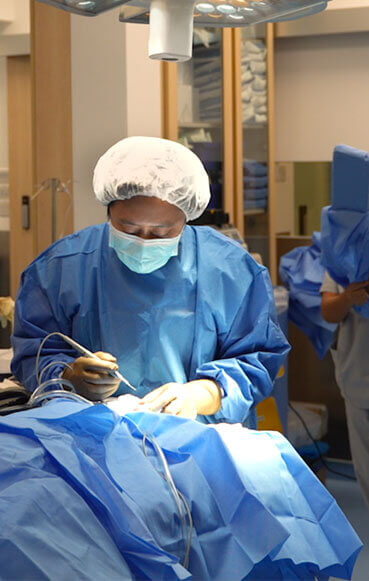


BVSc (Hons) MANZCVS (Small Animal Surgery)
A dog's blood test can reveal important information about their overall health, from the condition of their blood cells to how well their organs are functioning. It can help veterinarians detect signs of anaemia, infection, inflammation and problems affecting the liver, kidneys or blood sugar levels, sometimes before noticeable symptoms develop.
Blood tests are commonly performed during routine health checks, when a dog is unwell or before certain veterinary procedures. Depending on the tests ordered, the results provide different insights into your dog's health and help your vet identify abnormalities that may require attention.
Understanding what these tests measure and what their findings can indicate can help you better appreciate their role in assessing and managing your dog's health.
What Does a Complete Blood Count Reveal About a Dog's Health?
A complete blood count (CBC) measures your dog's red blood cells, white blood cells and platelets. Each has a particular role, and changes in their numbers or characteristics can provide clues about your dog's health.
Red Blood Cells
Red blood cells carry oxygen throughout your dog's body. A CBC measures the red blood cell count, haemoglobin levels and haematocrit, which is the proportion of blood made up of red blood cells.
Low readings can indicate anaemia, which may develop due to blood loss, increased destruction of red blood cells or reduced production. Higher readings can sometimes occur when your dog is dehydrated, as there is less fluid in the bloodstream.
White Blood Cells
White blood cells help your dog's body respond to infections and inflammation. A CBC measures the overall white blood cell count and the different types present, such as neutrophils and lymphocytes.
An increase in certain white blood cells can indicate an inflammatory response, including one caused by infection. Lower counts may occur with some infections or conditions affecting blood cell production.
Platelets
Platelets are small blood components that help form clots to stop bleeding after an injury. A CBC measures their numbers to identify potential problems with this part of the clotting process.
A low platelet count can increase the risk of abnormal bleeding, which is particularly relevant if your dog has unexplained bruising or is being assessed before surgery. If the reading appears unusually low, your vet may also examine a blood smear to check whether platelets have clumped together in the sample.
What Can Blood Tests Reveal About Your Dog's Organ Function and Health?
A blood biochemistry profile measures enzymes, minerals and other substances associated with organ function and the body's chemical balance. Common measurements include:
Liver Problems
Blood tests measure liver-related enzymes such as alanine aminotransferase (ALT) and alkaline phosphatase (ALP). Elevated ALT levels can indicate liver cell damage, while increased ALP may be associated with changes in bile flow, certain medications or hormonal conditions.
These findings can help your vet identify possible liver problems, although further assessment may be needed to determine their cause.
Kidney Problems
Urea and creatinine are waste products that the kidneys normally filter from the blood. When kidney filtration is impaired, these substances can accumulate in the bloodstream.
Elevated levels may indicate kidney disease, but they can also occur with dehydration or urinary obstruction. Your vet may assess these readings alongside urine test results to better understand your dog's kidney function.
Blood Sugar Abnormalities
Blood glucose measurements show how much sugar is circulating in your dog's bloodstream. Persistently elevated levels may indicate diabetes mellitus, particularly when accompanied by increased thirst, frequent urination or unexplained weight loss.
Low blood glucose levels can occur with certain hormonal disorders, severe liver disease or other illnesses that affect the body's ability to maintain normal blood sugar levels.
Electrolyte Imbalances
Blood tests measure electrolytes such as sodium, potassium and chloride, which help regulate fluid balance and support normal nerve and muscle function.
Abnormal levels may occur with dehydration, kidney disease, gastrointestinal fluid loss or hormonal disorders. Significant potassium imbalances are particularly important because they can interfere with normal heart rhythm.
Abnormal Blood Protein Levels
A blood biochemistry profile also measures proteins such as albumin and globulins. Albumin helps retain fluid within blood vessels, while globulins include proteins involved in immune defence.
Low albumin levels may indicate reduced protein production by the liver or excessive protein loss through the kidneys or digestive tract. Elevated globulin levels can occur with chronic inflammation, infections or certain immune-related conditions, while increased albumin may suggest dehydration.
How Can Blood Test Results Guide Your Dog's Care?
Blood test results provide information that can help your vet make decisions about your dog's care, from identifying possible health problems to monitoring treatment and preparing for medical procedures.
Identifying Health Problems
When blood tests reveal abnormalities, your vet can use the findings to narrow down possible causes of your dog's symptoms. For example, a low red blood cell count may prompt further assessment for blood loss or anaemia, while changes in liver enzymes may indicate a need to examine the liver more closely.
Depending on the findings, your vet may recommend additional tests, such as urine analysis or diagnostic imaging, to better understand the underlying problem and determine appropriate treatment.
Monitoring Existing Conditions and Treatment
For dogs with existing health conditions, repeat blood tests can help track changes over time. For example, dogs with kidney disease may undergo regular testing to monitor kidney-related markers and electrolyte levels, while dogs receiving certain long-term medications may need blood tests to check for adverse effects.
Comparing results across visits helps your vet assess how your dog is responding to treatment and whether adjustments to their care are needed.
Assessing Health Before Anaesthesia
Blood tests are often recommended before procedures requiring general anaesthesia, particularly for older dogs or those with existing health concerns. They can identify abnormalities such as anaemia, electrolyte imbalances or changes in kidney and liver markers that may affect anaesthetic planning.
Depending on the results, your vet may adjust the anaesthetic protocol, address an underlying problem or recommend postponing an elective procedure until your dog's condition has been assessed further.
Get Clarity on Your Dog's Blood Test Results With Dr Nicholas Woo
Blood tests can provide valuable insights into your dog's health, helping identify potential problems early, investigate symptoms and monitor existing conditions. These findings can help your vet determine what may be affecting your dog and what steps are needed to manage their health.
At Advanced VetCare, a vet clinic in Singapore, our veterinary team uses in-house blood testing and diagnostic facilities to investigate health concerns and guide decisions about your dog's treatment and ongoing care. Led by founder and consultant vet and surgeon Dr Nicholas Woo, the team can assess your dog's results alongside their symptoms and medical history to determine whether further tests, treatment or monitoring are appropriate.
If you would like to have your dog's blood test results reviewed or arrange testing, contact our clinic to arrange a consultation.
Frequently Asked Questions (FAQs) About Canine Blood Testing
Does my dog need to fast before a blood test?


How is blood collected from a dog?
How long does it take to get my dog's blood test results?
Can blood tests detect heartworm or tick-borne infections in dogs?
Meet Our Veterinarian
Dr Nicholas Woo
Consultant Vet and Surgeon
BVSc (Hons) MANZCVS (Small Animal Surgery)
Dr Nicholas Woo is a consultant vet and surgeon with advanced training in small animal surgery and oncology. His clinical interests include soft tissue surgery, orthopaedics, oncology, spinal surgery, hip replacement and critical care.
In 2017, Dr Woo founded Advanced VetCare with the aim of providing accessible, high-level veterinary care supported by modern medical facilities and round-the-clock emergency services in Singapore.
Dr Woo has also presented at numerous veterinary meetings, where he shares his knowledge and experience with fellow professionals while contributing to ongoing developments in veterinary medicine.

Advanced VetCare Veterinary Centre (Bedok) - 24Hrs Vet Clinic
26 Jln Pari Burong, Picardy Gardens, Singapore 488692 (Shophouse along Upper Changi Road)


Operating Hours: 24 Hours Daily
Advanced VetCare Veterinary Centre (Balestier)
564A Balestier Road, Singapore 329880
Opening Hours: 9am - 9pm Daily Closed on Tuesday & Public Holidays
Advanced Vetcare Veterinary Centre (Outram)
283 Outram Road, Singapore 169068 (Shophouse near Tiong Bahru)
Opening Hours: 9am - 9pm Daily Closed on Monday & Public Holidays