








BVSc (Hons), MANZCVS (Small Animal Surgery)
Bringing a new puppy home is an exciting milestone, filled with moments that shape their early development and well-being. Among the first responsibilities of puppy ownership is arranging their initial veterinary visit, an important step in protecting their long-term health.
For many owners, this first appointment can feel unfamiliar. Knowing what typically takes place helps reduce uncertainty and allows you to approach the visit with confidence. From early health checks to preventive care, the first vet visit plays a key role in supporting your puppy during this vulnerable stage of growth. A calm, well-prepared first experience helps your puppy build positive associations with veterinary care, laying the foundation for a lifetime of healthy habits.
Booking and Preparing for Your Puppy’s Appointment
Most veterinarians recommend scheduling your puppy’s first vet visit between six and eight weeks of age. At this stage, a puppy’s developing immune system is no longer fully supported by the natural antibodies from their mother’s milk, making early veterinary care especially important.
This initial appointment allows for a comprehensive health assessment. Your vet will carry out a full physical examination, check for early concerns such as parasites or congenital conditions, and begin your puppy’s routine vaccination schedule. Timely attention at this stage sets the foundation for long-term health and preventive care.
Preparing for the visit itself is straightforward. Veterinary teams are experienced in handling young puppies and will guide you through the process. Your main responsibility is to bring the right information and a few familiar items to help your puppy feel at ease.
What to bring to your puppy’s first vet visit:
- Essential Records: Gather any available documents, including adoption or breeder records and any previous deworming or vaccination documents (if applicable).
- Comfort Items: Bring a small toy or familiar blanket to place in the waiting area or exam room to provide a sense of security.
- High-Value Treats: Pack some tasty, small treats to reward your puppy immediately for calm behaviour or successful handling during the exam.
- Safe Transport (Optional): If you are commuting, use a crate to ensure safe travels and minimise exposure to outside stress.
Additional tip: Start gentle handling and crate familiarisation at home before the appointment. This helps your puppy associate the experience with something positive, making the first vet visit feel more like an adventure than a source of stress.
What Happens During Your Puppy’s First Vet Visit
A puppy’s first vet visit is designed to be calm, thorough, and focused on preventive care. Understanding what happens during the appointment can help you support your puppy and make the experience more positive from the start.
Settling in before the appointment begins
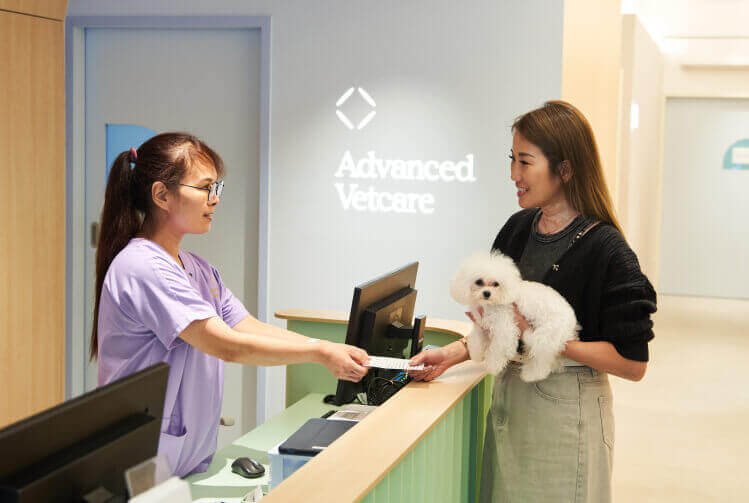
The time spent in the clinic before your puppy is called in can influence how the rest of the visit feels. Puppies benefit from being kept close and under control, either on a lead or in a carrier, as veterinary clinics often have unfamiliar sounds, smells, and other animals present. Giving your puppy space from other pets and avoiding overstimulation helps them stay calm while waiting.
Supporting your puppy during the examination
For many puppies, being placed on an examination table is a new experience. Remaining calm and reassuring can help your puppy feel more secure. Vets use gentle handling techniques, and positive reinforcement, such as small treats, can be helpful if your puppy responds well to food rewards. This approach supports confidence during health checks.
What the vet assesses during the first visit
The first vet visit focuses on understanding your puppy’s overall health while identifying any early issues that may need attention. It is a more detailed assessment designed to provide a baseline for future visits and support healthy growth as your puppy develops.
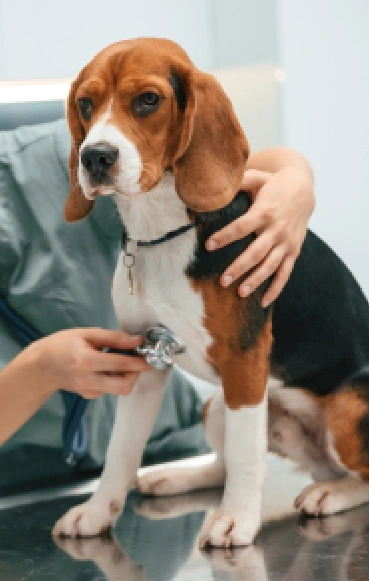
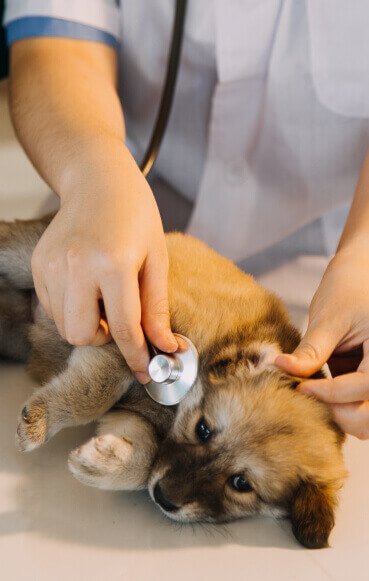
During the appointment, your vet will conduct a general physical examination and record basic health measurements such as weight and temperature. They will assess the heart, lungs, mouth, skin, and coat, looking for signs of infection, parasites, or developmental concerns.
Your vet will also update your puppy’s medical record and discuss vaccinations, parasite prevention, feeding, and any breed-related considerations. If further clarification is needed, additional tests such as a pet ultrasound or an animal CT scan may be recommended.
Microchipping and future care planning
If identification has not yet been arranged, your vet may recommend microchipping during the first visit. This simple procedure provides a permanent form of identification and is widely used to help reunite lost dogs with their owners, supporting long-term safety and care planning.
The first visit is also a good time to discuss future sterilisation. While the procedure is not performed at this stage, your vet can advise on appropriate timing, health considerations, and how sterilisation may affect your puppy as they mature.
Questions Worth Asking During the First Vet Visit
A puppy’s first vet visit covers a lot of information, and many recommendations vary depending on factors such as breed, size, age, and lifestyle. Preparing a short list of questions can help you understand the advice given and ensure it is tailored to your puppy’s specific needs.
- How often should I schedule follow-up checkups?
- What type of food is most appropriate for my puppy’s breed and size?
- How many meals should my puppy have per day?
- When should my puppy transition to adult dog food?
- Are supplements or vitamins necessary at this stage?
- What puppy deworming schedule do you recommend?
- How much do puppy vaccinations usually cost?
- Over the first year, what do puppy vet visits typically cost?
Writing these questions down helps you keep track of important guidance and supports clearer planning for your puppy’s ongoing care.
A Healthy Start For Your Puppy Begins with Advanced VetCare
Your puppy’s first vet visit plays an important role in supporting their long-term health and development. Early check-ups, preventive care, and clear guidance help establish healthy routines while allowing potential issues to be identified before they become more serious. Choosing a veterinary clinic you trust and attending regular check-ups gives your puppy the best possible start.
At Advanced Vetcare, each visit is approached with care, patience, and attention to your puppy’s comfort. Led by Dr Nicholas Woo, the team focuses on providing clear advice and gentle handling to help puppies feel safe from their very first appointment. Book your puppy’s wellness check-up today and give them a healthy, happy start in life with guidance you can trust and care designed around their needs.
Bedok (24 Hrs Vet Clinic)
26 Jln Pari Burong, Picardy Gardens, Singapore 488692 (Shophouse along Upper Changi Road)


Operating Hours: 24 Hours Daily
Balestier (Vet Clinic)
564A Balestier Road, Singapore 329880
Opening Hours: 9am - 9pm Daily Closed on Tuesday & Public Holidays