





BVSc (Hons) MANZCVS (Small Animal Surgery)
Heart disease in dogs does not always require surgery. Many cardiac conditions can be managed with medication or regular monitoring, while others may benefit from surgery to improve heart function or correct certain structural abnormalities.
Understanding when heart surgery may be recommended and what to expect before, during and after treatment can help you make informed decisions about your dog's care. This article explains the heart conditions that may require surgery, the procedures that may be performed and what to expect before and after treatment.
What Heart Conditions May Require Surgery?
Not all heart conditions in dogs require surgery. The most appropriate treatment depends on the type and severity of the condition, as well as its effect on your dog's heart function and overall health. While many acquired heart diseases can be managed with medication, some dogs may benefit from procedural treatment. Depending on the underlying condition, this may involve traditional surgery or minimally invasive catheter-based interventions, such as transcatheter edge-to-edge repair (TEER), where appropriate.
Some heart conditions that may require surgery include:
| Heart Condition | How Surgery May Help |
|---|---|
| Patent ductus arteriosus (PDA) | Closes the abnormal blood vessel to restore more normal blood flow and reduce strain on the heart. |
| Pulmonic stenosis | Balloon valvuloplasty may be performed to widen the narrowed heart valve and improve blood flow. |
| Certain heart rhythm disorders | Dogs with specific arrhythmias may benefit from pacemaker implantation to regulate the heart's rhythm. |
| Pericardial disease | Surgery may be recommended in selected cases to remove part or all of the pericardium if recurrent fluid build-up affects heart function. |
| Selected cardiac tumours | Surgery may be considered for some heart tumours, depending on their location, size and whether removal is considered feasible. |
Not every dog with these conditions will require surgery. The decision depends on each dog's individual condition, overall health and expected response to heart disease treatment.
How Is It Decided Whether a Dog Needs Heart Surgery?
Heart surgery is only recommended after a thorough assessment to determine whether it is likely to provide meaningful benefit for your dog. The aim is to determine whether surgery is likely to improve heart function, quality of life or long-term prognosis, while carefully considering the potential risks and expected outcome.
Your veterinary team may consider factors such as:
- The type of heart condition: Some congenital heart defects and structural abnormalities can be corrected or improved with surgery, while others are managed more effectively with medication.
- The severity of the condition: Surgery may be considered when the condition significantly affects blood flow, heart function or your dog's quality of life.
- Your dog's overall health: Age, existing medical conditions and general fitness all influence whether your dog is a suitable candidate for anaesthesia and surgery.
- Diagnostic findings: Tests such as echocardiography, chest X-rays and electrocardiography (ECG) help assess the structure and function of the heart before treatment is recommended.
Types of Heart Surgery for Dogs
The procedure recommended depends on your dog's underlying heart condition. Some procedures aim to correct congenital abnormalities, while others are performed to improve heart function or manage complications associated with certain cardiac diseases.
Depending on the underlying heart condition, the following procedures may be recommended:
| Procedure | Purpose |
|---|---|
| Patent ductus arteriosus (PDA) ligation | Closes the abnormal blood vessel to restore more normal blood circulation and reduce strain on the heart. |
| Balloon valvuloplasty | Widens a narrowed heart valve, most commonly in dogs with pulmonic stenosis, to improve blood flow. |
| Pacemaker implantation | Helps regulate the heartbeat in dogs with certain heart rhythm disorders. |
| Pericardiectomy | Removes part or all of the sac surrounding the heart to treat recurrent fluid accumulation that interferes with heart function. |
| Cardiac tumour surgery | May be considered in selected cases where removing a heart tumour is feasible and appropriate. |
Not all procedures are suitable for every dog. The most appropriate approach depends on the specific heart condition, your dog's overall health and the expected benefits of surgery.
What to Expect Before and After Heart Surgery
Every dog undergoes a thorough assessment before heart surgery, followed by close monitoring during recovery. Understanding what happens at each stage can help you prepare for your dog's treatment and recovery.
Before Heart Surgery
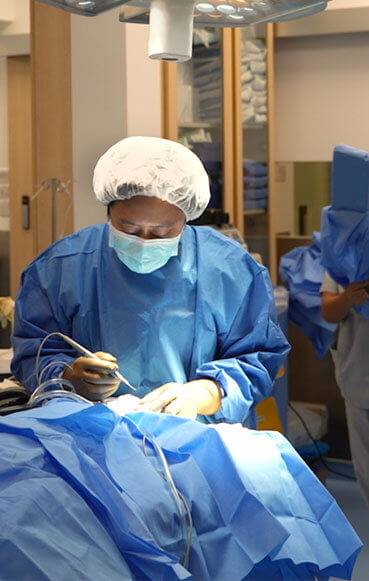
Before heart surgery, your dog will undergo a comprehensive assessment to confirm the diagnosis and determine whether surgery is the most appropriate treatment. Depending on your dog's condition, this may include blood tests, echocardiography, chest X-rays, electrocardiography (ECG) or other investigations to evaluate heart function and overall health.
During Hospitalisation
Following surgery, your dog will be closely monitored while recovering from anaesthesia. The length of hospitalisation varies depending on the procedure performed, your dog's condition and their progress during the initial recovery period.
Recovery at Home
Once your dog returns home, your veterinary team will provide instructions on caring for the surgical site, administering prescribed medications and restricting activity during recovery.
Follow-up appointments are important to monitor healing and assess heart function. As your dog recovers, your veterinary team will advise when they can gradually return to normal activities. Some dogs recover fully after surgery, while others may require ongoing medication, regular cardiac monitoring or lifestyle adjustments depending on their underlying heart condition
Advanced Cardiac Care for Dogs with Dr Nicholas Woo
A diagnosis of heart disease can be overwhelming, particularly when surgery is being considered. Having the right veterinary team to guide you through the decision-making process can help you better understand your dog's condition and the treatment options available.
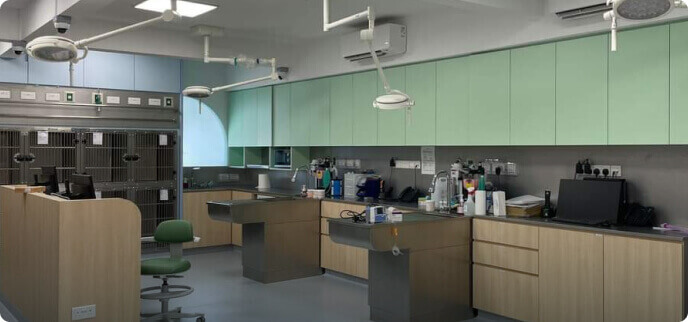
At Advanced Vetcare, we provide comprehensive assessment, advanced diagnostic imaging and surgical management for dogs with selected cardiac conditions. Our multidisciplinary team works closely with pet owners to explain the diagnosis, discuss appropriate treatment options and provide coordinated care throughout the treatment and recovery process.
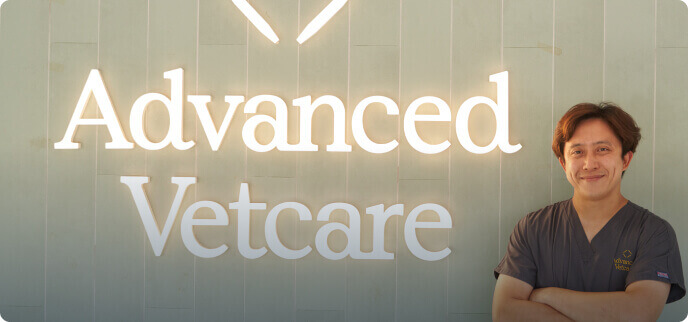
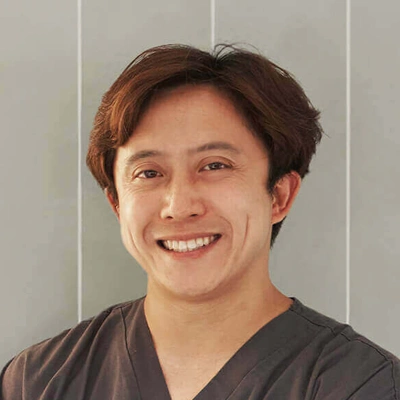
Dr Nicholas Woo, consultant veterinarian and surgeon with a special interest in small animal surgery and oncology, has extensive experience managing complex surgical conditions in dogs and works closely with the team to provide coordinated care for patients requiring advanced treatment. Every treatment plan is tailored to your dog's individual condition, with careful consideration given to both their immediate recovery and long-term quality of life.
If your dog has been diagnosed with a heart condition or referred for further assessment, arrange a consultation to discuss the most appropriate treatment options.
Meet Our Veterinary Specialist in Singapore
Dr Nicholas Woo
Consultant Vet and Surgeon
BVSc (Hons) MANZCVS (Small Animal Surgery)
Dr Nicholas Woo is a consultant vet and surgeon with a strong passion for animal care. Dr Woo has undergone specialised training in small animal surgery and oncology under renowned veterinary specialists, equipping him with experience in managing complex surgical and medical cases. His clinical interests include advanced soft tissue surgery, animal orthopaedics, oncological care, hip replacement, spinal surgery and critical care management.
In 2017, Dr Woo founded Advanced Vetcare with the aim of providing accessible, high-level veterinary care supported by modern medical facilities and round-the-clock emergency services.
Dr Woo has also presented at numerous veterinary meetings, where he shares his knowledge and experience with fellow professionals while contributing to ongoing developments in veterinary medicine.
FAQs About the Heart Surgery for Dogs
Is heart surgery safe for older dogs?


When should I seek a second opinion about heart surgery for my dog?
What happens if heart surgery is not successful?
Can I choose not to proceed with heart surgery for my dog?
Advanced VetCare Veterinary Centre (Bedok) - 24Hrs Vet Clinic
26 Jln Pari Burong, Picardy Gardens, Singapore 488692 (Shophouse along Upper Changi Road)


Operating Hours: 24 Hours Daily
Advanced VetCare Veterinary Centre (Balestier)
564A Balestier Road, Singapore 329880
Opening Hours: 9am - 9pm Daily Closed on Tuesday & Public Holidays
Advanced Vetcare Veterinary Centre (Outram)
283 Outram Road, Singapore 169068 (Shophouse near Tiong Bahru)
Opening Hours: 9am - 9pm Daily Closed on Monday & Public Holidays